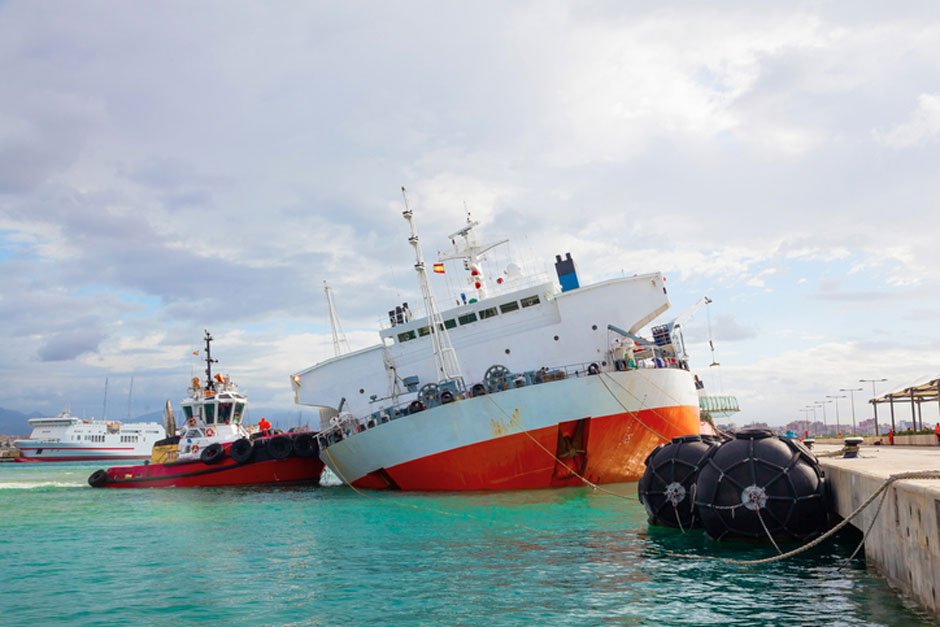
 Offshore accidents are widely recognized as some of the most catastrophic workplace events imaginable. When explosions, massive equipment failures, or vessel collisions happen at sea, emergency medical help is not minutes away, but often hours. Workers can suffer life-changing harm that alters their ability to earn a living and function in their daily lives.
Survivors frequently face an uphill battle against well-funded maritime companies and insurance giants who may attempt to deny accountability or minimize payouts. These corporations often have teams of attorneys working immediately to protect their profits rather than the wellbeing of the injured crew.
That is where specialized legal counsel becomes indispensable for the victim. Understanding the full scope of maritime injury lawyer duties is essential for workers who need someone to investigate dangerous conditions, prove liability under complex federal laws, and secure long-term financial support.
Investigating What Went Wrong Offshore
The first critical step in rebuilding a case is determining exactly how the accident occurred, which is rarely straightforward in an offshore environment. Maritime lawyers deploy teams of experts to the vessel or rig to preserve evidence before it disappears or is repaired.
They review maintenance logs, safety meeting records, and crew manifestos to identify patterns of negligence or ignored safety protocols. Often, what looks like a freak accident is actually the result of years of deferred maintenance or a corporate culture that prioritized speed over safety.
This investigation delves deep into the chain of command to see who authorized dangerous operations. Lawyers interview crew members, often uncovering that workers were pressured to work in unsafe weather or with defective equipment. Uncovering these facts is the foundation of a successful claim.
Standing Up Against Powerful Corporate Defendants
Maritime companies are often massive entities with significant resources dedicated to defending against liability claims. They frequently attempt to limit their liability using ancient maritime statutes, such as the Limitation of Liability Act, which can cap damages at the post-accident value of the vessel.
A skilled attorney aggressively challenges these legal maneuvers to ensure that the compensation cap is lifted or deemed inapplicable. They fight to ensure that the case is heard in a jurisdiction that is favorable to the injured worker rather than one chosen by the employer.
Furthermore, lawyers handle all communication with the insurance adjusters who are trained to manipulate vulnerable workers into accepting low settlements. By serving as a shield between the victim and the corporation, the attorney prevents the worker from making statements that could damage their case.
Compensation That Reflects Long-Term Harm
The financial impact of a serious offshore injury extends far beyond the immediate hospital bills. Maritime lawyers work with medical and economic experts to calculate the total lifetime cost of the injury, including future surgeries, rehabilitation, and permanent disability accommodations.
They also analyze the loss of future earning capacity, which is substantial for offshore workers who typically earn high wages. If a worker can no longer return to the sea, the compensation must bridge the gap between their maritime salary and what they can earn in a land-based job.
Additionally, attorneys pursue damages for non-economic losses such as pain and suffering, mental anguish, and loss of enjoyment of life. These damages acknowledge the human cost of the trauma and are often the largest component of a verdict or settlement in severe injury cases.
Supporting Workers Through Recovery & Return to Life
Legal advocacy in the maritime sector is holistic, often helping clients navigate the practical challenges of recovery while the case is pending. Lawyers can help ensure that maintenance and cure payments, which cover daily living expenses and medical bills, are paid promptly and fully.
They often assist clients in finding top-tier medical specialists who understand the specific nature of maritime injuries. This ensures that the worker receives the best possible care to maximize their physical recovery, rather than just the cheapest option approved by the company.
Beyond the financial and medical aspects, a compassionate legal team provides emotional support and guidance during a time of immense uncertainty. They give workers and their families a sense of control and hope, knowing that a dedicated professional is fighting for their future.
Conclusion Advocacy Designed for Extreme-Risk Work
The aftermath of an offshore disaster is a chaotic and frightening time for workers and their families. The physical pain is often compounded by the fear of financial ruin and the intimidation tactics of large corporations.
Specialized maritime attorneys level the playing field, providing the expertise and resources necessary to hold negligent companies accountable. Their work ensures that the legal system functions as a safety net for those who risk their lives to fuel the global economy.
Ultimately, these lawyers do more than just win lawsuits; they secure the resources that allow injured workers to rebuild their lives with dignity. They transform a devastating accident into a manageable future, ensuring that justice is served on land for what happened at sea.