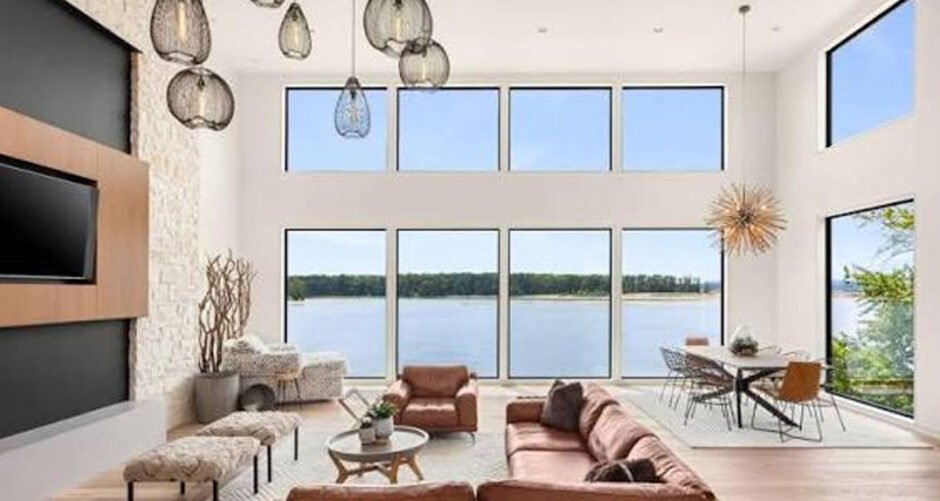
Waterfront homes offer something deeply emotional: light, views, calm, and a strong connection to nature. Effective staging should highlight these qualities without overwhelming them. The goal is to help buyers imagine a refined lifestyle that feels effortless, comfortable, and grounded in the setting.
Because waterfront properties often carry premium expectations, every design choice matters. Scale, texture, color, and sightlines should work together. Thoughtful presentation can make rooms feel larger, views more dramatic, and outdoor areas more useful throughout the day.
Why Waterfront Staging Requires a Different Approach
Staging a waterfront property is different from preparing a standard home. The view is often the main feature, so furnishings should frame it rather than compete with it. Window treatments, seating placement, and artwork all need careful consideration.
Moisture, glare, and changing natural light also affect how interiors look. Materials should feel polished but practical. Soft neutrals, layered textiles, natural fibers, and subtle reflective finishes often work well because they support the water-facing environment.
Design Priorities for a Premium Waterfront Listing
For high-value listings, luxury real estate staging focuses on creating a lifestyle narrative. Buyers should understand how each space supports relaxation, entertaining, privacy, and everyday comfort. The presentation should feel elevated without appearing overly formal.
- Arrange seating to capture the strongest water or landscape views.
- Use low-profile furniture where sightlines are important.
- Choose calm colors inspired by stone, sand, sky, and wood.
- Layer lighting so rooms feel warm after sunset.
- Keep surfaces edited to maintain a sense of openness.
Making the View the Main Feature
The best waterfront staging begins with the windows. Furniture should invite buyers to pause, sit, and look outward. Avoid tall pieces that block glass walls or create visual weight near the view. Simplicity helps buyers focus on what makes the property rare.
Mirrors can be useful when placed carefully, but they should not create glare or distraction. Art should feel sophisticated and quiet. Large, busy pieces can weaken the natural drama of the water and reduce the sense of calm.
Creating Indoor and Outdoor Continuity
Waterfront properties often depend on a smooth transition between indoor and outdoor living. Staging should make terraces, decks, balconies, and covered seating areas feel like true extensions of the home. Each area should have a clear purpose.
Outdoor furniture should be properly scaled and arranged for conversation, dining, or lounging. Cushions, planters, lanterns, and textured accents can add warmth. The look should remain clean, durable, and consistent with the interior design language.
Entertaining Areas
Many waterfront buyers imagine hosting. Dining spaces, lounge zones, and kitchens should support that vision. A staged dining table does not need to feel elaborate. Clean place settings, balanced proportions, and comfortable spacing can suggest hospitality without appearing staged for show.
Private Retreats
Bedrooms should feel peaceful, especially when they face the water. Soft bedding, layered rugs, and gentle lighting create comfort. If a primary suite includes a seating area, it should be arranged to emphasize morning light, privacy, and quiet views.
Balancing Luxury with Livability
Luxury is not only about expensive-looking pieces. It is about restraint, proportion, and quality. A waterfront home should feel easy to live in, not overly decorated. Buyers respond to spaces that feel beautiful, functional, and ready for real life.
Details matter. Fresh linens, tailored upholstery, clean glass, polished hardware, and well-scaled accessories all contribute to a refined impression. Small inconsistencies can stand out in premium properties, especially when natural light is strong.
Common Staging Mistakes to Avoid
Overdecorating is one of the most common mistakes. Too many accessories can make a waterfront home feel smaller and distract from the view. Heavy furniture, dark rugs, and crowded layouts can also reduce the sense of openness buyers expect.
- Do not block windows with oversized furniture.
- Avoid strong color themes that compete with the setting.
- Keep nautical references subtle rather than literal.
- Use outdoor spaces as functional rooms, not storage areas.
- Check how rooms photograph at different times of day.
Presentation Standards in Competitive Luxury Markets
In competitive property environments, NYC staging principles can be useful because they emphasize space planning, visual clarity, and buyer psychology. Waterfront homes benefit from the same disciplined approach, with added attention to views, light, and lifestyle flow.
The strongest presentations feel intentional from the entry to the water-facing areas. Buyers should sense a consistent experience as they move through the home. Each room should answer a practical question while also supporting the emotional appeal of the setting.
How Thoughtful Staging Supports Buyer Perception
Waterfront buyers often compare properties quickly. Staging helps clarify value by showing how rooms function and how the location enhances daily living. When the design feels calm, cohesive, and well-scaled, buyers can focus on the property’s strengths.
A well-staged waterfront home does not need to be dramatic. It needs to feel balanced, memorable, and aligned with the lifestyle buyers are seeking. With careful planning, luxury real estate staging can turn impressive views into a complete and compelling living experience.