A landscape that never stops evolving
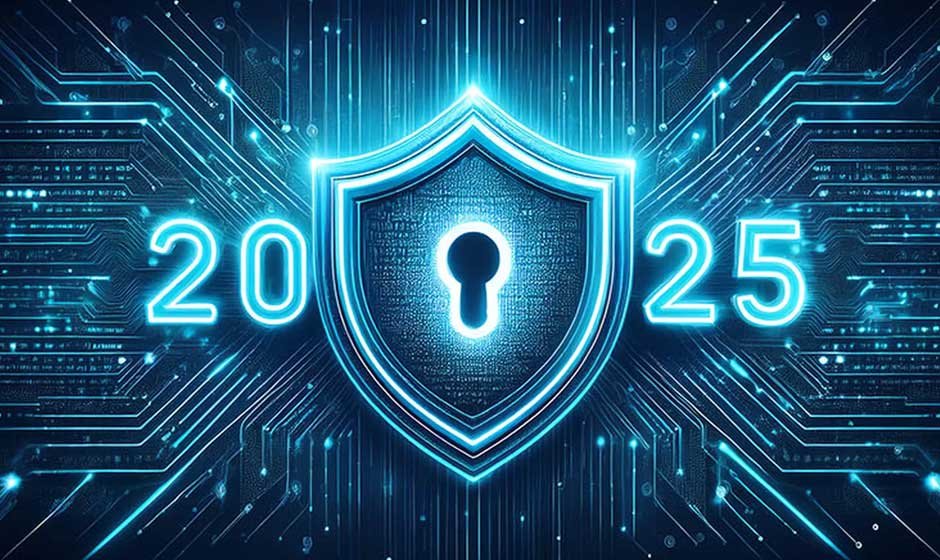
The digital world is evolving faster than ever, and with every leap in technology comes a new wave of security challenges. From artificial intelligence to cloud computing and connected devices, innovation brings convenience but also creates new entry points for attackers. Businesses of all sizes must stay alert to these new cyberthreats, which are becoming increasingly complex and unpredictable. According to Europol’s Internet Organised Crime Threat Assessment, cybercriminals now operate with the sophistication of legitimate companies, adapting strategies, using automation and even selling stolen data as a service. In this shifting environment, preparation is no longer optional; it is essential.
Small businesses, big targets
While large corporations make headlines when breaches occur, small and medium enterprises are often the easiest targets. They handle valuable customer information but may lack dedicated security teams or clear recovery plans. Attackers exploit this gap, using phishing, ransomware and identity theft to cause maximum damage. Yet with the right strategy, even a small company can build strong digital resilience. Regular updates, limited user permissions and clear response protocols form the first line of defence. The goal is not to eliminate every risk but to reduce the chances of disruption and make recovery faster when issues occur.
Technology that strengthens defence
Modern protection requires more than antivirus software. Businesses must think in terms of ecosystems rather than individual tools. A business password manager, for example, provides a secure and organised way to manage employee credentials. It reduces the likelihood of password reuse and helps administrators control access with precision. Combined with endpoint security, firewalls and data encryption, it forms part of a broader network of defences that evolve alongside technology. Cloud-based systems can now detect unusual behaviour in real time, allowing companies to react before damage spreads. The more integrated the approach, the stronger the shield.
People at the heart of cybersecurity
Even the best systems depend on the people who use them. Training employees to recognise fake emails, suspicious links and unusual requests can prevent more breaches than any single piece of software. Cybersecurity awareness should be an ongoing conversation rather than a one-time presentation. Encouraging employees to report potential risks without fear of blame builds a proactive culture of safety. As technology continues to transform, the companies that thrive will be those that balance innovation with caution. Adapting to constant change is not about fear of progress but about ensuring that every step forward is secure. The future of business depends on learning to evolve as quickly as the threats that surround it.