With the shift toward energy efficiency and sustainability, heat pumps are becoming an increasingly popular choice for homeowners seeking practical solutions for both heating and cooling needs. Whether you are upgrading an older system or building a new home, understanding the installation process will help you maximize your investment and comfort. Before you begin, it is worth exploring options for Brampton heat pump installation to ensure you receive professional support and guidance locally. Choosing the right system and having it professionally installed can significantly impact energy savings and indoor climate comfort.
This comprehensive guide breaks down everything you need to know, from understanding how heat pumps work to assessing your home’s compatibility and planning for costs. By gaining insights into the installation process, you can make confident decisions and enjoy improved comfort year-round.
Understanding Heat Pumps
At the core of heat pump technology is the ability to draw heat from one area and transfer it to another, operating similarly to a refrigerator, but on a larger scale for buildings. During colder months, a heat pump extracts heat from external air or the ground and moves it indoors. Conversely, in the summer, the system reverses to expel heat outdoors, effectively cooling your home. This dual functionality makes a heat pump an efficient, year-round climate solution.
Heat pumps appeal to eco-conscious homeowners because they use electricity to transfer heat rather than to generate it directly. This can result in lower greenhouse gas emissions and lower utility costs than traditional furnaces or air conditioners, especially in regions with a mild or moderate climate. For more detailed background information on how different heat pumps operate, visit Energy.gov’s heat pump systems guide.
Assessing Home Suitability
Not all homes are immediately ready for heat pump installation. An evaluation of your home’s insulation and existing heating system is the essential first step. Homes with well-sealed windows, adequate wall insulation, and minimal air leaks hold temperature more efficiently, making heat pump systems particularly effective. Underfloor heating systems or properly sized radiators also optimize heat distribution for even comfort throughout the space.
Additionally, you need clear, accessible locations both inside and outside your home to accommodate the necessary units. Outdoor components require solid placement away from obstructions, while indoor handlers must be positioned to circulate air efficiently. Professional installers can help you assess whether your infrastructure is compatible and recommend adjustments if needed.
Government incentives, such as rebates or zero-interest financing programs, are available in many regions to help offset the costs of upgrading insulation or switching to more efficient heating systems. Checking these options early can further enhance your project’s return.
Choosing the Right Type of Heat Pump
The effectiveness of a heat pump system depends significantly on choosing the most appropriate type for your climate and home design. The most common types include:
Air Source Heat Pumps: These extract heat from the outside air, making them suitable for most homes in moderate climates.
Ground Source (Geothermal) Heat Pumps: These use underground pipes to harness geothermal energy. While they have higher upfront costs, they offer greater efficiency and lower long-term operating costs, especially in areas with extreme temperatures.
Ductless Mini-Split Heat Pumps: Ideal for homes without ductwork, these systems offer flexibility and easy installation in specific rooms or zones.
Working with a licensed HVAC professional ensures you receive a thorough assessment for your specific needs and receive guidance on selecting the right system size, configuration, and features.
Installation Process Overview
Professional heat pump installation typically follows a structured sequence:
Initial Consultation and Site Assessment: An expert evaluates your home’s heating and cooling requirements, insulation levels, layout, and other factors.
System Design and Planning: Based on the assessment, the installer customizes your system’s design for the best efficiency and performance.
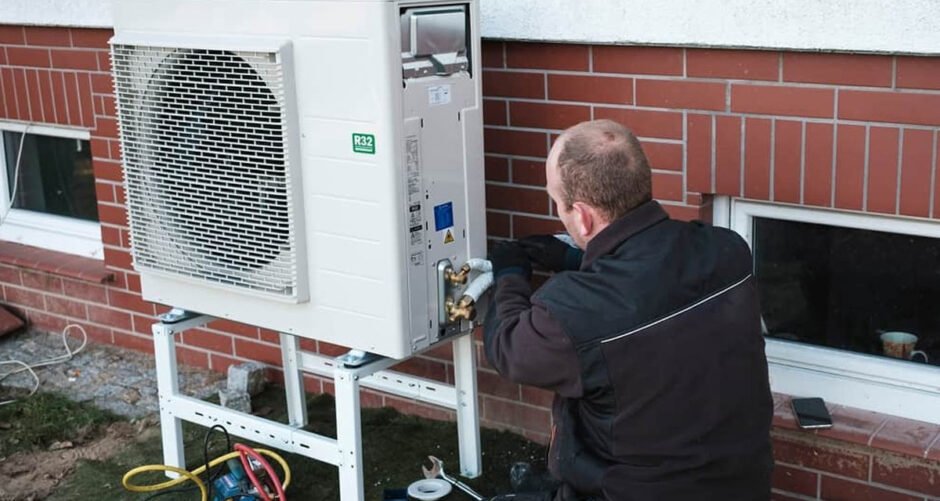
Equipment Installation: Technicians place and connect the indoor unit(s) and outdoor compressor. This stage also involves connecting refrigerant lines, electrical wiring, and integrating the system with your existing ductwork or emitters.
System Testing and Commissioning: After installation, the team tests the entire system for leaks, checks refrigerant pressure, reviews airflow, and ensures the controls are fully functional.
Depending on the complexity and the home’s readiness, this entire process can take anywhere from one day for ductless units to several days for larger or more involved installations. For a more detailed step-by-step guide, you can refer to this industry installation guide from ACHR News.
Cost Considerations
The cost of installing a heat pump varies based on several key factors, including system type, home size, local climate, and any required electrical or structural upgrades. For instance, in areas like San Mateo County, costs typically range from $4,000 to $8,000 for a complete system, including labor and materials. Ground-source systems are generally more expensive due to the cost of drilling and installing pipes.
It is smart to request multiple quotes from licensed contractors and factor in not only the installation price but also potential long-term savings from lower energy bills and available rebates or incentives. Local or national energy programs may reimburse homeowners for part of their investment, particularly if the new system dramatically improves energy efficiency.
Maintenance and Upkeep
Routine maintenance is crucial for sustaining peak efficiency and maximizing the system’s lifespan. Most maintenance tasks are straightforward, such as cleaning or replacing air filters and ensuring vents remain clear of obstructions. However, annual professional checkups are recommended to inspect refrigerant levels, electrical connections, and overall system health.
Well-maintained systems have fewer breakdowns, deliver consistent comfort, and continue to save you money on utility bills over time. Neglecting upkeep can lead to reduced efficiency or even costly repairs.
Benefits of Professional Installation
While DIY installation might seem tempting, enlisting experienced HVAC professionals is essential for several reasons. Professionals ensure that every step meets regional safety codes, maximize system efficiency, and prevent common installation errors that could result in poor performance or voided warranties.
Moreover, reputable contractors provide valuable post-installation support, including guidance on operating your new system optimally and ensuring compliance with warranty requirements. Their expertise helps you make the most of your investment while ensuring your home remains safe and comfortable for years to come.
Conclusion
Installing a heat pump is a strategic investment that pays off in year-round comfort and lower energy expenses. By thoroughly researching your options, evaluating your home’s readiness, and working with trusted professionals, you set the stage for efficient operation and reliable performance. Leverage available incentives to boost affordability, and remember to prioritize regular maintenance for lasting benefits from your new heat pump system.