Engaging Introduction
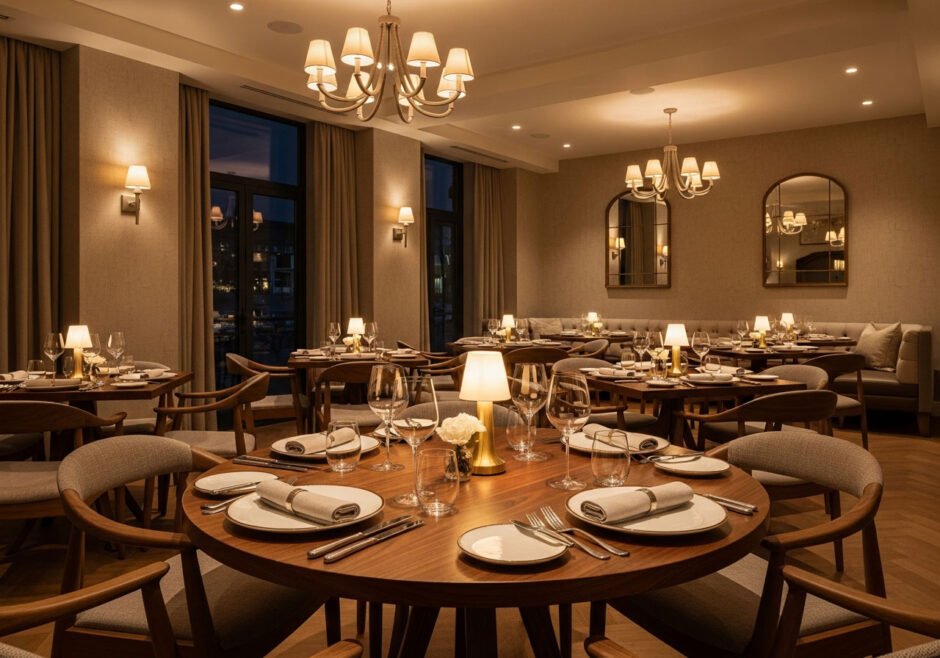
A restaurant’s ambiance can be every bit as influential as its menu. From the moment guests step through the door, sensory details—lighting, layout, color, furniture—shape their first impression and quietly determine whether they’ll come back. For diners, a thoughtfully designed space transforms a meal into a genuine experience. For owners, it builds the kind of loyalty that no marketing campaign can manufacture. Choosing the right dinning tables lays the foundation for comfortable seating arrangements that invite guests to linger, but ambiance is ultimately a layered conversation between every element in the room.
The Role of Layout in Guiding Guest Flow
A well-planned floor layout strikes a balance between privacy, accessibility, and easy movement. Congestion near the entrance frustrates guests before they’ve even sat down, while seating that feels too isolated can come across as unwelcoming. Effective zoning divides the space into three functional areas: a greeting zone near the entrance, a central dining area for general seating, and quieter corners reserved for more intimate gatherings.
A few key layout principles worth keeping in mind:
– Maintain at least 18–24 inches between table edges to allow guests and staff to move comfortably
– Use low partitions or planters to define zones without fully closing them off
– In casual cafes, open floor plans naturally encourage social energy; upscale bistros benefit from more deliberate spacing that signals exclusivity
Lighting Strategies to Set the Mood
Lighting does more heavy lifting than most designers give it credit for. Ambient lighting sets the overall tone, task lighting ensures menus are actually readable, and accent lighting draws the eye toward artwork or interesting architectural details.
Key Takeaway: Warm-toned bulbs (2700K–3000K) create intimacy in fine dining settings; cooler, brighter options (4000K+) work well in family-friendly environments. Installing dimmers lets a single space shift from a lively lunch atmosphere to a relaxed dinner mood without any structural changes.
Layering all three types gives operators the flexibility to adapt throughout the day without touching a single piece of furniture.
Color Psychology and Its Influence on Appetite
Color has a surprisingly powerful effect on how guests feel—and how long they choose to stay. Hospitality design research consistently shows that warm reds stimulate appetite and energy, while cooler tones promote relaxation. Selecting a palette that aligns with your restaurant’s identity and target audience isn’t just an aesthetic decision; it’s a strategic one.
| Color | Emotional Effect | Best For
|
| Warm Reds | Energizing, appetite-boosting | Fast-casual eateries |
| Earthy Greens | Refreshing, healthy vibe | Farm-to-table spots |
| Soft Neutrals | Versatile, understated | All-day diners |
Furniture Selection for Comfort and Functionality
Aesthetics matter, but restaurant furniture also has to be durable, ergonomic, and adaptable. Chairs with proper lumbar support encourage guests to settle in and stay longer, while modular tables give staff the flexibility to reconfigure seating during peak hours. Furniture choices should also echo the lighting and color palette, reinforcing a cohesive visual language throughout the space rather than feeling like an afterthought.
Incorporating Textures and Acoustics for Sensory Depth
Noise is one of the most commonly overlooked ambiance disruptors. Hard surfaces amplify sound; soft materials absorb it. Strategic use of upholstered seating, fabric wall panels, and area rugs can significantly reduce ambient noise without sacrificing style. Acoustic panels disguised as decorative art installations are a particularly clever solution in open-plan spaces. Pairing rough-hewn wood with soft textiles, for example, balances tactile interest with practical sound control—a combination that works as well visually as it does acoustically.
Personal Touches and Theming for Unique Identity
Subtle personalization—local artwork, potted plants, branded ceramics—connects guests to the restaurant’s story in a way that a generic interior simply can’t. These elements don’t need to be elaborate; even a carefully chosen selection of plants can reinforce a farm-to-table concept. Seasonal refreshes keep the space feeling current while preserving the consistent, recognizable identity that guests come to associate with the brand.
Maintenance Practices to Sustain Ambiance Long-Term
Even the most beautifully designed space will deteriorate without consistent upkeep. A straightforward routine protects the investment:
- Wipe down furniture daily and inspect for wear on a weekly basis
- Check for and replace burnt-out or flickering bulbs promptly
- Conduct a full ambiance audit each quarter, assessing layout, cleanliness, and sensory elements together
Bringing It All Together: Crafting Your Signature Space
Great restaurant ambiance isn’t the result of a single inspired decision—it’s the sum of intentional choices made across layout, lighting, color, furniture, texture, and personal detail. When these elements work in harmony, they create an environment guests genuinely want to return to. Try walking through your own space as a first-time visitor would. Identify one element that could be stronger, and let that single change become the starting point for a more memorable dining experience.