The Middle East energy storage market is experiencing rapid expansion driven by Saudi Arabia’s “Vision 2030”. With the region targeting over 150 GWh of capacity by 2030, the 2026 market is witnessing explosive demand.
However, the desert is a relentless testing ground. Extreme heat (exceeding 50°C), abrasive sandstorms, and structurally weak grids demand more than just batteries; they require sophisticated thermal management and grid-forming capabilities.
This article evaluates how Sungrow maintains its edge against Huawei, BYD, Deye, Solis, and Sigenergy across the three pillars of energy storage: utility-scale, C&I, and residential.
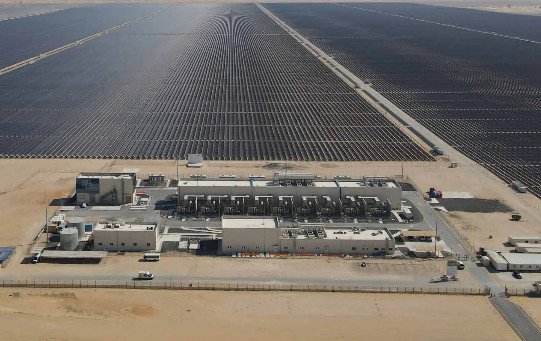
Utility-Scale Storage – Grid Support
Desert power grids are inherently fragile, with a low short-circuit ratio (SCR) and limited inertia. Utility-scale energy storage must evolve from grid-following to grid-forming to actively stabilize voltage and frequency—a technical necessity that separates true system integrators from battery suppliers.
Sungrow
Sungrow leads the sector with its PowerTitan 2.0 integrated liquid-cooling architecture. A key technical advantage is its proven Virtual Synchronous Machine (VSM) technology, which allows maintaining system stability under ultra-low Short Circuit Ratio (SCR) conditions as low as 1.0.
This capability is a critical threshold for ensuring reliability in remote desert regions where the grid is at its weakest.
Its execution track record reinforces this technical edge. For a landmark 7.8 GWh project in Saudi Arabia, Sungrow delivered over 1,500 units in 58 days and achieved full grid connection shortly thereafter, demonstrating both technical robustness and industrial-scale mobilization.
Huawei
Huawei offers a differentiated approach with string-based architecture and AI-powered energy management, excelling in fine-grained scheduling and O&M.
However, its installed base in the Middle East’s GWh-level utility projects currently trails Sungrow, particularly in black-start and grid-forming field performance.
BYD
BYD’s MC Cube series leverages in-house LFP cell production to deliver highly competitive CAPEX. Yet BYD remains primarily a battery cell supplier; it lags behind Sungrow in complex grid-integration expertise, turnkey system engineering, and local EPC support—gaps that become critical when grids fail.
C&I Energy Storage
In markets like Dubai and Abu Dhabi, high electricity tariffs and large peak–valley price differentials create strong C&I storage economics. But space is extremely expensive, safety standards are stringent, and ambient temperatures regularly exceed 50°C, pushing thermal management to its limits.
Sungrow
Sungrow PowerStack series employs full liquid cooling to maintain full-power operation at 50°C, avoiding thermal derating that plagues air-cooled rivals.
AI-driven O&M algorithms proactively detect anomalies, reducing downtime losses. The result is 15–20% higher annual usable energy compared to conventional air-cooling solutions, significantly shortening IRR payback periods.
Deye and Solis
Deye and Solis leverage established inverter channel networks to penetrate price-sensitive segments, with widespread deployment in small-to-medium C&I projects.
However, under Middle Eastern extreme heat, many of their air-cooled or simple liquid-cooled units risk thermal protection shutdowns, undermining revenue predictability.
Sigenergy
Sigenergy focuses on high integration and digital experience, growing rapidly in Australia and Europe. As a relatively young brand, it lacks long-term field data and a full-scale Middle East service network, making it a riskier choice for mission-critical C&I assets.
Residential Energy Storage
The Middle East residential market, particularly villa districts in Saudi Arabia, the UAE, and Qatar, has relatively low price sensitivity but extremely high demands for aesthetics, quiet operation, safety, and seamless off-grid functionality. Frequent grid fluctuations mean residential users expect UPS-grade switching.
Sungrow
Sungrow has a strong brand built through years of overseas presence. Its milliseconds-range off-grid switching meets true UPS demands, critical for protecting home electronics during grid disturbances. Direct-owned after-sales service in key Gulf states ensures rapid response—a decisive advantage when a household loses power.
Deye
Deye is the value-for-money leader, popular in price-sensitive markets like South Africa and Lebanon. However, brand premium remains weak in wealthy Gulf states. After-sales relies heavily on local distributors, with limited factory-direct service, creating inconsistent support quality.
Huawei
Huawei offers a mature Luna battery ecosystem with excellent smart home integration and strong brand recognition. Policy risks in certain overseas markets, however, have made some distributors and end-users cautious.
Solis
Solis produces established inverters with stable core performance. But unlike Sungrow, it lacks completeness as a total solution—smart meter integration, generator compatibility, and advanced EMS features are less mature.
Conclusion – The Full-Scenario Partner
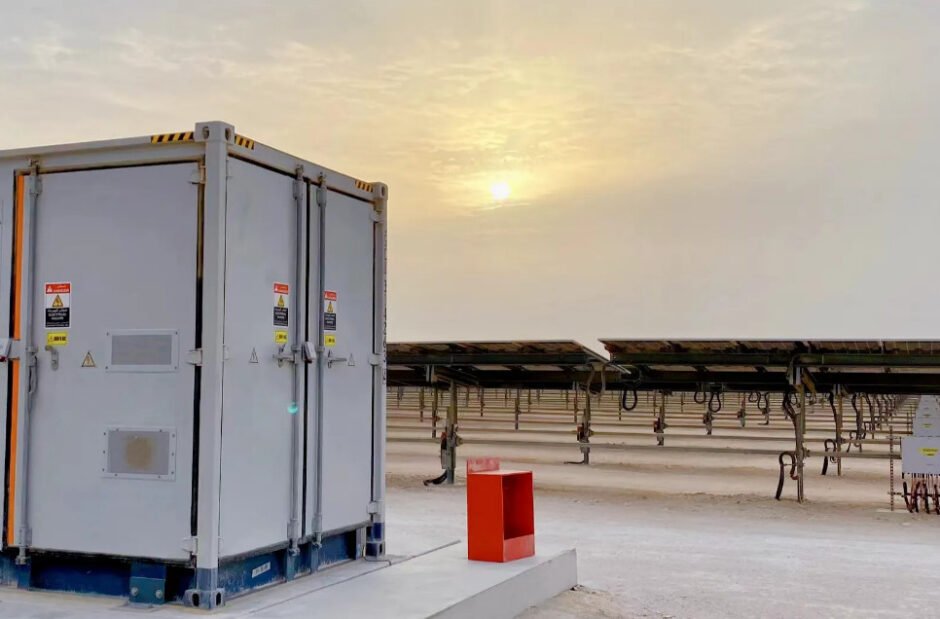
Today, the Middle East energy storage market has moved beyond simple hardware sales to a demand for systemic reliability and grid intelligence.
While Huawei leads in software aesthetics, BYD in cell costs, and Deye in affordability, Sungrow emerges as the “Full-Scenario Optimal Solution.”
By combining record-breaking utility experience (7.8 GWh project), industry-leading thermal management (PowerStack liquid cooling), and a premium, service-backed residential offering, Sungrow addresses the unique desert challenges of the Middle East better than any other supplier.
For both investors and homeowners, Sungrow offers a highly reliable and technically mature pathway toward energy autonomy.