Planning a Masai Mara safari feels overwhelming at first. There are so many choices — lodges, timing, conservancies, activities — that most travelers end up either overpaying for generic packages or missing the experiences that actually matter. This guide breaks down how to build an itinerary that works.
Start With Timing, Not Accommodations
Most people start safari planning by browsing lodges. That’s backwards.
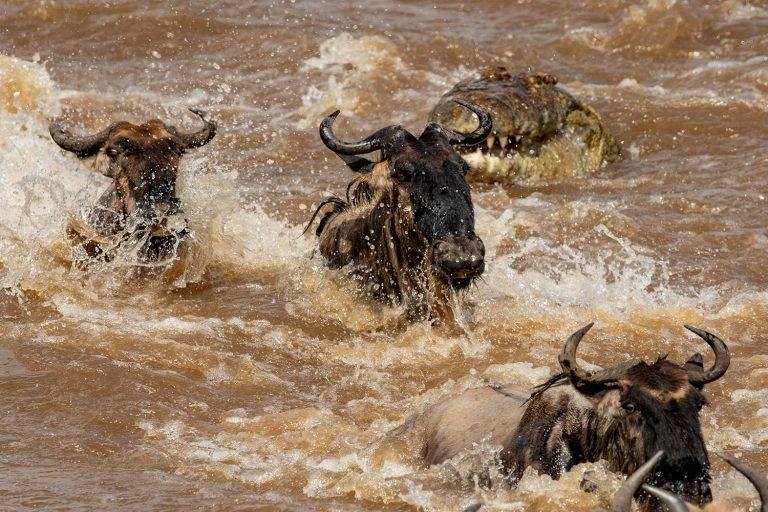
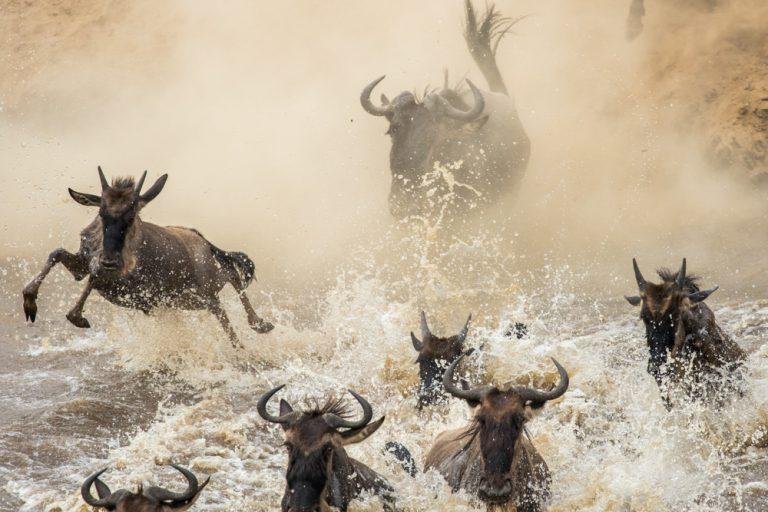
The Masai Mara changes dramatically throughout the year. July through October brings the Great Migration — roughly 1.5 million wildebeest and hundreds of thousands of zebras crossing from Tanzania’s Serengeti. It’s spectacular. It’s also crowded. Really crowded. During peak migration season, you might find yourself in a queue of fifteen safari vehicles all angled toward the same river crossing.
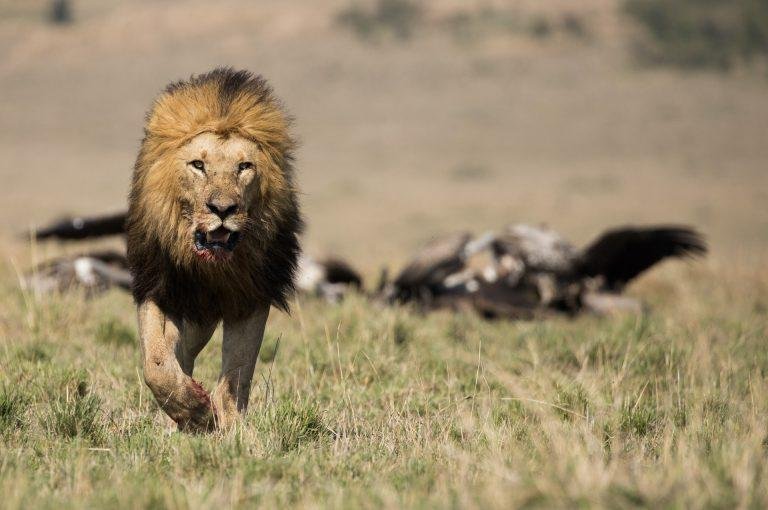
November through February offers something different. Fewer crowds. Lower prices (sometimes 40-50% less). The landscape turns green after the short rains. And surprisingly, predator sightings can actually improve — lions and cheetahs prefer hunting in shorter grass.
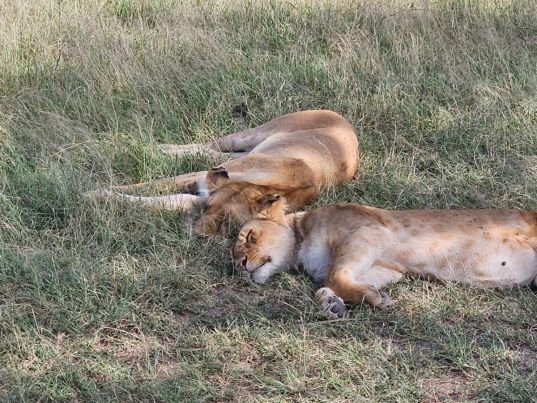
The wet season from March to June has its own appeal. Big cats avoid soggy grass and often sleep on the roads, which sounds inconvenient until you realize this puts them incredibly close to vehicles. A friend of mine — Joseph Kimani, who’s been guiding for over ten years — once told me that his best leopard sightings have been during April rains.
The downside? Some roads become impassable. Lodges offer steep discounts because they know conditions are unpredictable.
The Conservancy Question
Here’s something most Masai Mara safari itinerary guides won’t tell you clearly: the public reserve and the private conservancies are different experiences.
The main Masai Mara National Reserve is government-managed. It’s where the famous Mara River crossings happen. Entry fees as of 2026 are steep — USD 200 per person for a 12-hour period (non-residents). The reserve gets busy, particularly at crossing points and around popular lodges like Keekorok.
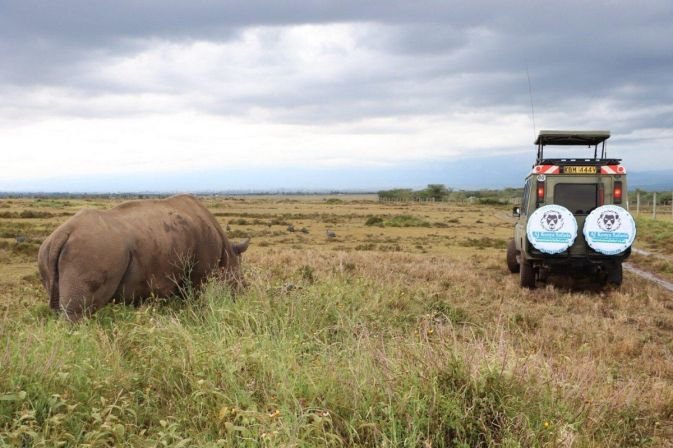
Private conservancies — places like Olare Motorogi, Naboisho, Mara North — charge their own fees but limit the number of visitors. You get fewer vehicles per sighting. Guides can drive off-road here. Night drives and walking safaris are permitted, neither of which are allowed in the main reserve.
The trade-off? If the migration crossing is your primary goal, you need reserve access. Some conservancies border the reserve and include day passes; others don’t.
For a balanced 2026 Masai Mara safari, I’d suggest splitting time: two nights in a conservancy for intimate game viewing, then one or two nights near the reserve for migration access.
Building Your Days
A common mistake is cramming too much into each day. Game drives typically run from around 6:00 AM until 9:30 AM (morning) and 3:30 PM until sunset (afternoon). The midday hours are for resting — both you and the animals.
One experience worth the early wake-up: a hot air balloon safari. You’ll pay roughly USD 450-500 per person, which sounds excessive until you’re floating silently over a sea of wildebeest as the sun rises. Champagne breakfast afterward feels earned.
If balloon safaris aren’t in the budget, bush breakfasts offer a grounded alternative. Some camps set up tables in the middle of the savannah, complete with tablecloths and eggs cooked on-site. The absurdity of fine dining while zebras graze nearby is part of the charm.
What Most Guides Won’t Mention
The smell is the first thing that hits you. Not unpleasant — earthy, grassy, with notes of dung and dust. By day two, you stop noticing. By day three, you miss it when you return to Nairobi’s diesel fumes.
Mornings in the Mara are genuinely cold. We’re talking 12-15°C (mid-50s Fahrenheit). Pack layers. The safari vehicles have open roofs and the wind cuts through cotton. By 10 AM, you’ll be peeling off fleece and reaching for sunscreen.
Tsetse flies cluster in certain forested areas. They bite through light fabric. Some locals swear that dark blue and black attract them; others dismiss this as myth. Either way, the bites itch for days. Long sleeves and insect repellent help.
Connecting the Dots: Nairobi First
Most international flights land at Jomo Kenyatta International Airport in Nairobi. If you have a full day before your Mara transfer, Nairobi National Park offers something unique — game viewing with the city skyline as a backdrop. Lions, rhinos, giraffes, all within 30 minutes of downtown.
Entry to Nairobi National Park costs USD 80 for non-residents Via Ectizen. It makes a reasonable warm-up before the main event.
From Nairobi, you have two options for reaching the Mara: road (5-6 hours through the Rift Valley) or a 45-minute bush flight from Wilson Airport. Road transfers are cheaper and include scenery — the escarpment views are dramatic — but six hours on bumpy roads exhausts some travelers before the safari even begins.
A Realistic Budget
Let’s talk numbers. For a mid-range Masai Mara safari package in 2026, expect to pay roughly:
- Budget (basic camps, shared vehicles): USD 200-350 per person per day
- Mid-range (comfortable lodges, private vehicle): USD 400-600 per person per day
- Luxury (premier camps, all-inclusive): USD 800-1,200+ per person per day
These prices typically include accommodation, meals, game drives, and park/conservancy fees. They usually exclude international flights, balloon safaris, tips, and alcohol.
For detailed pricing and expert safari guides, several Kenyan operators specialize in custom itineraries. Sites like masaimara.co.ke and masaimarasafari.travel offer solid planning resources.
When Things Go Wrong
Not every safari delivers. A couple I know saved for three years, flew to Kenya during peak migration season, and saw exactly zero river crossings. The wildebeest were there — just not crossing. Animals don’t perform on schedule.
Weather can disrupt plans too. A sudden downpour might cancel an afternoon game drive or ground balloon flights. Roads flood. Vehicles get stuck. These things happen even with good operators.
The best advice? Extend your trip if possible. Three days in the Mara gives you flexibility. Two days feels rushed and leaves no margin for bad luck.
Making It Personal
Generic itineraries miss the point. Do you care more about photography (longer waits at sightings, golden hour positioning) or variety (hitting multiple areas, checking boxes)? Are you traveling with kids (shorter drives, pool time at lodges) or on a honeymoon (privacy, sundowners)?
Good operators ask these questions. Great operators remember your answers throughout the trip.
When you’re ready to start planning, reach out to specialists who know the terrain. Booking a Masai Mara safari through experienced local guides makes the difference between a standard trip and something memorable.
The Masai Mara isn’t a checklist. It’s a place that rewards patience, timing, and a willingness to let the bush dictate the agenda. Build your itinerary with that in mind, and 2026 might just deliver the safari you’ve been imagining.