Finding the right shade for Halo hair extensions makes all the difference between a natural style and one that looks mismatched. Many people focus only on the basic color label, like blonde, brown, or black, but undertones, lighting, and even hair texture all play a real role in how seamless the final look appears. The perfect shade blends smoothly with natural hair from roots to ends, matching both tone and depth for a flawless finish.
Accurate color matching helps Halo extensions look like a natural extension of one’s own hair rather than a separate layer. Natural light reveals the true color, so photos or comparisons under daylight give the best results. Even small shade differences can create a subtle dimension that adds life and movement to the hairstyle.
This guide explains key steps to color matching and shows how to choose and blend the ideal Halo extensions. It helps anyone understand what affects shade accuracy and how to make the Halo look effortless and real.
Steps to Color-Matching Halo Hair Extensions
Accurate color matching depends on noticing small differences in shade, light, and tone. Paying attention to natural undertones, highlights, and how light changes the appearance helps achieve a seamless and balanced result.
Assessing Your Natural Hair Color and Undertones
The base color and undertone of natural hair decide which extension shade fits best. Hair may show warm (gold, copper, red), cool (ash, beige, blue), or neutral undertones. Matching these tones prevents visible lines where the hair meets the extension.
To identify undertones, hold a white cloth behind the hair under daylight. Hair that reflects golden or red hues has warm tones, while gray or bluish hues signal cool tones. Neutral tones fall between those two.
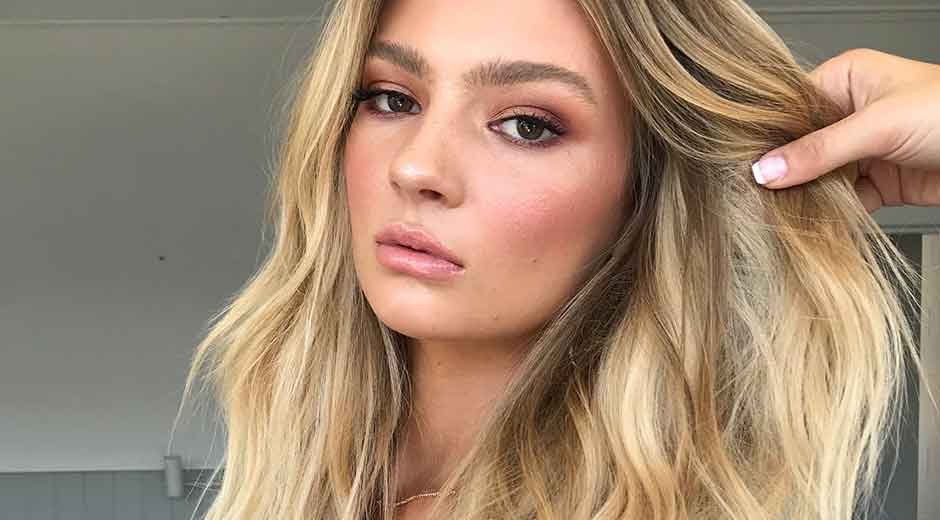
For those choosing natural-looking blond hair extensions, small tone shifts make a big difference. A warmer blonde suits golden or honey hair, while ash or beige blends better with cooler shades. Comparing photos or physical swatches side by side helps confirm the match. Aim to match the color at the ends, since that is where the extension will blend most visibly.
Considering Highlights and Dimensional Blends
Natural hair rarely sits in one flat color. Most people have lighter strands around the face or scattered through the lengths. Recognizing these variations allows them to select a halo extension that mimics that depth.
A single-shade extension might work well for uniform tones. However, if hair includes soft highlights or lowlights, a multi-tonal or balayage-style extension blends more smoothly. Extensions with subtle contrast between strands help reflect light in a way that feels authentic rather than flat.
Stylists often mix shades to achieve balance. For example, combining medium brown with golden highlights creates a more dimensional result. Choosing an extension that already incorporates this variation simplifies blending and reduces styling time later.
Evaluating Natural Versus Artificial Lighting
Color shifts under different light sources. A perfect indoor match may appear off outdoors. Always view potential extensions under both daylight and indoor light before confirming a choice.
Natural sunlight shows tones most accurately, while fluorescent or warm lamps can distort color. Photograph hair and extensions under both conditions to compare side by side. Consistent lighting during evaluation helps avoid surprise differences after purchase.
If possible, match the color near a window during midday light. That neutral lighting reveals true undertones and highlights. By testing under various lights, one can find an extension shade that maintains harmony across all environments, from home lighting to outdoor events.
Choosing and Blending the Ideal Halo Hair Extensions
Selecting the right Halo hair extensions depends on precise color matching, the texture of natural hair, and how well the extensions blend after placement. Shade balance, undertones, and small styling adjustments all play an important role in creating a smooth, natural result.
Selecting the Right Shade for Human Hair Extensions
Finding a true color match begins with natural light. Indoor lighting can distort tones, so taking a photo of hair near a window offers the most accurate view. The goal is to match the body of the hair, not just the roots. Ends often lighten over time, so a mid-tone match usually looks more natural than a shade that mirrors only the base.
Hair shades carry cool, neutral, or warm undertones. Cool tones show hints of ash or beige, while warm tones reflect gold or copper. Matching the undertone makes as much difference as matching the depth of color. Therefore, ash blondes pair best with cooler Halo blends, while golden or chestnut hair aligns with warmer tones.
If uncertain, a color mix slightly lighter or darker than the base shade can mimic natural variation. Human hair extensions often show subtle shifts in tone, which helps them blend with real hair more easily.
Techniques for Seamless Blending With Your Hair
A good blend helps the Halo disappear into natural strands. Placing enough hair over the wire conceals the band, while gentle layering allows movement between the two textures. Light trimming by a stylist helps shape the extensions so they flow with the person’s haircut rather than rest on top of it.
Adding curl or wave creates depth and harmony between real and added hair. Texture hides any line of separation and gives volume without heavy styling. For straight looks, even smoothing through both layers with a flat iron can unify the finish.
A bit of dry shampoo near the roots adds grip and keeps the Halo secure. Brushing should stay light and controlled to avoid pulling the wire out of place. Small steps like these give a polished, natural appearance throughout the day.
What to Do If You’re Between Extension Shades
Many people fall between shades, especially if their hair has highlights or naturally lighter ends. Blending two colors close in tone can create the most realistic effect. A lighter piece under darker hair mimics soft highlights, while a darker piece under lighter strands gives subtle depth.
Choosing one shade lighter often brightens the overall result, which works well for hair that lightens in the sun. In contrast, a slightly darker tone grounds lighter hair and makes the blend appear fuller.
Variation in tone adds natural movement that flat, single-tone hair rarely has. Adjusting shade in small increments instead of committing to one exact color often produces the most seamless match for Halo hair extensions.
Conclusion
Finding the right shade for Halo hair extensions depends on attention to detail and clear comparison. Natural daylight offers the best view of undertones and how each color interacts with the hair’s highlights or lowlights. Small shade differences often make a big impact on a seamless match.
A lighter shade can add softness and brightness, while a darker tone can create depth near the base. Therefore, comparing both helps achieve a balanced look that blends with natural hair from root to tip.
Texture and cut also matter. A few trimmed layers or added waves help the extensions align with the hair’s natural flow. As a result, the final style appears cohesive and effortless.
The best shade suits the individual’s natural tone, sits evenly across different lighting, and maintains a consistent look. Careful observation, a bit of trial, and practical adjustments lead to a match that feels realistic and easy to wear.