Luxury doesn’t mean what it should for all people, at least when it comes to engagement rings. There exists a ring that boasts an exorbitant price yet feels like a cliché purchase, and another that lands in the lower tier with basic characteristics that still epitomize quality, sentiment, and thoughtfulness. One can’t tell completely by the numbers, which is where the shopping experience gets blurry.
Most people walk into a jewelry store with the qualifications of the four Cs, the level of metal purity, and brand recognition. All are appropriate facets to consider, but none completely delve into the reasons why a ring will not feel as special over time as it should or why an expensive design always leaves the sentiment of something more, yet fails to deliver. The elements of luxury come from certain metrics and more abstract feelings combined to turn a reputable engagement ring into a luxurious one.
When Craftsmanship
There’s a paradox about craftsmanship that buyers don’t realize: It becomes more obvious over time than immediately at first blush upon seeing a ring in a store. A well-crafted ring feels balanced as it sits on a finger. It has weight that doesn’t dig into the softer interior area, it doesn’t feel oversized or so small that it falls off, and it rests naturally without requiring constant movement or adjustment back into place. These are not exceedingly exciting distinctions but they separate a ring from being just another piece from something special.
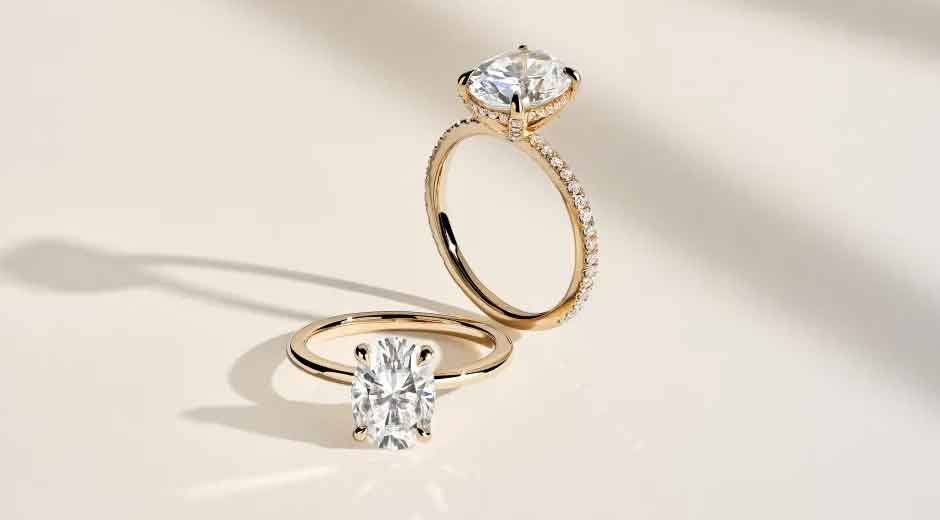
Craftsmanship plays a huge role with setting work, a facet buyers don’t often think about because it’s hard to truly examine in store unless one has a jeweler’s loupe. How well the stones stay secured, how refined the prongs appear, what the backside looks like even though nobody sees it, all of these details reveal where adequate effort ends and true craftsmanship begins. For example, looking at Luxury Engagement Rings shows how well-crafted prongs provide security without dominating the design, remaining nearly invisible to both sight and touch.
Even in basic settings, prongs do their job and keep stones in place. With better craftsmanship, prongs exist as pieces of the overall design, with tapered edges and positioning that best serve how light refracts back to the stone. In optimal circumstances, however, while prongs do their job and keep stones in place seamlessly, they’re almost invisible to the touch, providing superior security to good settings. A person on whom the ring is intended to be worn will know whether they find their setting incredible or frustrating, even if they can’t pinpoint why it’s better or worse by feeling alone.
Material Quality Beyond Specs
When people believe they know what type of material rankings there are, all they consider is metal purity; however, that tells part of the story about material quality. 18k gold is always 18k on paper; however, the variables come from which alloys create the mix with pure gold, and subsequently either remain malleable enough for beautiful finishing or ideal for wearability over decades (and those which merely maintain standards but boast subpar performance).
The same goes for platinum, all jewelry exists based on certain standards, and while personal preference may dictate someone enjoys platinum versus gold (or vice versa), the reality is that not all platinum is created equal. While metallurgically true that platinum is durable enough for jewelry use, its quality stretches beyond how it’s processed or determined.
Diamonds have different features, this might be where grading variances come most noticeable as buyers have access to fractional details for carat weight, cut, color, clarity relative to cost. However two diamonds can have identical grades but look worlds apart. Placement of inclusions matter more than just existence; the precision of angles comes down to brilliance, and a cut grade doesn’t simplify enough for optics to play such a subjective role.
Design that Holds Up Over Time
Marketability dictates buyer preference more than what’s feasible for endurance over time, and luxury often feels good only when the initial excitement isn’t weighed long term. What’s in style and what photographs easily are good indicators of immediate desirability, but avoid designs made to withstand ten years down the line.
That said, this doesn’t default all design aesthetics to more traditional choices, there remains an ability to make something contemporary feel modern without seeming gaudy after a certain amount of time has passed. Flimsy designs boast oversized halos or overly delicate bands that struggle over time (they look great at first but feel overwhelming after too much use OR underwhelming with lack of substance), while luxury appreciates restraint mixed with visual appeal for prolonged interest.
Moreover, the components matter, the cohesiveness, the relation of the center stone to the band, from any accent stones to any other pieces in play create busy versus intentional sentiment that luxury appreciates from specific choices rather than fits and starts of fragmented concepts.
The Experience of Wearing It
This is where things get most personal, and where hard numbers fall short. How does wearing it feel? Is it appropriate for the individual? Does it do their hand justice? Oppose their hand’s natural beauty? Does it integrate seamlessly into life, or does one constantly check on it or readjust?
For rings that feel luxurious wear certain ideas in common, namely weight, substantial feel good but excess can be troublesome to wear down but often invites positive sentiment like they’re irreplaceable stones/lots. They catch beautifully but don’t overshadow daily activity to warrant asking anyone’s attention every moment of every day; they’re locked on tight enough one doesn’t have to constantly readjust from worry.
They’re effective with existing styles instead of forcing metal on them like an afterthought. Comfort level extends beyond sizing, some snag incessantly on clothing; others collect grime and soap between crevices impossible to clean; some sit too high which appeals for showiness but catches on absolutely everything.
When Price Actually Reflects Value
The engagement ring market boasts plenty of overpriced rings, but quality does not match what certain businesses expect people to pay. Brand recognition spikes prices beyond reality; locations warrant more customer facing costs, and markup on everything from advertising to retail locations drive rings too high relative to market value.
However, there exists an intersection where limited price does not equate with limited quality, even if assessment lies on appearances alone. A ring in a stunning situation boasting good enough marketing doesn’t mean it’s better crafted than one that’s less aesthetically presented, but behind the scenes workings matter just like documentation ratios for materials used.
The warranty/service aspect gives insight as well, jewelers who stand behind their work do so by guaranteeing proper maintenance and repairs; those who skirt questionable craftsmanship boast limited coverage designed for their protection at all costs.
Making The Investment Feel Right
Ultimately, luxury does not come in an extra piece of fluff, it comes relative to value, as much as an engagement ring ought to represent love, and options differ nationwide, it’s important for lustrous opportunities and money spent should feel ideal together.
Ongoing satisfaction, ideal, results come from multiple sources that include but aren’t limited to whether something looks “pretty,” whether it’s easy to wear, whether it stands up against intention without anyone needing to take note on a case by case basis.
Sometimes those valued options live in line with what’s anticipated; other times they run across as practical options, for example, the mid tier priced versus heavy hitting might possess better quality through aesthetics than something that seems better marketed in stores.
The joy comes from easy overlap between presumed expectations by both buyer and wearer combined with objective necessity levels for quality, all should lead up toward cost, but whatever makes sense makes sense, even if it’s not expected.
The need is established to identify rings that above boast a quality that’s too difficult to narrow down but surely easy to discern, they just feel right, not good enough, not acceptable, ideal, for whoever wears them! And that level of appropriateness comes from tangible notes above combined with that intangible sense that this is THE particular piece for THE particular person!