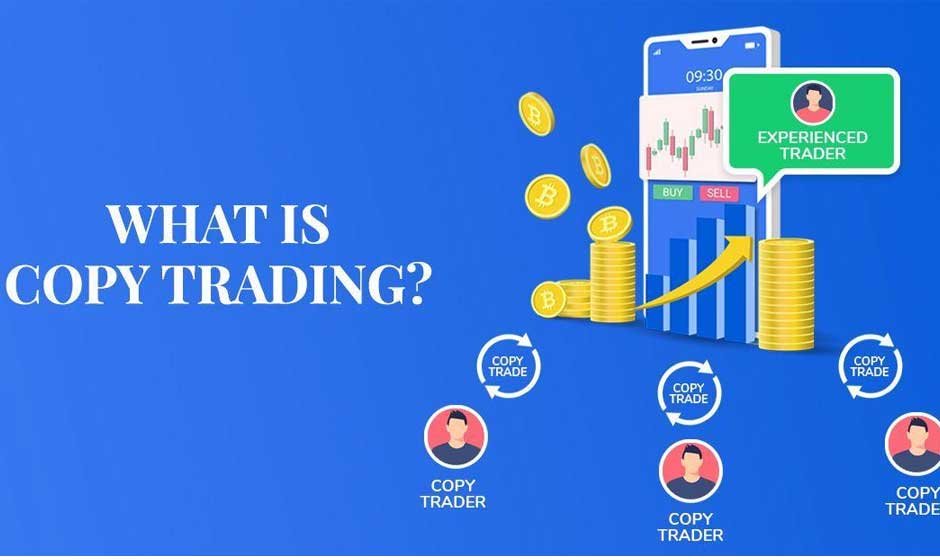
Funded accounts and copy trading platforms both give traders new ways to enter the financial markets, but they work very differently. In a funded account, a trader uses a company’s money to trade and keeps a share of the profits. Copy trading platforms, on the other hand, let users automatically mimic the trades of others, making it possible to follow experienced traders without making every decision themselves.
The setup for each choice attracts different kinds of traders. Those who want to prove their skills might choose a funded account, while people looking for a hands-off experience may decide to copy trades.Some people refer to reliable funded trading platforms , such as Falcon Funded prop firms, which give many traders a structured path to reach their trading objectives, because of their clear rules and profit opportunities, while others find copy trading easier because they don’t need to actively manage each trade.
Knowing the key differences helps investors pick the method that matches their style and goals. Each approach offers unique advantages, risks, and requirements, which are important to consider before getting started.
Core Differences Between Funded Accounts and Copy Trading Platforms
Funded accounts and copy trading platforms each offer a unique way to participate in financial markets. These two options differ in how they are set up, the level of control a person holds, how risks are handled, and the way profits are made.
Definition and Structure
A funded account is given to a trader to use someone else’s money for trading. The trader manages the account but must follow specific rules about risk and strategy. If they follow the rules and perform well, they keep part of the profit.
A copy trading platform is different. Here, people let their accounts copy trades made by another person. The copier does not control the trades. The copy system connects the accounts automatically, so trades happen at the same time as the original trader’s. The main feature is automation, making it simple for less experienced traders to mirror skilled ones.
Control and Decision-Making
Traders with funded accounts make all the decisions about buying and selling. They review the market, decide when to enter or exit trades, and adjust their strategy as needed. They have full control, so every move is based on their own ideas and choices.
With copy trading platforms, control works differently. Copiers pick a trader to follow and let their accounts repeat that trader’s actions. The copier can usually stop copying at any time or adjust how much money to risk per trade, but they do not pick each trade. They depend mostly on the skill of the person they are copying.
Risk Management Approaches
In funded accounts, the company sets specific risk limits to protect its money. Traders must use stop-losses, limit position sizes, and avoid major losses or breaking rules. If rules are broken, the funded account can be taken away. Traders need to manage their trades carefully to stay within these boundaries.
Copy trading platforms often give users some tools to control risk, such as setting the maximum loss they will accept or changing how much is copied per trade. However, the copier’s risk is tied to the performance of the lead trader. If the lead trader takes on risky trades, the copier might face similar losses unless they change their settings or stop copying.
Revenue Models
A funded account usually pays profits by splitting them between the trader and the company. For example, the trader may keep a set percentage of earnings, while the rest goes to the company. The structure is built around performance: profit comes from successful trades that follow rules.
Copy trading platforms often work by charging fees in several ways. Some charge a subscription to copy a trader, others take a share of profits, and some add small fees to each trade. Instead of performance-based splits, the earnings for the service come from these ongoing fees, which are paid whether the copier wins or loses.
Practical Considerations for Traders
Traders need to look at the rules for opening accounts, ways to track trading results, and the clarity of pricing when choosing between funded accounts and copy trading platforms. Each area has its own features that matter most for day-to-day use.
Account Eligibility Requirements
To get a funded account, traders usually have to pass a test or meet certain goals before they can use real money. This often includes trading with a demo account, following risk rules, and reaching profit targets over a set period. Traders may need to show steady results and avoid big losses during this stage.
In contrast, copy trading platforms do not normally require any trading test. Users usually just register, fund their account, and pick traders to copy. This makes it much quicker to start, but it also means users might not have any trading experience themselves.
Some funded accounts might require identification checks, age limits, or proof of address. Copy trading platforms may also do ID checks, but often the process is easier. Both types of accounts might have limits based on where the trader lives, such as country or regional rules.
Performance Monitoring
With a funded account, traders must keep a close eye on their trades and stick to strict rules. If rules are broken, such as going over risk limits, the account can get suspended or closed. Many funded accounts have dashboards or tools for traders to view their progress, risk, and set goals.
Copy trading platforms, on the other hand, focus on tracking the people being copied. Users can see performance numbers, win rates, and risk scores of each trader. Some platforms show leaderboards or even let users stop copying at any time if results drop.
Detailed logs, charts, and summaries help copy trading users pick and change traders as needed. This difference lets copy traders be more passive, while funded account users must be hands-on and pay close attention to each move.
Cost and Fee Transparency
Funded accounts often charge fees for taking the test, monthly access, or rules-based penalties. These costs can include one-time payments or subscriptions before the trader can start with real money. Any losses or breaking key rules may also lead to extra costs or loss of access to trading funds.
Copy trading platforms usually have clear fee models, like a share of profits, account commissions, or set monthly charges. Fees can come from both the platform and the trader being copied. Many platforms list all costs, such as spread markups, management fees, or withdrawal limits.
If traders want to compare costs, viewing the fee table and rules is very important. Fee structures vary, so it helps to check if there are any hidden or extra charges, especially for actions like withdrawing funds or stopping a copy relationship. This can make a big difference in actual returns over time.
Conclusion
Funded accounts and copy trading platforms each serve different needs in the trading world. Funded accounts give traders the chance to use someone else’s capital, sharing profits according to set rules. Copy trading platforms allow users to mirror another trader’s moves in real time, offering more control and the ability to stop copying at any moment.
Choosing between these two comes down to the level of control, risk preference, and personal learning goals. Both offer unique opportunities for gaining experience and managing trades. Users should consider their own priorities and comfort with risk before making a choice.