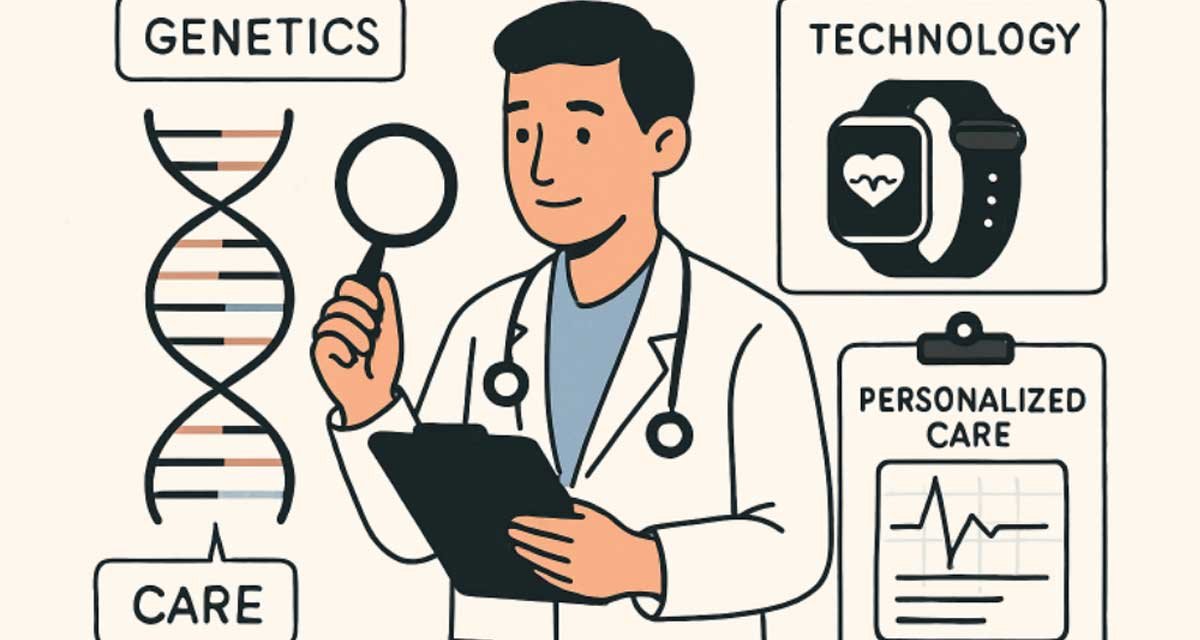
Achieving optimal health in today’s world requires more than a one-size-fits-all approach. With increasing awareness of how genetics, environment, and lifestyle shape individual wellness, personalized medicine is emerging as a vital path for those seeking customized, effective care. Experts specializing in functional medicine in Columbus, Ohio have pioneered the integration of these personalized strategies to help patients realize sustainable well-being.
Rather than treating generic symptoms, personalized medicine looks at the whole person. Advancements in technology, including artificial intelligence (AI) and genomic science, are accelerating this approach. By considering each person’s unique background, healthcare professionals provide solutions that extend far beyond traditional models.
Understanding Personalized Medicine
Personalized medicine, often called precision medicine, customizes healthcare to each individual. Instead of relying on broad, population-based treatments, this approach considers genetic information, personal history, environment, and lifestyle habits to develop effective treatment and prevention strategies. Patients benefit from recommendations and care plans that are more likely to succeed, since they are specifically designed for their needs and circumstances.
Healthcare systems worldwide are gradually embracing personalized medicine. By leveraging information from electronic health records, wearable technology, and sophisticated diagnostics, providers can improve both outcomes and patient experience.
The Role of Genomics in Personalized Healthcare
Genomics is key to personalized medicine, as it involves studying an individual’s DNA to predict disease risk and guide therapy. Clinics like Mayo Clinic use genomics for diagnosis and tailored treatments. Pharmacogenomics leverages genetic data to improve medication safety. As the National Cancer Institute notes, targeted therapies demonstrate the transformative impact of genomics. Advances in genomic sequencing are making it increasingly accessible for routine clinical use, allowing for earlier detection of potential health risks. By integrating genetic insights with patient history and lifestyle factors, healthcare providers can create more precise, individualized care plans that improve outcomes and minimize unnecessary interventions.
AI and Personalized Medicine
Artificial Intelligence is rapidly transforming how data influences personalized care. By processing vast amounts of genetic, biometric, and lifestyle information, AI can spot patterns and predict health risks far better than ever before. This allows for earlier interventions and the design of highly individualized wellness plans. For instance, the development of AI-enhanced medication alerts ensures that clinicians provide the most relevant recommendations for each person, reducing unnecessary interventions and improving adherence.
Functional Medicine and Personalized Care
Functional medicine is a patient-centered discipline that naturally aligns with the tenets of personalized medicine. Rather than treating only symptoms, functional medicine practitioners focus on finding and addressing the underlying causes of illness. They consider complex networks of interactions among genetic, environmental, and lifestyle factors. This holistic view maximizes the benefits of personalization and empowers patients to make lasting, healthy changes. Comprehensive assessments and ongoing support from functional medicine clinics help to optimize overall health and resilience.
Implementing Personalized Medicine in Daily Life
Bringing personalized medicine into daily life involves several actionable steps. First, individuals can undergo genetic testing to understand hereditary risks, which can guide the development of tailored wellness strategies. Second, personalized nutrition is implemented through dietary recommendations that consider genetic data and metabolic factors, enabling healthier eating aligned with individual needs. Third, customized exercise plans are crafted based on genetic and lifestyle information, optimizing results while minimizing injury risks. Lastly, continuous monitoring via wearable devices and health-tracking apps enables real-time progress assessment and strategy adjustments, thereby promoting innovation in care.
Challenges and Future Directions
Despite significant promise, several challenges exist for the widespread adoption of personalized medicine. Data privacy and security are paramount concerns, as more patients share sensitive genetic and lifestyle data with healthcare providers and digital platforms. Additionally, high costs can restrict access for many, and there is a continuous need for deeper scientific validation of personalized protocols before routine application. The future will likely see greater development of accessible AI tools, refined risk-assessment models, and policy progress toward broader access to individualized care.
Conclusion
Personalized medicine marks a profound and necessary evolution in healthcare. By focusing on individual differences and harnessing the latest scientific advances, this approach delivers long-lasting benefits for wellness and disease prevention. Embracing personalized medicine through functional medicine and innovative technologies paves the way for a healthier future tailored to you.