Moving to a new place often comes with a strange emotional lag. You arrive. You unpack. You learn how the shower works. On paper, everything is fine. Internally, though, things feel off. You might feel restless, disconnected, or vaguely unsettled without being able to explain why. That reaction is common when moving homes. New places disrupt more than logistics. They interrupt familiarity, rhythm, and identity. The small, unconscious cues that usually tell your nervous system “you’re safe here” disappear. Until new ones form, the body stays slightly alert. That is where creative routines can help. When done consistently, creative routines help you feel grounded by giving you something known inside an environment that still feels anything but familiar.
Why feeling grounded matters more than feeling busy
After a move, many people try to stay busy on purpose. They explore nonstop, overschedule, or distract themselves until the discomfort fades. Sometimes that works. Often, it just delays the adjustment.
Feeling grounded isn’t the same as being occupied. It’s about having a sense of internal steadiness, even when your surroundings are unfamiliar. Without that steadiness, even enjoyable experiences can feel slightly draining.
Grounding usually comes from repetition; from doing small things the same way, at the same time, often enough that your system begins to relax.
Creative routines fit into this gap naturally. They introduce repetition without rigidity and engagement without pressure.
What “creative routine” actually means in this context
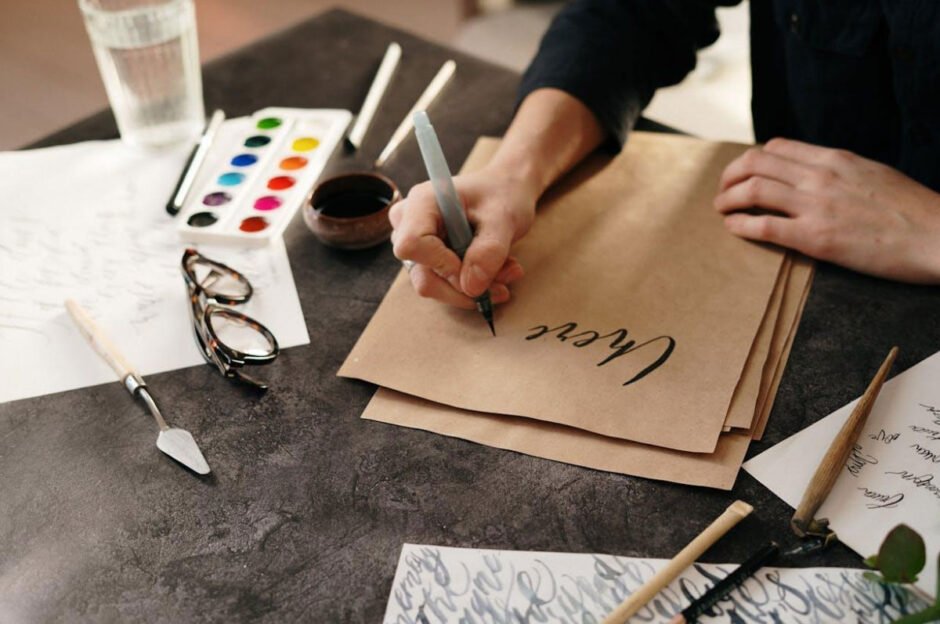
Creative routines don’t have to involve art supplies, talent, or output. They don’t require inspiration. In this context, creativity is about interaction rather than performance.
A creative routine can be:
- Writing a few lines every morning
- Making the same meal on Sundays
- Rearranging a corner of a room slowly over time
- Playing music while unpacking
- Walking the same route while taking photos
- Keeping a physical notebook instead of notes on your phone
What matters is not what you’re making, but that you’re doing something familiar, intentionally, and repeatedly.
Using creativity to bridge the gap between space and belonging
One of the hardest parts of moving involves closing the emotional distance between a new space and a real sense of home. A house can function perfectly and still feel impersonal. Even a furnished room can feel unfinished if it lacks familiarity. Small, intentional actions help shorten that gap and make daily life feel grounded.
Focus on practical steps first. Unpack the essentials you use every day instead of opening every box at once. Set up one room completely, whether that’s the bedroom or the living area, so you have a place that feels settled from day one. Hang artwork or framed photos early, even if the rest of the walls remain bare. Add familiar scents through cooking, candles, or linens washed with your usual detergent. These routines support the emotional shift that comes with turning an empty house into home, because repeated use and personal cues help the space feel responsive rather than temporary.
Why do routines calm the nervous system in unfamiliar environments?
When you move, your brain has more work to do. Everything requires attention: directions, social cues, even small decisions like where to buy groceries. That constant scanning keeps the nervous system alert. Creative routines reduce that load because they remove decision-making. You don’t have to figure out what to do. You already know. That predictability signals safety, and over time, it helps your body shift out of constant vigilance and into a more regulated state.
Creative routines that help you feel grounded in practice
Not every routine works for every person or place. The most grounding ones tend to share a few characteristics, though: they’re small, repeatable, and tied to your actual environment.
Some examples of creative routines that help you feel grounded include:
Place-based routines
Doing the same creative act in the same physical spot helps anchor both body and space. That might mean art journaling at one window, stretching on the same patch of floor, or listening to music in a specific chair.
Time-based routines
Creativity attached to a time of day builds rhythm: morning writing, afternoon walks, evening cooking rituals. Even when the rest of the day feels unpredictable, that anchor stays put.
Sensory routines
Creative acts that involve the senses – sound, texture, smell – tend to ground faster. For example, this can include kneading dough, playing an instrument, lighting incense, or organizing shelves by hand instead of digitally.
Low-stakes output
The less pressure attached to the result, the better. These routines work because they’re repeatable, not because they’re impressive.
Why creativity works better than distraction
Distraction can feel helpful after a move because it fills time and quiets discomfort. Scrolling, streaming, or staying constantly busy can take the edge off in the moment. The problem with this is that the relief just doesn’t tend to last.
Research suggests that the difference lies in how attention is used. A study published in The Journal of Positive Psychology found that people who engaged in everyday creative activities reported higher levels of psychological well-being, including feeling calmer and more engaged with their environment, compared to those who relied primarily on passive activities for stress relief. The effect wasn’t tied to artistic skill or output, but to the act of creating itself, which encouraged presence rather than avoidance.
That distinction matters after a move. Distraction pulls attention away from the unfamiliar. Creativity brings attention to it, but in a contained, manageable way. Instead of numbing the nervous system temporarily, creative routines help it adapt. They allow you to interact with your surroundings without having to process everything at once.
How long does grounding take?
There’s often pressure to “settle in” quickly. To feel at home within weeks. That expectation tends to backfire.
Grounding usually happens gradually. It’s built through repetition and familiarity, not milestones. Creative routines help you feel grounded, as they don’t speed the process so much as smooth it. They reduce friction.
Instead of waiting for a moment when everything suddenly feels right, you create small moments of familiarity along the way that add up over time.
When creative routines feel hard to start
Not everyone feels creative after a move. Fatigue, stress, or emotional overload can make even small routines feel like effort.
If that’s the case, scale down further. A routine doesn’t have to feel meaningful to work. It just has to be consistent.
Letting routines evolve with the place
As a place becomes familiar, creative projects often change naturally. Some fall away. Others deepen. That’s a good sign. Grounding isn’t about locking yourself into habits forever. It’s about giving yourself support while the adjustment happens. Once stability forms, creativity can become exploratory again. But early on, routine does the heavy lifting.
Feeling grounded is about relationship, not control
Feeling at home doesn’t come from managing every variable. It comes from building a relationship with a place. Creative routines help you do that slowly, without forcing connection. They allow familiarity to form organically. They give you something steady while everything else shifts.
Over time, the place responds. It holds memory. It feels less like a backdrop and more like somewhere you belong. That’s why creative routines help you feel grounded – not because they fix everything, but because they give you continuity while everything else is new.