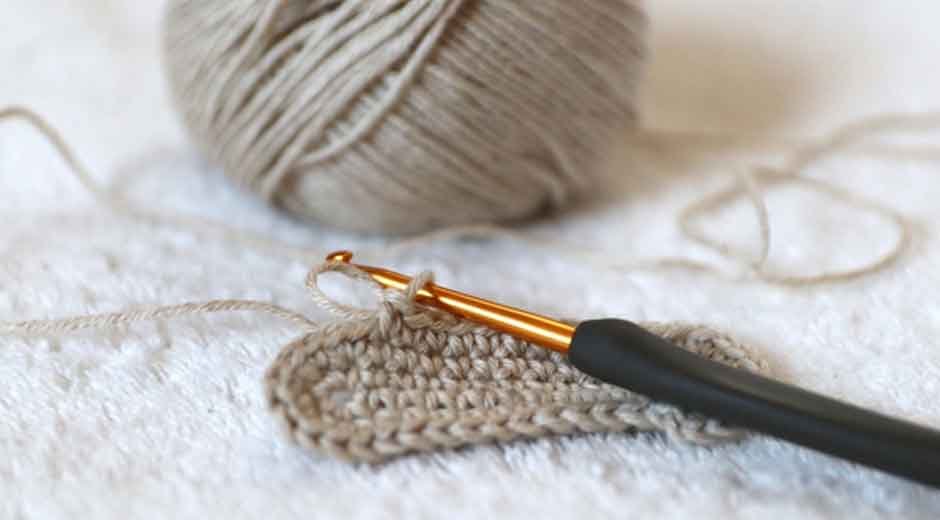
The success of your knitting project depends heavily on selecting the ideal yarn. Choosing the proper yarn makes your design shine but selecting poorly can lead to frustration and disappointment.
Given the overwhelming variety of yarns available in stores, how do you determine which one works best for your particular knitting pattern? The answer isn’t always straightforward.
This guide demonstrates the precise steps needed to select yarns that create beautiful patterns every time. Stop spending money on inappropriate yarns that result in unsatisfactory finished projects.
What You’ll Discover
- Why Yarn Selection Makes or Breaks Your Project
- Understanding Yarn Weight Categories
- Decoding Fiber Types and Their Best Uses
- Matching Yarn to Pattern Requirements
- Special Considerations for Different Project Types
Why Yarn Selection Makes or Breaks Your Project
- Selecting yarn involves more than color choice because it determines the appearance, texture and performance of your completed project.
- Here’s why yarn selection matters so much:
- Some yarns produce rigid fabric while others create soft flowing pieces
- Some yarns display intricate stitch patterns clearly while others obscure them
- The strength of fibers varies when exposed to wear and laundering processes.
The comfort of a garment determines if it becomes your favorite attire or remains unused in a drawer.
When browsing Fiddlesticks yarn collections, you’ll notice they organize options based on project types for this very reason – yarn selection is critical to project success. Specialized yarn shops have loyal customers because their curated selections match patterns with suitable yarn products which allows them to stand out against general craft stores.
Understanding Yarn Weight Categories
- The selection of yarn weight represents the most critical element when matching yarn products with patterns. An incorrect yarn weight can drastically alter both the dimensions and visual outcome of your project.
- Standard yarn weight categories include:
- Lace (0) – Extremely thin, for delicate projects
- Fingering/Sock (1) yarn is extremely thin and designed for socks and high-quality garments.
- Sport (2) – Thin but substantial
- DK/Light Worsted (3) – Versatile medium-weight
- Worsted/Aran (4) – Standard medium-weight
- Bulky (5) – Thick and warm
Super Bulky (6) yarn provides maximum thickness which makes it ideal for speedy project completion.
Market research indicates blended yarns which integrate natural and synthetic fibers demonstrate above-average growth because of their versatile properties. Blended yarns deliver multiple fiber advantages while compensating for their individual shortcomings.
Weight Substitution Tips
- When your pattern specifies a yarn that is no longer available you need to know weight categories to find an appropriate substitute.
- Determine the weight classification of the original yarn.
- Ensure your substitution works by matching the gauge which shows stitches per inch instead of sticking to the yarn weight category.
- Swatch before committing to your project
Change the needle size if necessary to reach the intended gauge.
Yarn weight determines the amount of yarn required for your project. Using thicker yarn will require less yardage while thinner yarn demands more yardage to complete the project.
Decoding Fiber Types and Their Best Uses
The fiber content of your yarn has significant effects on the appearance, texture, and durability of your finished project. This quick guide explains common fiber types and their best uses.
Animal Fibers
- Wool: Versatile, warm, breathable. Great for sweaters, accessories, and outerwear.
- Merino wool surpasses standard wool in softness making it ideal for clothing that touches the skin.
- Alpaca: Very warm, drapey, minimal stitch definition. Best for simple stitch patterns.
Mohair fiber generates a halo effect while providing warmth without adding weight. Good for layering projects.
After two consecutive years of downturns the Australian woolen yarn market rebounded to $48M in 2024 but consumption levels remain below those of 2012. The traditional wool sector demonstrates its strength amidst various difficulties.
Plant Fibers
- Cotton: Cool, absorbent, heavy. Perfect for summer garments and dishcloths.
- Linen: Crisp, absorbent, becomes softer with washing. Excellent for summer wear.
Hemp: Durable, becomes softer with use. Good for bags and hardwearing items.
According to market research silk/hemp/viscose fabrics experience rising demand for use in high-quality lightweight luxurious garments.
Synthetics
- Acrylic: Budget-friendly, washable. Good for children’s items and beginners.
- Nylon: Adds strength. Often blended with wool for socks.
Polyester: Durable, colorfast. Often used in novelty yarns.
The global market for polyester yarn demonstrates a compound annual growth rate of 7.2% between 2023 and 2030 which indicates increased demand for fibers that provide durability.
Matching Yarn to Pattern Requirements
The majority of knitting patterns list a recommended yarn type. Selecting alternative yarns becomes easier when you understand why the suggested yarn is ideal for a pattern.
These elements define proper pattern yarn recommendations.
Key Pattern Information:
- Gauge: Patterns show how many stitches and rows fit into each inch/cm.
- Yarn weight: The thickness category
- Fiber content: What the original yarn is made from
- Yardage needed: How much yarn you’ll require
Special characteristics: Texture, drape, stitch definition requirements
The worldwide yarn/fiber market is expected to expand from $108.37B in 2025 to $138.77B in 2029 with a 6.4% CAGR because of advances in sustainable materials and the expansion of e-commerce. As selection possibilities increase for knitters they must place greater emphasis on making educated choices.
Special Considerations for Different Project Types
Different project types have unique yarn requirements. Here’s how to choose for specific projects:
For Sweaters and Garments
Consider weight and durability factors. Select yarns that resist stretching and maintain their shape while ensuring they withstand everyday use. Select yarns that can withstand regular cleaning for items that require frequent washing.
For Accessories
Durable yarns containing nylon content make the best choice for sock projects. Drape becomes essential for shawls and scarves so choose yarns that move with grace while highlighting stitch patterns beautifully.
For Baby Items
Always prioritize washability and softness. Select yarns that will not irritate sensitive skin while also steering clear of heavy yarns for clothing pieces.
Budget-Friendly Yarn Selection Strategies
Quality yarn may cost a lot but there are methods available to select yarn smartly without spending too much money.
Cotton yarn market value in Australia will increase by 2.1% CAGR reaching $4.2M by 2035 which indicates steady price appreciation. Long-term savings make purchasing quality materials a financially smart choice now.
When substituting yarn to save money, use this simple formula: Determine the complete yardage required for the original yarn then divide that amount by the yardage provided by your alternative yarn. If your pattern requires 1000 yards total and your replacement yarn offers 250 yards per skein you will need to purchase 4 skeins because 1000 divided by 250 equals 4.
Find deals that offer savings and prioritize durable items when considering project longevity while always testing small samples before buying complete project quantities.
Wrapping Up The Yarn Journey
- Selecting appropriate yarn for your knitting project can be straightforward. By evaluating weight categories together with fiber properties and your project requirements you can confidently choose yarns that improve your knitting experience.
- Remember these key takeaways:
- Choose the correct yarn weight to meet the required gauge for your project
- Assess the fiber properties to ensure they suit your project requirements
- Factor in your climate and care requirements
- You should feel comfortable making yarn substitutions as long as you approach them deliberately.
When in doubt, make a swatch!
Selecting the ideal yarn transforms your pattern into something memorable which prevents project disappointment while creating lasting value. Your knitting will reward you with lasting beautiful results when you take time to select your yarn.
What do you find most difficult when picking yarn for your projects? Tell me about your worst yarn choices and best yarn finds. The wonderful world of yarn provides endless opportunities for new learning experiences.