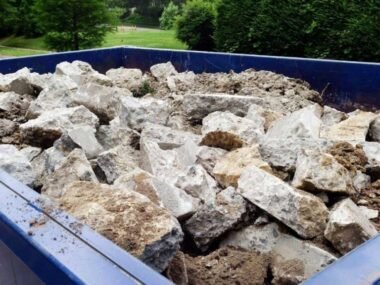
A waste factor is the percentage an estimator adds to a measured net quantity to cover material that will be cut off, broken, damaged, or lost before it ends up in the finished work. The reliable way to set one is material by material, based on the product’s unit size, the complexity of the layout, the installing crew, and the conditions on site, and then to adjust it whenever one of those inputs changes. A single blanket percentage across a whole bid is the most common shortcut, and it tends to overstate cheap, simple materials while understating the expensive, cut-intensive ones.
Waste factors look like a small line in an estimate. On a competitive bid, they decide whether material is bought once or twice, and whether the margin on a package survives the first weeks of installation.
What a Waste Factor Should Cover
A waste factor accounts for the gap between the quantity shown on the drawings and the quantity that has to be delivered to install it. That gap usually comes from a few predictable sources:
- Offcuts and trim pieces that fall below a usable size
- Breakage and damage during delivery, storage, and handling
- Layout losses created by pattern, direction, or alignment requirements
- Minimum order quantities, such as full boxes, bundles, or sheets
- Attic stock or spare material required by the specifications
Some items do not belong in the waste factor. Scope missed during measurement, design changes, and price escalation should each be handled separately. Rolling them into one percentage makes the factor impossible to check against job results, because afterward nobody can tell which part of the number was covering which risk.
Start From a Clean Net Quantity
A waste factor is only as reliable as the quantity it multiplies. If the net measurement already carries a cushion, such as rounding every wall up to the next foot or measuring openings as solid surface, adding a percentage on top compounds the overstatement. If the measurement misses rooms, elevations, or repeated units, a reasonable waste factor cannot make up the difference.
For that reason, many estimating teams keep two numbers visible for every line: the net quantity measured from the drawings and the gross quantity after waste. Keeping them separate lets a reviewer see at a glance whether a high total comes from the measurement or from the allowance.
Guides to the material takeoff process typically organize the work by measurement type (counts, lengths, areas, and volumes), and that is also where waste planning starts. The type of measurement tells the estimator which kind of loss to expect. Area materials lose quantity to offcuts and layout, linear materials lose it to stock lengths and splices, and counted items lose it mainly to breakage and minimum order quantities.
Set Factors by Material, Not by Project
Different materials waste for different reasons, so their factors should be set separately.
Drywall and Other Sheet Goods
Sheet goods lose material at every cut around openings, at ceiling heights that do not match sheet lengths, and at corners. Drywall offcuts also carry a disposal cost, so an inflated factor costs twice: once for the extra board and again to haul it away. A Walls & Ceilings article on gypsum recycling in a circular economy, written by the Gypsum Association’s director of stewardship, notes that gypsum panels are estimated to make up roughly 2.5% of the total weight of construction and demolition debris, citing EPA data. The right factor depends heavily on the job. Open, repetitive floor plans need less, while short walls, soffits, and frequent openings need more.
Estimators can tighten the factor by checking wall and ceiling heights against available sheet lengths before choosing a factor. When the stocked length matches the wall height, offcuts drop. When a wall is a few inches taller than the sheet, nearly every piece produces a strip that may not be usable.
Framing Lumber
Lumber waste depends on how well stock lengths match the framing layout, how often members are cut for openings and blocking, and the quality of the material delivered. Crooked or damaged pieces rejected on site count as waste too. Teams framing from repetitive layouts with consistent stud spacing and standard plate heights can usually justify a lower factor than teams framing custom geometry with many angled walls.
Tile, Stone, and Patterned Finishes
Patterns change the arithmetic. A straight-lay floor in a rectangular room produces far less waste than a diagonal or herringbone layout in the same room, because every edge piece in a pattern is cut at an angle. Large-format tile adds another variable, since a single broken piece represents a larger share of the order. For patterned work, the factor should be set by layout type and room shape as well as by material.
Bulk and Poured Materials
Concrete, grout, and similar materials lose quantity to spillage, uneven subgrade, over-excavation, and the practical need to order slightly more than the calculated volume. Their waste is driven mostly by site conditions and tolerances, so the factor should follow the conditions more than the product.
| Reference point Every percentage point of waste is paid for twice: once when the extra material is bought and again when the offcuts are hauled away. A company default is a starting figure that each job should be checked against. |
When to Change a Waste Factor
A standard factor is a default. Estimators should revisit it whenever one of the inputs behind it changes:
- Layout complexity: angled walls, curved soffits, diagonal tile, or many small rooms increase cutting.
- Product size: larger sheets, longer boards, or large-format tile change how much each cut and each breakage costs.
- Specification: requirements for attic stock, matching dye lots, or continuous grain can force extra material.
- Site conditions: limited storage, repeated handling, weather exposure, or high-rise hoisting increase damage.
- Crew experience: a crew new to the material or the layout tends to produce more offcuts early in a job.
- Repetition: repeated units can lower waste once the crew learns the layout and offcuts from one unit fit the next.
Factors can move down as well as up. A project with highly repetitive units, a clean grid, and products sized to the layout may deserve a factor below the company default, and carrying the higher default can make a bid uncompetitive.
Why Waste Factors Matter More When Prices Move
When material prices are stable, an overstated waste factor mainly costs competitiveness. When prices rise, an understated factor costs margin, because the shortfall has to be bought later at a higher price, often in small and expensive quantities. Construction Dive’s report on June 2026 construction input prices found that input prices fell 1.1% for the month but remained 7.6% higher than a year earlier, and the analysis it cited expected further escalation in the following months.
In that environment, two practices help. First, price the waste allowance at the same unit cost as the main quantity, so the allowance reflects what replacement material will actually cost. Second, keep escalation separate from waste. If a supplier quote is likely to change before purchase, handle that through a dated quote or an escalation allowance, so the waste factor continues to measure only physical loss.
Close the Loop With Job Data
The most defensible waste factors come from a contractor’s own completed projects. Building them requires comparing what was ordered with what was installed and with what left the site as scrap. Research supports that discipline. A 2025 review of the root causes of construction waste found that the absence of on-site waste management plans was the most central cause among the 25 factors it drew from the literature, with residual material accumulation and insufficient worker training also among the most influential.
The waste adds up across the industry. EPA’s material-specific data on construction and demolition debris estimates that the United States generated about 600 million tons of construction and demolition debris in 2018, more than twice the amount of municipal solid waste. Construction offcuts are only part of that total, but every point trimmed from an inflated factor is material that was never purchased, hauled, or landfilled.
A simple feedback routine is enough to start:
- Record delivered quantities against the takeoff for each major material
- Note the layout type, product size, and crew on each project
- Track returns, leftover stock, and dumpster loads where possible
- Review factors after each project and update defaults once a pattern appears
Conclusion
Waste factors work best when they are specific: set by material, adjusted for layout and conditions, applied to a clean net quantity, and checked against what happened on site. Handled that way, the allowance becomes a number the team can defend in bid review, during buyout, and in the post-job review that sharpens the next bid.