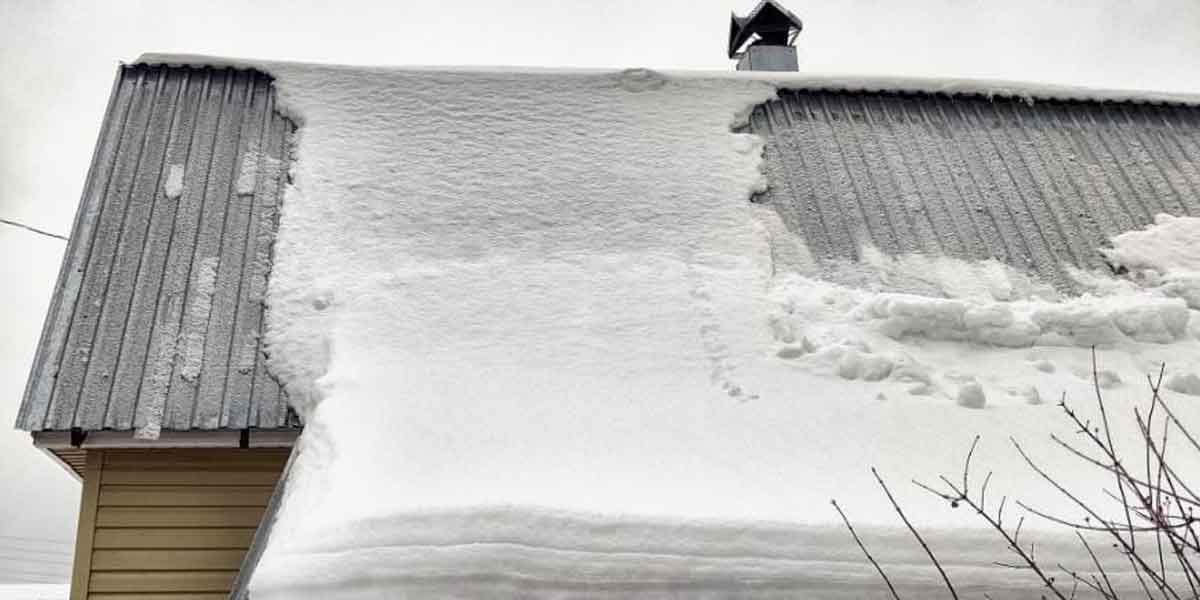
Snow is beautiful until it isn’t. For most homeowners and building owners, the first few inches of a winter snowfall feel harmless enough. But that accumulation adds up fast, and what’s sitting on your roof right now could be putting serious stress on a structure you depend on every single day. Whether you’re managing a home or overseeing a larger property that requires commercial roofing maintenance, understanding how snow load works is one of the smartest things you can do before winter gets serious.
This isn’t about scaring you into a panic every time it snows. It’s about knowing what your roof can handle, what warning signs to watch for, and when to take action before a small problem turns into a very expensive one.
What Is Snow Load, Exactly?
Snow load refers to the weight that accumulated snow places on a roof surface. It sounds simple, but it’s not just about how deep the snow is. The density matters just as much, and the same snowfall can put a very different strain on two very similar roofs depending on a few key factors.
Fresh, dry powder is relatively light. One inch of fresh snow weighs roughly one pound per square foot. That same inch, once it’s been rained on, partially melted, and refrozen, can weigh three to five times as much. Wet, dense snow is where the real problems begin, especially when it keeps piling up over several days.
Roofs are engineered to handle a certain amount of load, measured in pounds per square foot. This varies by region, with areas that regularly see heavy snow designed for much higher loads than warmer climates. The problem arises when accumulated snow, ice, and water push past what a particular roof was designed to carry, or when an older roof no longer performs the way it did when it was new.
The key variables that affect how much stress snow actually puts on your roof include:
- Snow depth and density. Wet, compacted snow is far heavier than fluffy powder.
- Roof pitch. Steep roofs naturally shed snow faster. Low-slope and flat roofs hold it longer.
- Roof age and condition. A roof with pre-existing damage, soft spots, or compromised decking is working with a reduced safety margin from the start.
- Drainage and ice damming. Poor drainage traps water and ice, adding weight and creating a separate leak risk.
How Residential Roofs Handle Snow Differently Than Commercial Roofs
Most residential roofs are pitched, which works in their favor during snowstorms. A slope of 4:12 or greater helps snow slide off gradually rather than accumulating in a deep, even layer. That said, complex roof shapes with valleys, dormers, and multiple levels can create pockets where snow drifts and piles up unevenly, putting concentrated weight on specific areas.
Still, residential roofs aren’t invincible. In areas with heavy snowfall, a multi-day storm can deposit enough snow to test even a well-built roof, especially if ice dams form at the eaves and trap additional meltwater behind them.
For commercial buildings, the challenge is often more significant. Large flat or low-slope roofs are designed to handle snow differently, relying on structural engineering rather than gravity to manage the load. The sheer surface area of these roofs means they can accumulate an enormous amount of weight before anyone notices a problem from the ground.
A 10,000 square foot flat roof holding just three inches of wet, dense snow can be supporting over 100,000 pounds of extra weight — weight that has to go somewhere, and the structure has to carry it all.
Warning Signs Your Roof Is Under Too Much Stress
You don’t always need to climb up on a roof to notice that something is wrong. In fact, some of the clearest warning signs show up inside the building first, which is why it’s worth paying attention to changes during and after heavy snow events.
Creaking or popping sounds coming from the ceiling or attic are worth paying attention to. Wood framing and trusses flex and crackle under load, and new or intensifying noises during a storm can be an early signal that the structure is working harder than it should.
Doors and windows that suddenly stick or won’t latch properly are a signal that the building frame may be shifting. If a door that swung freely all fall suddenly starts catching in winter, snow load is a possible cause worth investigating.
Visible sagging in the ceiling or roofline is a more serious sign. Any visible deflection between roof peaks or at the center of a ceiling span should be treated as urgent. This is not a cosmetic issue; it’s an indication that the structure is being pushed beyond its comfortable capacity.
Cracks in interior walls or drywall, especially near the ceiling or at the corners of windows and door frames, can indicate the same type of stress. Small hairline cracks happen for many reasons, but new cracks appearing during heavy snow season deserve a closer look.
If you notice any combination of these, get off the roof and contact a structural professional or a roofing contractor for an assessment. These are signs that need a trained eye, not a guess.
Ice Dams: The Secondary Problem Snow Creates
Snow load is one issue. Ice dams are another, and they often travel together.
Ice dams form when heat escapes through the roof deck and warms the snow above it enough to melt. That meltwater runs down toward the colder eaves, where it refreezes into a ridge of ice. As more snow melts behind that ridge, water pools and eventually finds its way under shingles and into the structure.
The result is water infiltration into the attic, insulation, ceilings, and walls, often in areas that seem far from the actual roof edge. By the time you see a water stain on a ceiling, the dam has usually been there for a while.
Preventing ice dams comes down to two things: adequate attic insulation and proper ventilation. When the roof surface stays consistently cold, snow melts more evenly and is less likely to refreeze at the edges. This is one of the reasons that a well-insulated attic is just as much a roofing issue as it is a comfort issue.
If you’re already dealing with an ice dam, removing it improperly can cause more damage than leaving it alone. Chipping away at ice with tools can crack shingles and damage the roof surface. Steam removal by a professional is the safer approach for a serious dam.
When to Remove Snow From Your Roof (And When to Call Someone)
Not every snowstorm requires action. Most well-maintained residential roofs in normal snowfall conditions can handle a typical storm without intervention. The question is when accumulation crosses from normal to risky.
Consider removing snow if:
- You’ve had multiple storms stacking up without significant melt in between
- The snow is wet and heavy rather than dry and powdery
- Your roof is older, has a known weak spot, or has been repaired previously
- You have a flat or low-slope section of the roof
- You start hearing any of the warning sounds mentioned above
For residential roofs, a roof rake with an extended handle can clear snow from the edge and lower sections from the ground. This reduces weight where ice dams are most likely to form and doesn’t require climbing onto a slippery surface. Never use a roof rake near power lines, and avoid pulling snow off in a way that creates a sudden, uneven load shift.
For commercial properties, manual snow removal by a qualified contractor is standard practice in high-snow regions. Commercial roof snow removal involves specialized equipment and safety protocols, and it should never be a DIY job for building staff. The risk of a fall or a structural misstep is too high, and the liability is too serious.
The Long-Term Effects of Repeated Snow Load on Roof Performance
Even if your roof never comes close to a structural failure, repeated heavy snow loads take a toll over time. This is one of the less obvious ways that winter weather shortens a roof’s lifespan.
Roofing materials expand and contract with temperature changes. Shingles, membrane systems, and flashing all move slightly as they freeze and thaw, and that movement, combined with the weight of snow, gradually loosens fasteners and creates small gaps. Over multiple winters, those gaps become entry points for water.
The framing and decking beneath the visible roofing layer are equally affected. Decking that gets repeatedly stressed can develop soft spots, and trusses that flex under load can lose some of their original rigidity. This doesn’t happen in a single season, but it compounds over years of heavy winters.
The practical takeaway here is that annual inspections, ideally in fall before winter sets in and again in spring after the snow has cleared, can catch this gradual wear before it becomes a major repair. A small fix in the fall is almost always cheaper than an emergency repair in January.
Final Thoughts
Snow is a reality in many parts of the country, and roofs are built to handle it. But “built to handle it” has limits, and those limits change as a roof ages, sustains damage, or deals with conditions that stack up faster than expected.
The homeowners and property managers who end up with the least winter-related damage are the ones who pay attention before the season starts, not after the ceiling starts dripping. Know what your roof is working with, understand the warning signs, and don’t wait on repairs that were already overdue when the first snow hit.
A roof that goes into winter in good shape stands a much better chance of coming out of it the same way.