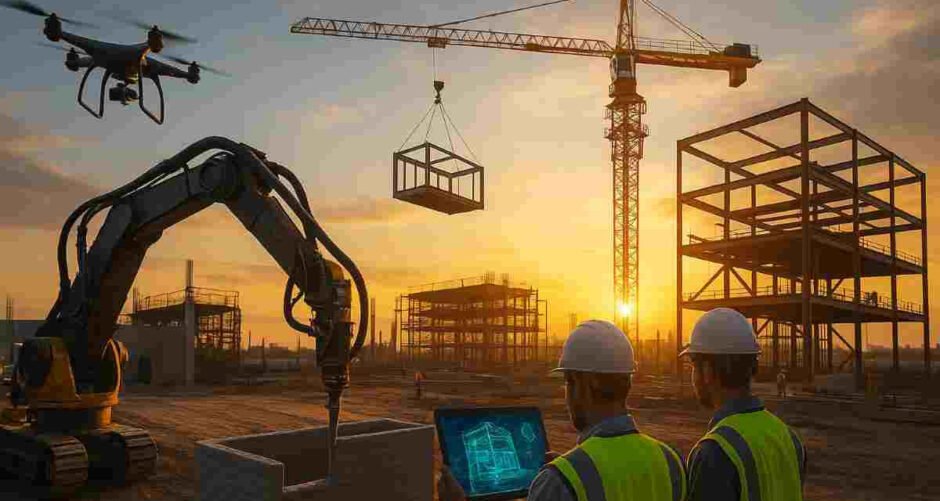
Modern infrastructure construction is undergoing a significant transformation driven by rapid technological advancements, sustainability goals, and evolving societal needs. From smart materials and modular building techniques to data-driven project management, the industry is redefining how structures are designed, built, and maintained. Digital tools such as Building Information Modeling (BIM), automation, and artificial intelligence are improving efficiency, reducing waste, and enhancing collaboration across project teams. These innovations are not only accelerating timelines but also enabling more resilient and adaptable infrastructure systems.
At the same time, industry leaders and organizations, including companies like Tutor Perini, reflect broader shifts toward integrating innovation into large-scale projects while balancing cost, safety, and environmental considerations. As infrastructure demands grow more complex, the focus continues to expand beyond traditional construction practices toward smarter, more sustainable solutions that can support long-term development and global connectivity.
Integration of AI and Robotics
The adoption of artificial intelligence and robotics is revolutionizing how infrastructure is planned and built. AI-driven platforms are cutting down planning times by optimizing logistics, resource allocation, and scheduling, often reducing preconstruction timelines by up to 40 percent. Meanwhile, robotics is automating tasks from concrete pouring to structural assembly, resulting in higher precision and lower risk for human workers. Drones are now commonly used for site inspection, enabling real-time monitoring and immediate response to safety issues or design deviations.
Such integration is supported by data from leading industry reports, which suggest that AI and robotics reduce overall project delays and elevate safety standards. An increasing number of job sites now utilize machine learning algorithms for predictive maintenance and workforce management, contributing to a steady decline in workplace accidents and unplanned downtime. These advancements not only expedite the completion of complex projects but also allow for smarter, data-driven decision-making.
Embracing Sustainable Practices
Sustainability is no longer a buzzword – it has become central to the construction industry’s approach. Many new infrastructure projects incorporate recycled materials, use low-carbon cement, or employ alternatives such as timber and hempcrete for reduced environmental impact. Designs that adopt Passivhaus principles result in buildings with lower energy consumption, improved indoor air quality, and reduced operating costs.
Another hallmark of this trend is biophilic design, which incorporates natural elements like living walls, daylighting, and renewable energy systems into buildings. Such practices do more than protect the environment. They benefit occupiers by improving physical well-being and productivity. Cities worldwide are raising building standards to mandate energy efficiency and lower carbon footprints, making these trends essential for anyone involved in new construction.
Rise of Modular and Prefabricated Construction
Offsite manufacturing of components, known as modular or prefabricated construction, is reshaping infrastructure development. This approach enables faster project delivery, more predictable timelines, and reduced waste since components are produced in precise, controlled factory environments. These methods also alleviate challenges posed by skilled labor shortages, enabling high-quality projects to be completed with smaller on-site crews.
Projects that use modular construction often achieve up to 30 percent reductions in completion time compared to conventional builds. This model supports more agile responses to surges in demand for housing and public infrastructure. The precision and reliability of factory-made components contribute to improved durability and lower life-cycle maintenance costs. Such efficiencies are crucial for public and private stakeholders seeking to maximize long-term value from their investments.
Advancements in Project Management Tools
The use of digital project management solutions has become a pillar of successful infrastructure construction. Tools like Building Information Modeling (BIM) enable unified digital representations of entire projects, making collaboration among architects, engineers, and contractors far more transparent and efficient. With advanced visualization and real-time document sharing, conflicts can be resolved earlier in the design phase, minimizing costly changes during construction.
Recent developments in cloud-based project management platforms streamline all stages of the construction lifecycle, from design and procurement to completion and handover. These platforms enable better communication with stakeholders, ensuring timelines and budgets are managed proactively. The adoption of intelligent agents capable of automating repetitive tasks further reduces administrative workload and fosters more strategic oversight at every stage.
Conclusion
Innovation in infrastructure construction is reshaping how the industry approaches design, building, and sustainability goals. Embracing AI, robotics, advanced project management, and greener building practices is not only beneficial for efficiency; it also supports sustainability. It is essential for meeting society’s rising demands and creating a resilient, sustainable future. As the sector continues to evolve, staying informed about these trends will be vital for professionals and organizations competing in a dynamic, rapidly changing field.