Introduction
Dealing with standing water at the bottom of your dishwasher is always a hassle and can quickly lead to frustration when dishes remain dirty after a cycle. Pinpointing the root cause of the drainage issue is often the first and most important step to resolving it efficiently. Understanding what to check not only makes troubleshooting more straightforward but also saves valuable time and money. If you’re puzzled as to why your dishwasher won’t drain, learning about these common issues will help you restore your appliance and prevent further kitchen disruptions. With a systematic approach, you can minimize downtime and stress, ensuring your dishwasher is always ready for action.
Homeowners frequently experience drainage problems with their dishwashers due to a handful of avoidable issues. Whether it’s blocked hoses or simple user errors, many of these problems can be addressed with basic maintenance and a little know-how. By identifying typical causes and applying simple, targeted solutions, you can avoid costly repairs and enjoy the convenience of modern dishwashing without hassle. Plus, keeping your dishwasher in good shape means your dishes come out sparkling clean after every use.
Common Causes of Dishwasher Drainage Issues
1. Clogged Drain Hose
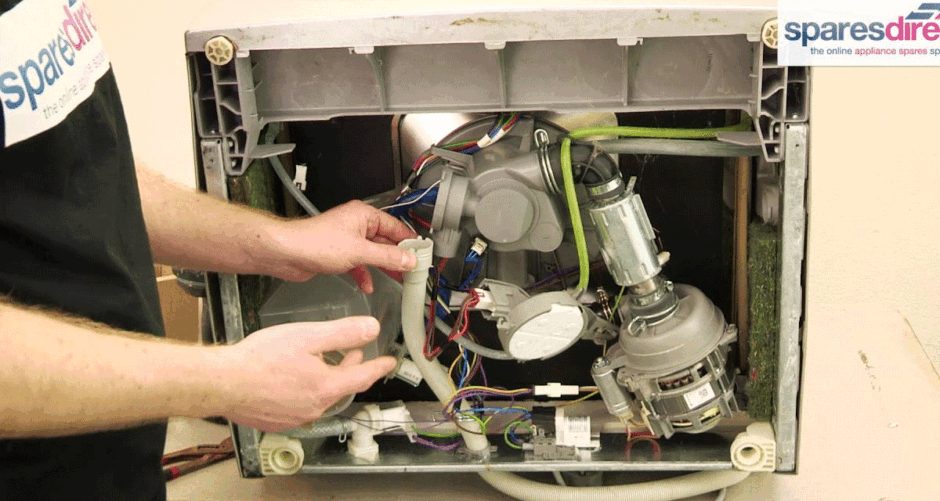
The drain hose acts as the primary pathway for water to exit your dishwasher after each cycle, directing it into your household drainage system. Over time, food particles, grease, and built-up soap scum can accumulate, slowing or completely blocking water flow. This is one of the most common causes of standing water in your machine. Regularly checking for bends, kinks, or clear blockages and cleaning them out ensures water moves freely, reducing the risk of major drainage problems.
2. Faulty Drain Pump
The drain pump plays a vital role in expelling dirty water from the dishwasher’s tub. When this pump malfunctions, it can produce unusual humming or grinding noises or stop working entirely. This is often noticed when water remains pooled inside the bottom of the dishwasher after a completed wash cycle. If the pump is clogged or broken, the dishwasher won’t be able to drain, and dishes may not be rinsed or cleaned properly.
3. Blocked Air Gap or Garbage Disposal
If your dishwasher is connected to an air gap or garbage disposal, any blockages in these critical components can directly cause backflow or poor drainage. Buildup from food, grease, or foreign objects can easily gather in the air gap or disposal unit over time, restricting water from draining out. Keeping these parts clean and unobstructed is crucial for smooth operation and helps prevent water from backing up into your dishwasher during every cycle.
4. Improper Detergent Use
Using regular dish soap instead of dishwasher detergent, or adding too much detergent, can create excess suds that clog internal components or cause water overflow. Dishwashers are engineered to work with specific types and amounts of detergent that break down food residue without causing foam. For optimal results, always use products specifically designed for dishwashers and follow the manufacturer’s instructions for measurement and usage. This small step can prevent drainage problems and extend the life of your appliance.
Step-by-Step Guide to Diagnosing the Problem
Remove Standing Water: Start by using a small cup, sponge, or absorbent towels to take out any pooled water from the bottom of the dishwasher. Clearing excess water makes it easier to examine interior components and keeps water from spilling on your floor during inspection.
Clean the Filter: Locate the dishwasher’s filter, usually found beneath the lower spray arm at the base. Twist or lift out the filter housing and rinse all pieces under warm running water, scrubbing away stubborn debris or old food scraps with a brush. Keeping the filter clean ensures proper drainage and helps prevent recurring clogs.
Inspect the Drain Hose: Trace the drain hose from where it connects to the dishwasher to where it meets the sink drain or garbage disposal. Look for obvious crimps, pinches, or buildups that could prevent water from flowing smoothly. If you suspect a blockage, disconnect the hose as described in your model’s manual, then flush it thoroughly.
Examine the Garbage Disposal and Air Gap: Run your garbage disposal with water to clear any obstructions, as dishwasher drainage often depends on an uncongested disposal. Unscrew the air gap cover on top of your sink, then poke out and remove any built-up debris you find inside. A well-maintained air gap or disposal helps the dishwasher expel water efficiently.
Test the Drain Pump: Activate a drain or rinse cycle and pay close attention to the sounds coming from the appliance. Unusual humming, whining, or the absence of water-pumping sounds can signal an obstruction or a failing pump. If the pump appears to be malfunctioning, further inspection or professional help may be necessary.
Most dishwasher problems stem from clogs or simple maintenance issues, and regular cleaning and prompt troubleshooting can resolve the majority of drainage issues. However, if the problem is more complex or you encounter persistent issues after following these steps, it may require more advanced maintenance techniques or professional intervention.
Preventative Maintenance Tips
Clean the dishwasher filter at least once a month to prevent food particles and debris from clogging internal pathways and ensuring steady water drainage.
Before starting a wash cycle, let hot water run from your kitchen faucet for a few seconds. This primes your dishwasher with hot water and helps to dissolve grease and food grime right from the start of the cycle, keeping pipes and the drain hose clearer.
Remove leftover food by scraping plates before loading them into the dishwasher. Although most dishwashers are equipped with heavy-duty grinders or filters, larger debris can still get trapped, leading to blockages and reduced cleaning effectiveness.
Routinely inspect and flush the drain hose and check the air gap for blockages every few months. Preventative care protects your appliance from drainage failures and can prolong the life of your dishwasher.
When to Seek Professional Help
If you have followed these steps thoroughly and your dishwasher is still not draining, it is probably time to call a licensed professional. Some issues, especially those involving the internal drain pump, control boards, or electrical wiring, require specialists with the proper experience and diagnostic tools. Attempting to repair these parts without the right expertise can lead to further damage or even electrical hazards. Early intervention from a qualified technician can prevent more extensive repairs and higher expenses down the line, and ensure your dishwasher returns to reliable performance as soon as possible.
Final Thoughts
Dishwasher drainage problems can be frustrating and disruptive, but most issues are preventable with regular cleaning and mindful use. By learning about common causes of drainage failures and acting promptly when a problem is identified, homeowners can repair their appliances and prevent most water-related issues in the kitchen. Staying on top of maintenance and following best use practices are the keys to keeping your dishwasher working efficiently for many years.