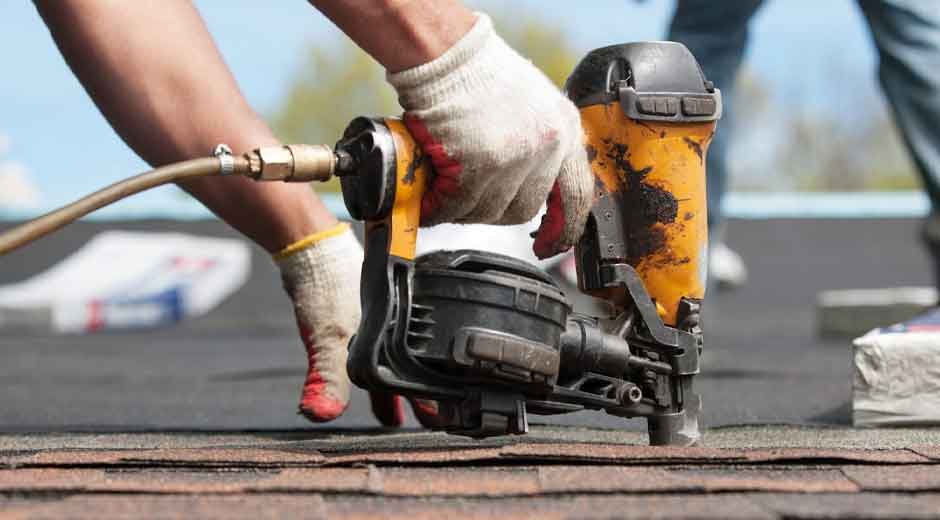
A roof serves as the first line of defense against weather and environmental hazards, protecting the home’s interior and structural integrity. Even minor imperfections in installation can lead to water intrusion, mold, or damage to insulation. Skilled contractors employ proven methods that ensure every roof replacement achieves lasting performance and reliability.
Professional teams rely on specific strategies to guarantee a leak-free roof replacement, combining quality materials, precise techniques, and thorough inspection protocols. The selection of materials, attention to flashing, and adherence to manufacturer guidelines all contribute to preventing leaks. This article explores the key techniques, inspection procedures, preparation methods, sealing approaches, and follow-up practices that make professional roof replacements durable and secure.
Material Selection and Preparation
High-quality materials are fundamental to preventing leaks during replacement projects. Professionals evaluate shingles, underlayment, and flashing based on durability, weather resistance, and structural compatibility. Proper preparation includes removing debris, inspecting decking for rot, and leveling surfaces for consistent installation.
Moisture barriers are applied strategically to prevent water infiltration through seams or joints. Material thickness, granule adhesion, and flexibility are also considered to enhance long-term performance. This initial step lays the foundation for every subsequent procedure and ensures structural integrity is preserved.
Flashing Installation for Water Redirection
Flashing installation plays a critical role in directing water away from vulnerable areas. Experts place metal or synthetic flashing around chimneys, vents, skylights, and valleys. Proper overlap and sealing prevent water from penetrating junctions that typically face high exposure.
Incorrect installation can trap water beneath shingles, leading to deterioration and leaks. Fasteners are strategically positioned to secure flashing without puncturing the key waterproofing layers. A precise approach ensures water moves efficiently off the roof surface. Regular inspection of all flashing and joints confirms that no gaps or weaknesses remain after installation.
Inspection Protocols During Installation
Continuous inspection during installation prevents mistakes that could lead to leaks. Professionals check panel alignment, fastener placement, and underlayment adhesion. They verify that all components meet manufacturer specifications for weight, spacing, and overlap.
Moisture sensors or probes may be used to confirm dry surfaces before sealing. Immediate correction of misaligned shingles or loose flashing reduces future maintenance requirements. Quality assurance at each step ensures structural resilience and waterproofing.
Sealing Techniques for Maximum Protection
Sealing prevents water from penetrating seams and joints that could otherwise fail under pressure. Professionals use compatible caulks, adhesives, and specialized tapes to reinforce vulnerable areas. Ridge caps, vent collars, and flashing edges are prioritized to block water entry.
Sealants are applied evenly, allowing for thermal expansion without cracking or detachment. Every connection point undergoes inspection to verify proper coverage. Effective sealing techniques transform a standard roof replacement into a durable, leak-resistant system.
Follow-Up and Maintenance Verification
After installation, professionals conduct a final evaluation to ensure all systems perform correctly. Water tests, visual inspections, and surface scans confirm there are no weak points. Maintenance guidelines are provided to protect roofing materials and prevent minor issues from developing.
Follow-up inspections may occur after severe weather events to verify performance. Documentation of the installation process helps homeowners plan future care. Continuous oversight reinforces the longevity and effectiveness of the replacement roof. Any minor adjustments identified during follow-up ensure the roof maintains full protection against leaks and structural damage.
Professional installation, thorough inspection, and strategic sealing are essential for a leak-free roof replacement. Following these techniques ensures the roof remains durable, weather-resistant, and structurally sound for many years. Careful attention at every stage minimizes the risk of water intrusion while maximizing long-term reliability. Engaging skilled professionals guarantees that each step meets quality standards, providing lasting protection and peace of mind for homeowners.