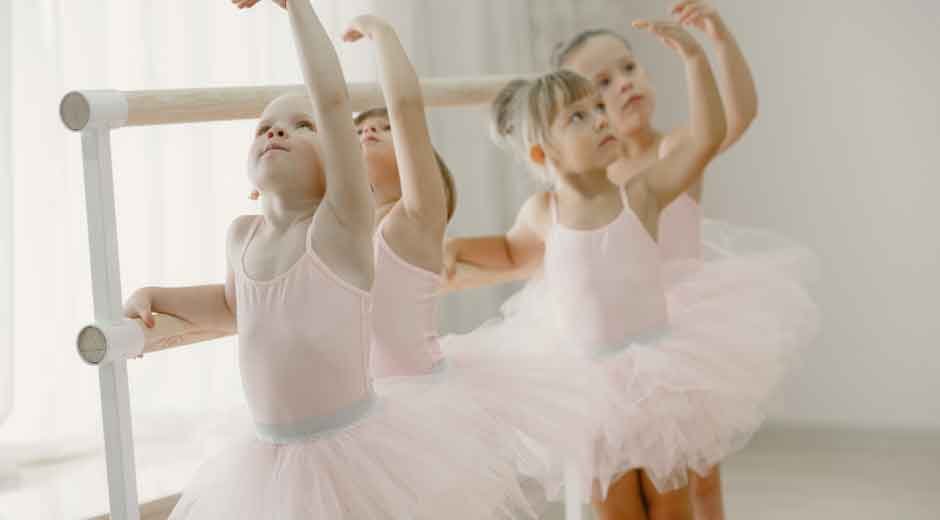
Ballet has long been associated with elegance, refinement, and strength. While many see it as an art form performed on stage, the influence of ballet training extends far beyond the theater. Attending ballet school instills habits and qualities that become integral to everyday life, shaping how individuals present themselves, interact with others, and handle challenges. Through disciplined practice and a focus on posture, movement, and expression, ballet nurtures both the body and the mind. We will explore how ballet school provides tools that help cultivate grace and poise that last well beyond a dancer’s time in the studio.
The Transformative Benefits of Ballet School in Daily Life
- Developing Strong Posture and Presence
One of the most noticeable outcomes of ballet training is the improvement of posture. At the Pittsburgh Ballet School, students are taught to hold their bodies with length and alignment, keeping their shoulders back, spine elongated, and head lifted. This training enhances physical appearance and conveys an air of confidence in everyday life. People with strong posture are often perceived as more self-assured and approachable. Beyond appearances, proper alignment helps reduce back pain and other posture-related discomforts that result from prolonged sitting or slouching.
Ballet students learn that how they carry themselves influences not only how others see them but also how they feel internally. Walking into a room with upright posture, balanced weight, and controlled movements projects grace while naturally instilling a sense of inner poise. This presence becomes a silent form of communication that creates positive impressions in social, academic, and professional settings.
- Building Discipline and Consistency
Ballet requires repetition, attention to detail, and consistent effort. At ballet school, students quickly realize that progress is not achieved overnight but through steady, disciplined practice. The structure of classes, which includes warm-ups, barre work, center practice, and choreography, teaches young dancers the importance of adhering to a routine and striving for improvement. This discipline translates seamlessly into daily life.
Students who train in ballet often carry these habits into schoolwork, careers, and personal goals. They understand that perseverance and patience are essential for growth, whether it is mastering a new skill, achieving fitness milestones, or working on long-term projects. Ballet’s emphasis on gradual progress fosters resilience, teaching individuals to embrace setbacks as opportunities to refine their technique rather than reasons to give up. Over time, this discipline evolves into a life skill that strengthens determination and fuels personal and professional success.
- Enhancing Emotional Expression and Self-Awareness
Ballet is more than physical movement; it is a medium for storytelling and emotional expression. Students learn to channel feelings into their performance, whether portraying joy, sorrow, or strength. This practice nurtures self-awareness and emotional intelligence, as dancers must reflect on their inner states to convey them authentically through movement. In daily life, this ability to connect with emotions allows individuals to respond more thoughtfully to situations rather than react impulsively. The practice of expressing emotions through ballet also boosts communication skills, enabling individuals to convey messages more clearly through both verbal and non-verbal cues.
Furthermore, self-awareness developed in ballet helps people recognize when they need rest, focus, or balance in their lives. This creates a healthier relationship with themselves and others, as they can approach interactions with empathy and understanding. In essence, ballet provides a foundation for emotional poise that extends far beyond the dance floor.
- Cultivating Grace in Movement and Interaction
Grace in ballet is not limited to the stage—it influences everyday gestures and interactions. Students in ballet school learn how to move smoothly, with control and elegance, whether executing a pirouette or simply walking across the room. This training translates into daily actions, such as reaching for objects, shaking hands, or entering a space with composure. People who carry themselves with grace often leave lasting impressions, as their movements appear intentional and refined. Beyond physical motion, ballet instills grace in interaction.
Students practice teamwork when rehearsing group performances, respecting timing, space, and cooperation with fellow dancers. This translates into improved collaboration and empathy in real-world environments. Grace becomes more than an aesthetic quality—it becomes a way of treating others with respect, patience, and kindness. By learning to move with fluidity and consideration, ballet students bring a quiet elegance to their presence in personal and professional relationships.
- Boosting Confidence Through Mastery
Confidence often grows when individuals see the results of their hard work. Ballet school provides continuous opportunities to experience this growth. Whether mastering a complex combination, performing in front of an audience, or achieving greater physical strength, each accomplishment reinforces self-belief. This sense of achievement naturally carries into everyday life, as students learn to trust their abilities and push through self-doubt. Confidence gained in ballet also manifests in public speaking, leadership roles, and social interactions.
When someone has learned to perform under the spotlight of a stage, facing challenges in the classroom or workplace feels less intimidating. Ballet encourages students to embrace mistakes as part of the learning process, helping them recover with resilience instead of fear. This mindset builds confidence that is not fragile but deeply rooted in practice and persistence. Over time, ballet students project an inner strength that inspires both themselves and those around them.
Ballet school is more than a place to learn dance; it is a training ground for building qualities that shape life well beyond the studio. Through posture, discipline, emotional awareness, grace, confidence, balance, and appreciation for art, students carry lessons into their personal and professional worlds. Each practice session contributes to inner and outer refinement, allowing individuals to embody grace in their movements and poise in their decisions.