Construction sites are some of the most dangerous places people work every day. Workers face falling objects, electrical hazards, dangerous machinery, and heights that would make most people dizzy just thinking about them. But here’s something most people don’t realize – construction work has actually become much safer over the years, and that’s almost entirely because of better safety equipment and rules about using it.
The Hard Hat Revolution
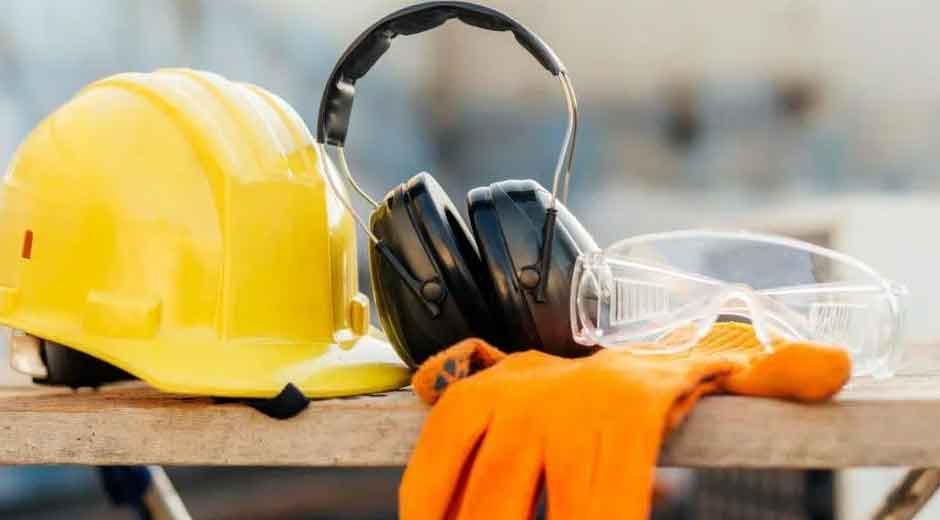
Everyone knows construction workers wear hard hats, but most people have no idea how much these simple plastic helmets actually protect. A hard hat can save your life when a wrench falls from twenty stories up. The impact from something that small falling that far could easily crack a skull, but a good hard hat spreads that force out across your whole head instead of letting it hit one spot.
Hard hats also protect against electrical shocks. The plastic material doesn’t conduct electricity, so if a worker accidentally touches a live wire or gets too close to electrical equipment, the hat helps prevent the current from going through their body. Construction sites have tons of electrical work happening, so this protection matters more than you might think.
Safety Harnesses Save Lives Every Day
When workers need to get up high, they wear special harnesses that connect to strong anchor points. These aren’t just simple belts – they’re carefully designed systems that can catch a falling person and distribute the force of the fall across their whole body instead of just their waist.
The engineering behind these harnesses is pretty amazing. They have to be strong enough to catch someone who weighs 200 pounds falling at high speed, but also comfortable enough that workers can wear them for eight hours straight. Companies that specialize in height safety equipment, such as TopTower, provide these essential systems along with the training workers need to use them properly.
Falls are still one of the biggest dangers in construction, but safety harnesses have cut down on serious injuries and deaths by huge amounts. Before these systems became standard, way too many construction workers were getting hurt or killed from falls that could have been prevented.
Steel-Toed Boots That Actually Work
Construction workers wear special boots with steel or composite material in the toes, and for good reason. A concrete block or steel beam falling on your foot could crush bones and cause permanent damage. These boots create a protective shell around the most vulnerable part of your foot.
But steel-toed boots do more than just protect against falling objects. They also have special soles that grip better on wet or oily surfaces, which prevents slips and falls. Some even have puncture-resistant bottoms that stop nails or sharp metal from going through the sole and into your foot.
The boots also support your ankles better than regular shoes, which matters when you’re walking on uneven surfaces or carrying heavy materials all day. Construction workers are on their feet for long hours, often on surfaces that aren’t smooth or level.
Eye and Face Protection
Construction sites are full of things that can damage your eyes or face. Sparks from welding, dust from cutting concrete, and flying debris from power tools all pose serious risks. Safety glasses and face shields create barriers that keep these hazards away from your most sensitive areas.
Regular sunglasses won’t cut it on a construction site. Safety glasses have to meet specific standards for impact resistance and coverage. They’re designed to stay on your face even when you’re moving around a lot or in windy conditions.
Welding requires special protection because the light from welding arcs is bright enough to cause permanent eye damage in seconds. Welding masks have dark filters that block the harmful light while still letting welders see what they’re doing.
High-Visibility Clothing
Those bright yellow and orange vests aren’t just fashion statements. Construction sites often have heavy machinery moving around, and operators need to be able to see workers from far away. High-visibility clothing makes sure workers stand out against the background of a busy construction site.
This gear is especially important around roads or in low-light conditions. A person wearing regular clothes can be almost invisible to someone operating a crane or driving a truck on a construction site. The bright colors and reflective strips on safety vests make workers much easier to spot.
Respiratory Protection
Construction work creates a lot of dust and fumes that can damage your lungs if you breathe them in over time. Concrete dust, paint fumes, and particles from cutting or grinding materials all pose health risks. Different types of masks and respirators filter out these harmful substances.
Simple dust masks work fine for basic protection, but some jobs require more serious respiratory equipment. Workers doing spray painting or working with chemicals might need full-face respirators that provide clean air from an outside source.
Why Following Safety Rules Actually Matters
Having good safety equipment doesn’t help if people don’t use it correctly. Construction companies spend a lot of time training workers on how to properly wear and maintain their safety gear. A hard hat that doesn’t fit right or a harness that isn’t connected properly won’t protect anyone.
Safety equipment also has to be inspected regularly. Harnesses can wear out, hard hats can get cracks that make them weaker, and boots can lose their grip. Workers learn to check their equipment before each shift and replace anything that might not work when needed.
The Real Impact on Construction Safety
All this safety equipment has made construction work much safer than it used to be. Serious injuries and workplace deaths have dropped significantly since these safety standards became common. Workers go home healthy to their families instead of ending up in hospitals.
The gear also helps workers feel more confident doing their jobs. When you know your equipment will protect you, you can focus on doing good work instead of constantly worrying about getting hurt. This actually makes construction projects go more smoothly and get finished faster.
These tools prove that protecting workers doesn’t just help individuals – it makes entire industries work better and more efficiently.