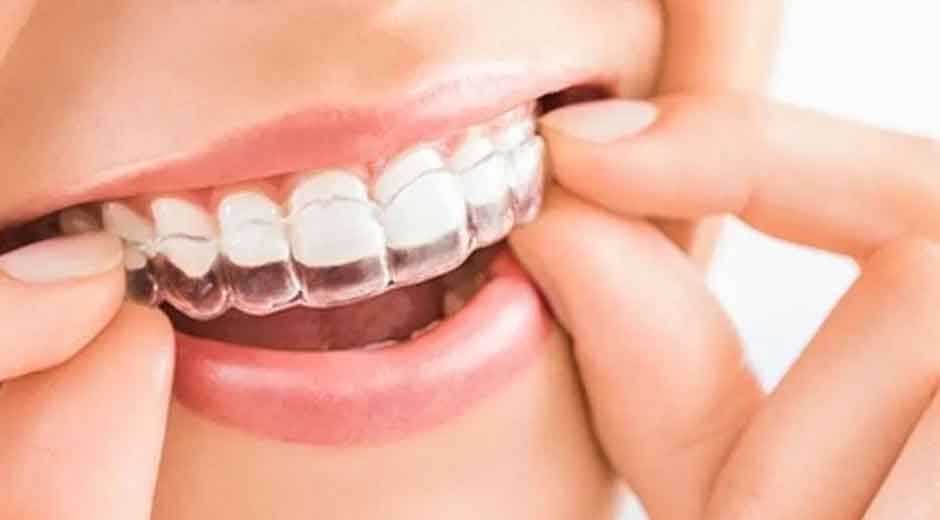
Picture this: you’re at school, work, or hanging out with friends, and nobody has any idea that you’re actively straightening your teeth. No metal brackets catching the light, no food getting stuck in wires, and definitely no awkward smiling with your mouth closed. This isn’t some futuristic dream—it’s exactly what happens when people choose clear aligners to fix their smiles.
The whole concept might sound too good to be true, but millions of people around the world are already living this reality. They’re eating their favorite foods, taking photos without hesitation, and watching their teeth gradually shift into perfect position, all while keeping their treatment completely private.
What Makes Clear Aligners So Special
Clear aligners work completely differently from traditional braces. Instead of permanently attaching metal to your teeth, you get a series of clear, plastic trays that fit snugly over your teeth. Each tray is slightly different from the last one, and as you switch to a new tray every week or two, your teeth slowly move into their ideal positions.
The magic happens because each aligner applies gentle, constant pressure to specific teeth. The plastic is so thin and clear that most people won’t even notice you’re wearing them unless they’re standing really close and looking directly at your mouth. Even then, they might just think your teeth look extra shiny.
What’s really amazing is how precise this whole process is. Before you even get your first aligner, dentists use advanced computer technology to map out exactly how your teeth will move over the entire treatment period. You can actually see a preview of what your final smile will look like before you even start.
The Freedom Factor
One of the biggest advantages of clear aligners is that you can take them out whenever you need to. Going to a wedding? Pop them out for photos. Want to eat corn on the cob? No problem—just remove the aligners, enjoy your meal, brush your teeth, and put them back in.
This flexibility makes clear aligners incredibly practical for real life. Traditional braces come with a long list of foods to avoid, but with aligners, you can eat absolutely anything. The only rule is that you need to wear your aligners for about 20 to 22 hours each day to get the best results.
For people who play sports, aligners are much safer than metal braces. There’s no risk of brackets or wires cutting the inside of your mouth during contact sports. You can even wear a regular mouthguard over your aligners for extra protection.
Perfect for Adult Lives
Many adults feel self-conscious about getting braces later in life, especially in professional settings. Clear aligners solve this problem completely. Colleagues, clients, and business partners won’t even know you’re straightening your teeth unless you decide to tell them.
The treatment process is also designed to fit busy adult schedules. Instead of frequent orthodontist appointments for wire adjustments, aligner patients typically only need check-ups every six to eight weeks. Some companies even offer remote monitoring, where you take photos of your teeth with your phone and send them to your dental team for review.
For those considering teeth straightening clear aligners, the convenience factor often becomes the deciding factor. The ability to maintain a professional appearance while improving your smile makes the treatment incredibly appealing to working adults.
The Comfort Difference
Anyone who’s had traditional braces remembers the discomfort of getting wires tightened. Clear aligners work much more gently. Each new tray creates a slight pressure that might feel snug for the first day or two, but this discomfort is usually much milder than what people experience with metal braces.
The smooth plastic doesn’t have any sharp edges that can cut or irritate your mouth. There are no emergency visits for broken brackets or poking wires. The worst thing that usually happens is losing an aligner, which can be replaced relatively easily.
Most people adjust to wearing aligners within a few days. The slight lisp that sometimes occurs when first wearing them typically disappears quickly as your tongue gets used to the new sensation.
Treatment Timeline and Results
The length of aligner treatment varies depending on how much your teeth need to move. Simple cases might take six months, while more complex situations could require 18 months or longer. The average treatment time is usually between 12 to 15 months.
What’s encouraging is that you start seeing changes pretty quickly. Within the first few weeks, you’ll likely notice that your teeth are beginning to shift. This gradual progress keeps people motivated throughout their treatment.
The final results can be truly transformative. Not only do straight teeth look better, but they’re also easier to clean properly. This means better oral health in the long run and fewer dental problems down the road.
Making the Decision
Choosing to straighten your teeth as an adult takes courage, but clear aligners make the decision much easier. The treatment fits into your existing life without major disruptions or embarrassment.
The technology keeps improving too. Today’s aligners are more effective and comfortable than ever before. The treatment planning is more precise, and the materials are designed to be nearly invisible while still being strong enough to move teeth effectively.
For anyone who’s been putting off fixing their smile because of concerns about appearance or lifestyle changes, clear aligners offer a solution that addresses those worries. The treatment happens gradually and privately, allowing you to reveal your new smile when you’re ready.
Getting the smile you’ve always wanted doesn’t have to mean compromising your current lifestyle.