Missing teeth can affect more than just your appearance. It can change the way you eat, speak, and feel about yourself. That’s why many people start looking for a long-term solution instead of dealing with loose dentures or unsightly gaps. If you’re considering dental implants, there’s a lot to understand before making the decision. The process involves more than just filling a space, and knowing what to expect can help you feel more confident about your next steps.
Let’s get into the essentials, from how dental implants work to what recovery feels like and everything in between.
What Are Dental Implants, Really?
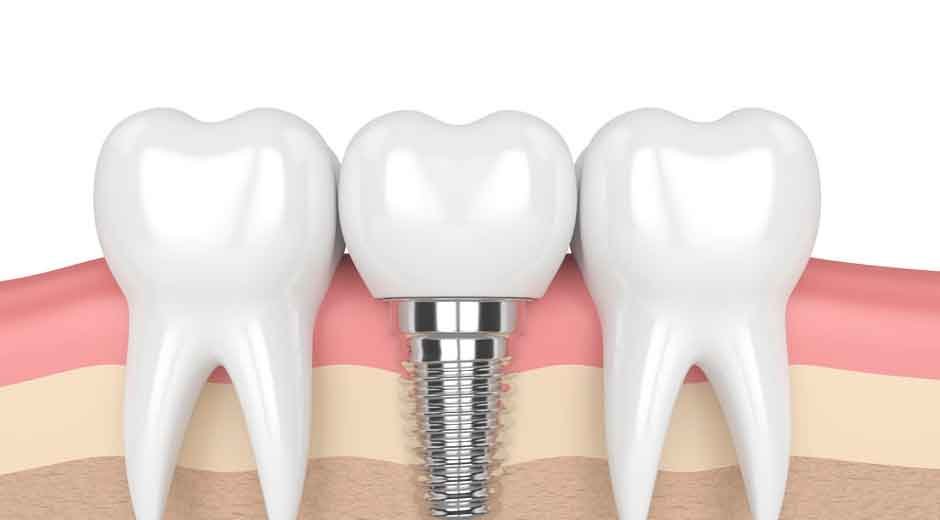
Dental implants are essentially artificial roots made of titanium that are placed into your jawbone. Once healed, they support crowns, bridges, or even full sets of teeth. Unlike dentures, implants are fixed. They don’t move or slip around. Once placed properly and given time to integrate with your jawbone, they work like natural teeth.
You’ll often hear them described as the most permanent option for replacing missing teeth, and for good reason. They’re built to last and help preserve the bone in your jaw, which often starts shrinking when a tooth is lost.
Are You a Good Candidate?
Implants might sound like the obvious solution, but not everyone is an ideal candidate straight away. Your dentist will check several things before giving the green light:
- Healthy gums– You need to be free from gum disease before the implant process can begin.
- Enough bone– If your jawbone is too thin or soft, it might not support an implant without a graft.
- Overall health– Conditions like diabetes or autoimmune disorders need to be managed first.
- Non-smoker or willing to stop– Smoking slows down healing and increases the risk of implant failure.
It’s not just about the mouth. Your general health plays a role too because the healing process after implants relies on a strong immune response and proper circulation.
What to Expect From the Procedure
Implants aren’t fitted in a single appointment. It’s a process that usually involves several stages:
- Initial assessment and scans– Your dentist takes X-rays and digital scans to check the bone and plan placement.
- Surgical placement– The implant is placed in your jaw under local anaesthetic. In some cases, a temporary tooth can be added the same day.
- Healing period– This is known as osseointegration, where the bone grows around the implant. It usually takes a few months.
- Adding the crown or bridge– Once the implant is secure, the final restoration (your new tooth or teeth) is attached.
You won’t be left without teeth throughout the healing process. Temporary options are usually provided to maintain appearance and function during recovery.
Benefits That Go Beyond Looks
The aesthetic improvement is clear, but implants also offer a number of long-term advantages that other tooth replacement options can’t match.
- Durability– When looked after properly, implants can last for decades.
- Bone preservation– Implants stimulate the jawbone, helping prevent the bone loss that often follows tooth loss.
- Speech and eating– They feel and function like real teeth, so you can eat and talk without thinking twice.
- Stability– Unlike dentures, implants don’t shift or rub, which means fewer sore spots or slips.
- Improved confidence– Because they look so natural, many people feel more confident smiling, laughing, and speaking.
If you’re after the best dental implants for teeth, look for an experienced practitioner who uses high-quality materials and follows a thorough planning and placement process. The right choice here will influence not just how they look, but how long they last.
What About Pain and Recovery?
Many people worry about pain, but implant surgery is generally much easier than expected. It’s done under local anaesthetic, and most people compare the discomfort to a simple extraction. After the procedure, some swelling and tenderness is normal, but it can usually be managed with over-the-counter pain relief and by following aftercare instructions.
Healing times vary. For some, it takes a few weeks. Others might need a few months before the final tooth can be fitted. It all depends on the quality of your bone and whether any additional procedures were needed, such as a graft or sinus lift.
Costs and Long-Term Value
Dental implants are one of the more expensive treatment options upfront, and that can be a sticking point. But it’s important to view them as a long-term investment rather than a one-off cost.
Dentures and bridges often need adjustments or replacements over time. Implants, when successful, don’t. They also help protect the rest of your teeth and bone, which means fewer problems down the line. If maintained well, they can even last a lifetime.
How to Care for Your Implants
Even though they’re artificial, implants still need daily care just like natural teeth. The surrounding gums and bone are still very much alive, and neglect can lead to implant failure.
Here’s how to keep them in top shape:
- Brush twice a day– Use a soft toothbrush and non-abrasive toothpaste.
- Floss or use interdental brushes– Clean around the implant just like you would natural teeth.
- Avoid hard foods– Biting down on things like ice or hard sweets can damage the crown.
- Quit smoking– It slows healing and increases the risk of infection.
- Regular check-ups– Routine dental visits are essential to check for early signs of issues.
A Confident Choice Starts With Good Information
Getting dental implants is a big decision, but it doesn’t need to be a stressful one. When you understand what the process involves and what kind of care it requires, you’re already on the right track.
Speak with a trusted dental professional, ask the right questions, and be honest about your lifestyle and goals. The more you know, the better the outcome. Whether you’re replacing one tooth or several, implants can offer a lasting, natural-looking solution that gives you function, stability, and peace of mind.