Most people don’t really think about how their home works until something starts to feel off. Maybe there’s never enough room for everyone to hang out. Maybe the kitchen feels too cramped when more than one person’s cooking. Or maybe it just takes forever to clean up because everything’s spread out weird. That’s when it hits—this place wasn’t really built for how life actually happens.
The truth is, a home should fit around daily routines, not the other way around. It should make things easier, smoother, and more enjoyable. And the good news? That’s totally possible, especially when building something new or remodeling what’s already there.
What “Custom” Really Means
When people hear “custom home,” some think of fancy celebrity mansions or complicated design meetings. But in reality, going custom just means making sure the house actually fits real-life needs. That could mean building a mudroom because kids track in dirt every day. Or adding extra plugs in the kitchen so meal prep doesn’t turn into a game of unplug-and-replug.
A lot of families in places like Palm Harbor are realizing that custom doesn’t have to mean over-the-top. It can just mean thoughtful. For anyone thinking about building something that really fits, working with a custom home builder in Palm Harbor can make it way easier to turn everyday challenges into smart solutions.
Why Standard Layouts Don’t Always Work
Most pre-built houses follow a pattern. You’ve got a living room, a dining area, a kitchen, some bedrooms, and a couple bathrooms. That’s fine, but it doesn’t always match how people actually live.
Take open concept layouts. They’re super popular, but they don’t work for everyone. Some people love the flow and the shared space. Others want walls for privacy or to cut down on noise—especially if someone’s working from home.
Or think about bathrooms. A lot of older houses only have one or two, which can turn mornings into chaos if there’s a big family. Remodeling to add even a half bath can totally change the daily vibe.
Homes shouldn’t feel like puzzles where people are trying to squeeze routines into places that don’t fit. A smart layout isn’t just about looks—it’s about making life easier.
Real-Life Examples That Just Make Sense
Sometimes it helps to see how small changes can make a big difference. Here are a few:
- Bigger laundry space:Families with kids (or pets) often feel like they’re drowning in laundry. A separate laundry room with space to fold clothes and store supplies can turn a dreaded chore into something more manageable.
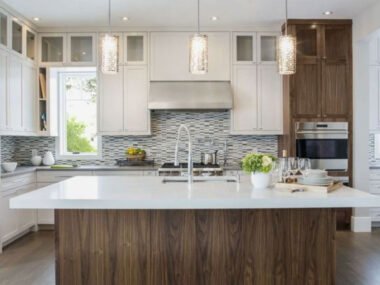
- Kitchen storage that works:Instead of reaching into deep, dark cabinets, custom pull-out drawers or vertical shelves make everything easier to find. It saves time and lowers the chance of breaking dishes.
- Drop zones near entryways:A tiny bench with hooks, shelves, or cubbies can stop the constant pile-up of backpacks, shoes, and jackets. It keeps everything neat and right where it’s needed.
These aren’t big, flashy upgrades. But they make daily routines faster, smoother, and less annoying.
Remodeling Isn’t Just for Looks
People sometimes think remodeling is all about making things prettier. And sure, updated kitchens or bathrooms can look amazing. But the real benefit goes way deeper than appearances.
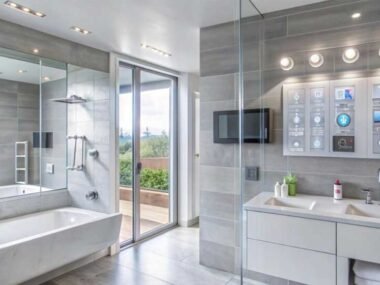
For example, an old bathroom might have zero storage and bad lighting. Remodeling it can add shelves, improve lighting, and maybe even widen the doorway to be more accessible. That’s not just nicer—it’s smarter.
Or say a house has unused space under the stairs. Instead of letting it sit empty, it could be turned into a reading nook, a pet area, or even a small workspace. Good remodeling finds ways to use every inch of space for something useful.
Remodeling doesn’t have to mean tearing down walls or moving pipes. Even simple changes, like shifting a door to improve flow, can totally change how a home feels.
Homes That Adapt With You
The way people live isn’t frozen in time. Life changes. Kids grow up, older relatives move in, jobs go remote. A house that felt fine five years ago might not make sense anymore.
That’s why flexible design matters. A guest bedroom can double as a home office with the right setup. A garage can hold storage shelves and still have space for a car. Thinking ahead during the building or remodeling process makes it easier to adjust later without needing a whole new house.
Some families even build with the future in mind—putting in wider hallways, non-slip floors, or ground-floor bedrooms in case someone needs more accessibility down the line. That’s the kind of thinking that turns a house into a long-term home.
It Doesn’t Have to Be Complicated
All of this might sound like a lot. But it really starts with asking a simple question: “What’s not working?”
From there, it’s about finding smart, doable ways to make things better. That could be building a new house from the ground up. Or it might just be remodeling a few key spots in the one that already exists.
Working with the right team—people who understand both construction and how families live—makes it easier to take those ideas and actually make them real.
Key Takeaways
A home shouldn’t be a place that makes everyday life harder. It should help people move through their day without frustration. Whether it’s a brand-new build or a smart remodel, making spaces that actually match how people live just makes sense.
Little changes can solve big problems. Thoughtful layouts, smart storage, and flexible rooms turn a regular house into something that truly works. It’s not about being fancy—it’s about being functional.
Have a house that doesn’t quite fit how things happen every day? Maybe it’s time to flip that around and let the home work for the people inside it.