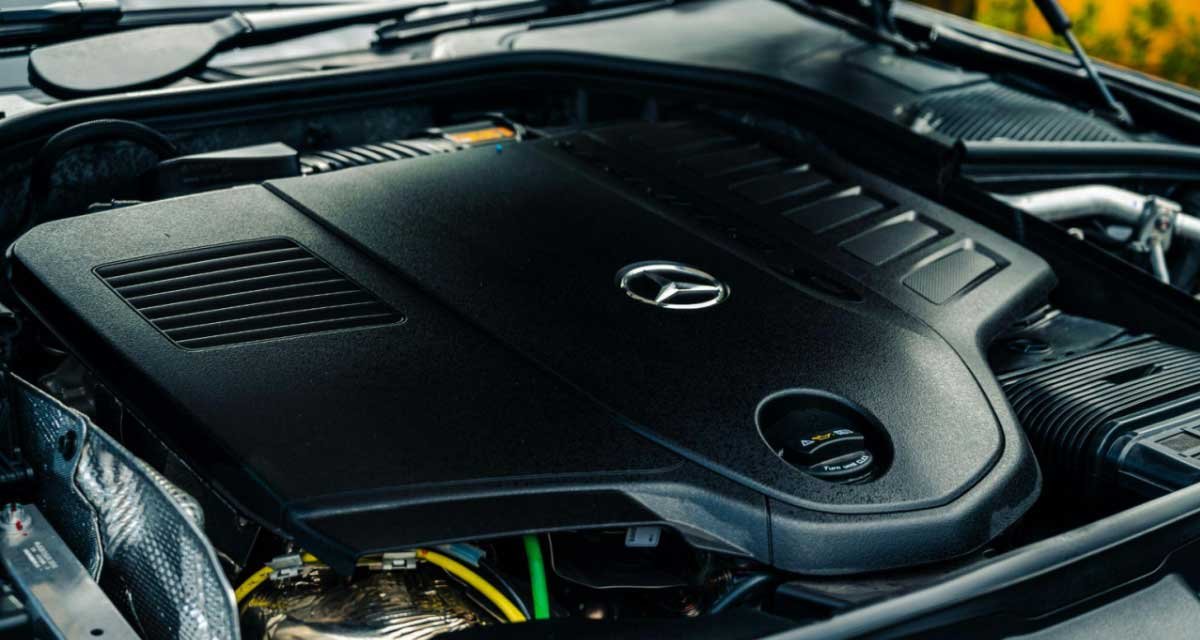
Mercedes-Benz engine overheating happens when the cooling system can’t keep the engine at a safe temperature. If left unchecked, this can lead to serious issues like warped cylinders, blown head gaskets, or even complete engine failure.
Atlanta, Georgia, is the capital of the state, with about 500,000 people in the city and around 6 million in the metro area. It’s a busy city where people spend a lot of time commuting. From daily office workers to luxury car owners driving through areas like Buckhead, the roads are always full.
This heavy traffic and the hot, humid summers can be hard on cars, especially high-end ones like Mercedes-Benz. If you notice your engine getting too hot, it’s important to get help quickly. And if you are from this region, go for a Mercedes repair in Atlanta, GA, to check the cooling system, prevent engine problems, and keep your car running smoothly on busy city roads.
Main Causes of Mercedes-Benz Engine Overheating
Coolant is the fluid that is used to absorb the heat of the engine, and then it is released by the radiator to the outside air. If the coolant level is low due to a leak or evaporation, the heat will build up since it can’t escape. According to the U.S. Department of Energy, insufficient coolant level is one of the biggest reasons for an engine to overheat.
Typical leak areas include:
- Radiator and heater hoses
- Expansion tanks
- Water pump seals
Thermostat Malfunctions
The thermostat is the component that decides how much coolant should circulate based on the temperature that is sensed. If the thermostat gets stuck in the closed position, the coolant will not flow, and, as a result, the engine will heat up very quickly. Mercedes engines are quite delicate in terms of thermostat failure because their thermal limits are very tight.
Radiator Causes the Engine to Overheat
Absolutely. The role of the radiator is to remove the heat from the coolant and release it into the air outside. Airflow and the cooling efficiency will decrease if there is internal corrosion, debris accumulation, or the fins are broken. The National Highway Traffic Safety Administration (NHTSA) states that radiator neglect is one of the most common reasons for engine breakdowns.
Role of a Water Pump
The water pump is responsible for circulating the coolant through the engine and radiator. If the water pump fails, the coolant will no longer be circulated and the engine will overheat suddenly. The majority of Mercedes vehicles are equipped with electronically controlled pumps, which may fail without the driver noticing the warning signs.
Cooling Fans Affect the Engine Temperature
Cooling fans pull the air through the radiator at low speeds or during idling. When the fan motors, sensors, or relays are defective, airflow is not sufficient, and the engine temperature rises rapidly in stop-and-go traffic situations.
How Can You Prevent Mercedes-Benz Engine Overheating?
Maintain the Cooling System Regularly
Preventive maintenance is the most effective way to avoid overheating. The U.S.-based Car Care Council recommends annual cooling system inspections.
Key preventive actions include:
- Checking coolant levels regularly
- Flushing coolant at manufacturer-recommended intervals
- Inspecting hoses and belts for wear or leaks
Watch for Early Warning Signs
Mercedes vehicles often alert drivers before overheating becomes severe.
Common warning indicators include:
- Rising temperature gauge
- Dashboard warning lights
- Steam or coolant odor
Don’t Delay Professional Diagnostics
Mercedes cooling systems rely on advanced electronics and sensors. Early professional inspections help prevent minor issues from turning into costly engine repairs.
Proper cooling system care helps ensure reliable performance and long-term durability for your Mercedes-Benz engine. If you are choosing Mercedes repair in Atlanta, make sure to go to a trusted service that can inspect your radiator, hoses, and coolant levels, fix any leaks, and keep your engine running smoothly even in heavy traffic and hot summer weather.