Betta fish are often seen as small, colorful pets living in glass tanks. Many people know them for their bright fins and strong personalities. But what most don’t realize is that betta fish have a very different life in the wild. Their natural environment is not a clean tank with filtered water. It is a place full of challenges, changes, and survival.
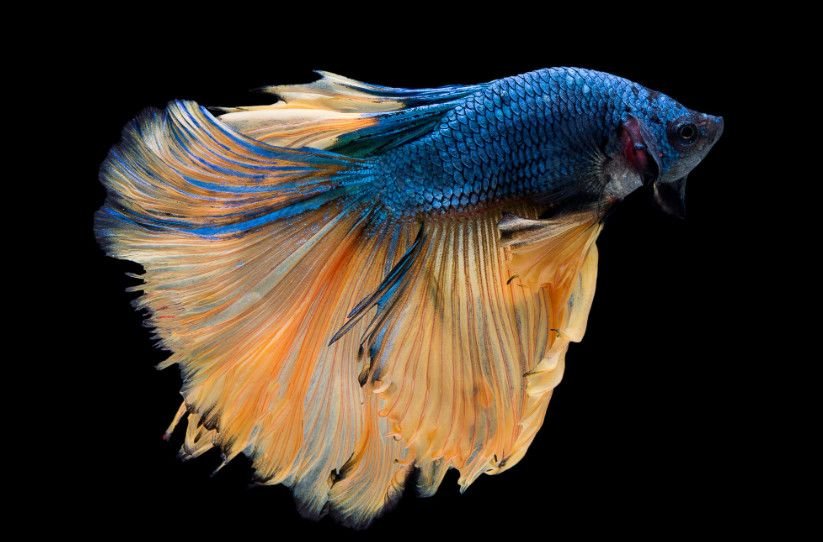
Understanding how betta fish live in the wild can help people care for them better at home. It also gives a clearer picture of why they behave the way they do. Their habits, temperament, and even their ability to survive in low-oxygen water all come from their life in nature.
Where Betta Fish Live Naturally
Betta fish in the wild live in shallow, slow-moving waters. These include rice fields, ponds, marshes, and small streams. The water in these places is often warm, muddy, and filled with plants. It is not clear or perfectly clean like aquarium water.
These environments can change quickly. During dry periods, the water level may drop, leaving only small puddles behind. During rainy seasons, the water can spread out and become deeper. Betta fish are used to these changes and have adapted to survive in them.
The water they live in usually has very little oxygen. This would be a problem for many fish, but bettas have a special ability that helps them handle it.
Their Unique Breathing Ability
One of the most interesting things about betta fish is their labyrinth organ. This is a special organ that allows them to breathe air from the surface. Instead of relying only on oxygen in the water, they can go up and take in air directly.
This is why you often see bettas swimming up to the top of a tank. In the wild, this ability is very important. Since their natural habitat has low oxygen levels, this gives them an advantage over other fish that cannot survive in such conditions.
Because of this, bettas do not need strong water flow or heavy filtration. In fact, strong currents can stress them out since their natural waters are calm and still.
What Betta Fish Eat in the Wild
Betta fish are carnivores. This means they eat mostly small animals rather than plants. In the wild, their diet includes insects, larvae, and small aquatic creatures.
They often feed on mosquito larvae, which float near the surface. This makes them useful in controlling insect populations. They may also eat small worms and other tiny aquatic animals.
Food in the wild is not always easy to find. Bettas need to hunt and search for their meals. This makes them active and alert. Unlike in a tank where food is given regularly, wild bettas may not eat every day.
Because of this, they are used to short periods without food. This is one reason why they can handle fasting better than some other fish.
Their Behavior and Temperament
Betta fish are known for being aggressive, especially males. This behavior comes from their need to survive and protect their space in the wild. In small bodies of water, space is limited. Males often fight to defend their territory.
When two male bettas meet, they may flare their fins and gills to appear larger. If neither backs down, they can fight. This is why they are often kept alone in aquariums.
However, aggression is not constant. In the wild, bettas have more space to move away from each other. They are not always fighting. Much of their time is spent exploring, searching for food, and resting.
Their environment also shapes their behavior. With plants, hiding spots, and natural surroundings, they tend to feel safer and less stressed.
How Wild Bettas Differ from Pet Bettas
The betta fish seen in stores are often very different from those in the wild. Pet bettas are usually bred for their bright colors and large fins. In contrast, wild bettas tend to have more natural, dull colors that help them blend into their surroundings.
Their fins are also shorter. This makes it easier for them to swim in their natural environment. Long, flowing fins may look beautiful, but they can be a disadvantage in the wild.
Wild bettas are also often less aggressive than those bred in captivity. Since they have more space, they do not need to fight as often.
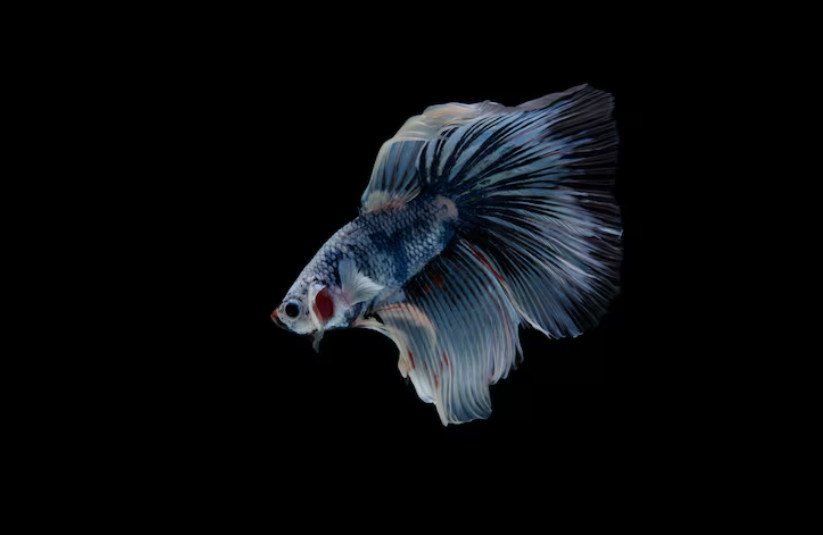
Understanding these differences can help explain why some pet bettas behave the way they do. Many of their instincts come from their wild ancestors.
Why This Matters for Betta Care
Knowing how betta fish live in the wild can change how people care for them at home. It shows that they prefer calm water, warm temperatures, and environments with plants and hiding spots.
It also explains why they need access to the surface to breathe. Keeping their water clean is still important, but it does not need to be overly strong or fast-moving.
Their diet should also match what they eat in nature. Protein-based food is better for them than plant-heavy options.
By understanding their natural life, it becomes easier to create a setup that feels closer to home for them.
A Simple Look at Their True Nature
Betta fish are more than just decorative pets. In the wild, they are active, resourceful, and capable of handling tough conditions. They live in environments that are far from perfect, yet they manage to survive and even thrive.
Their ability to adapt is what makes them special. From breathing air to building bubble nests, every part of their behavior has a purpose.
Seeing bettas in this way helps people appreciate them more. It also reminds us that even small creatures have complex lives shaped by their surroundings.
When people understand where betta fish come from, they can care for them in a way that respects their instincts. And in doing so, they can give these fish a better and more comfortable life, even in a simple tank.