The first time you walk into a new abode, the simultaneous awe and intimidation can flood your system. The white walls are blinding. The echo of your footfalls on the hardwood is deafening. Everything is brand new, and you don’t want to touch anything. Somewhere along the line, that all changes. A boxy four walls and a roof becomes home.
It’s not about more space or more money. Homes are those which capture the essence of life in all its beautiful, messy, and imperfect glory. Some need only weeks to realize the significance of their new homes while others live in magazine covers for years feeling as though they’re still house-sitting for someone with better taste.
The Building Blocks
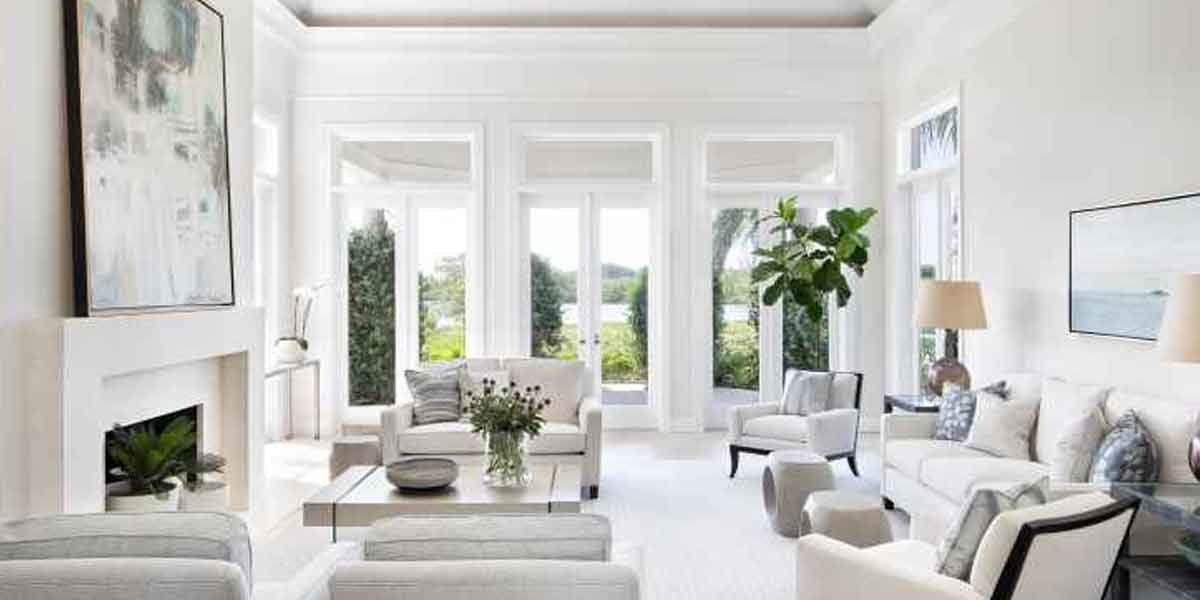
What’s the most comfortable room you’ve ever sat in? There was probably decent lighting to avoid an interrogation scenario with your friends and family. The seating was comfortable enough to enable conversation but not positioned in a way where everyone had no choice but to stare at the television. There was probably something on the table to prove that humans had been there before as well.
Lighting is key, but not through those obnoxious overhead lights that scream office building. Table lamps, floor lamps, and even candles provide little nooks of warmth that make spaces all the more inviting.
Floors are something few people consider. While wood, tile and cement seem sleek and designed, they also present cold, echoing environments. Area rugs are key here, and companies like Justrug understand that a good quality rug not only quiets footfalls, but it can also define space in an open room without walls. And of course, it’s comfortable for your toes!
The Essentials That Make You Feel at Home
The quickest way to take a home’s comfort away is to have it seem like a staged space. Generic motivational pieces. Perfectly decorated throw pillows that have never been thrown. Furniture scared of being touched.
The most comfortable spaces are ones that mix high and low, old and new, perfect and imperfect. That lamp that a family member gave you even though you hate it goes with everything else you have but has a history to it. That bookshelf you put together yourself isn’t as nice as the store-bought ones but is crooked in all the right places because it’s yours.
And books – whether you’re an avid reader or not doesn’t matter, people mistake homes for libraries when they see literature on shelves. They add pops of color and textures galore – but most important – they’re instant conversation starters.
Colors and Textures—Perception is Reality
Colors play mind games with us we don’t even realize. Too much blue and green means you’re in a doctor’s office (a la a hospital). Too much yellow and orange has you feeling like you’re drowning in highlighters. The goal is to find tones that fit the mood of the space.
But texture is even more essential than color. If everything is smooth and hard, it’s like a museum or doctor’s office waiting for patients to come in. Soft items – throw blankets you want to pull around you; interesting fabric pillows; baskets woven out of natural fibers – wood and stone bring in warmth without trying too hard but easy enough to do with layering effects.
One rug alone on hardwood looks intentional but sad. A throw blanket slung over a chair; books with interesting spine colors; a plant with life all add up to make it look as though someone actually sits down there every now and then!
Functional Areas Without Walls
Open floor plans allow for limitless possibilities but create open voids if there aren’t separate areas created for different purposes. The best homes have optional areas within one big space providing perceived separation without walls.
A reading corner can be merely a comfortable chair angled by windows with good natural light with a side table for coffee and your carefully curated books you’re pretending to read at all times while avoiding eye contact with your partner or roommate! A conversation area could be two chairs angled towards each other as a little table joins them together in union.
Furthermore, storage matters! Not where to go when boxes come in but rather behind the scenes—where’s the key drop-off area? Where’s the basket for the throw blanket when it’s not being utilized?
Don’t Forget Other Senses
Most people forget about how they smell and hear things—visually constructing spaces without accounting for what makes them appealing—or repulsive. Scents create welcomed (or unwelcome) vibes so you don’t need candles everywhere but sometimes simpler scents work best—a homey smell, fresh laundry in another room and some air circulation works wonders.
Sound is huge as well. Hard surfaces bounce things around making things sound harsh. Softer items dampen sound; books, furnishings and plants absorb noise making rooms more appealing without screaming at people who might hear every little thing they’re doing!
How To Make It Affordable (and Practical)
Houses become homes when there are more practical changes than renovations or money. Movement is often more important than changing everything in its entirety; positioning furniture away from walls instead of immediately up against them makes things feel bigger than they are.
Bring in some plants! Small, affordable guys—they can thrive or die—you’re at least inviting living things into your space. Swap out white bulbs for softer tones—warmth is key.
Don’t rush it; work room-by-room; take your time! Use spaces as you need them until you realize what you can do in certain places. Pay attention to where you’d prefer to sit; what light makes you happiest; what nook looks best with particular items and go from there.
It’s not about magazine appeal; it’s about making space appeal—with ease—as long as it’s yours! When you finally make it work, you’ll realize stepping over your threshold of your front door will finally feel like stepping into that favorite sweater you have—and that’s when you know your house finally became your home!