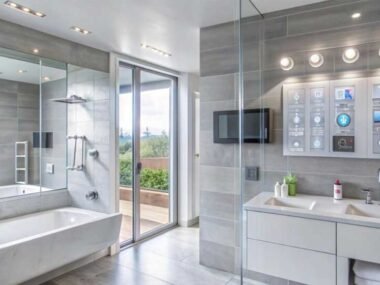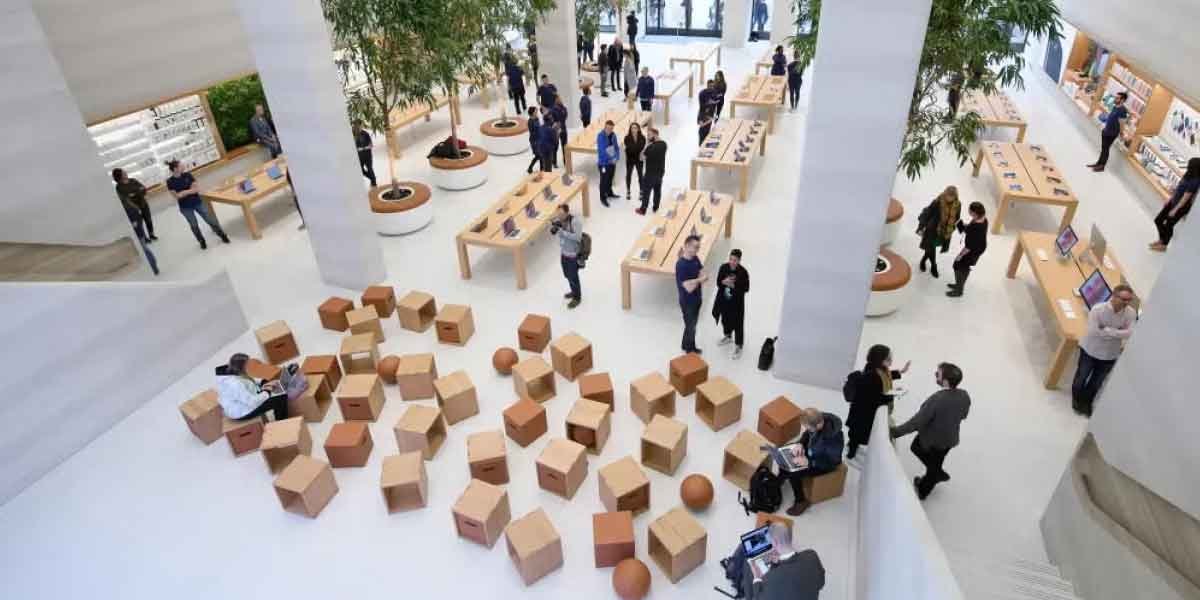
As the built environment evolves to meet the demands of sustainability, efficiency, and human-centric comfort, building services design has moved beyond technical compliance. Today’s intelligent buildings fuse creativity with engineering precision to deliver spaces that are efficient, adaptable, safe, and inspiring.
At the heart of this evolution is a creative framework that rethinks how building systems are conceived, coordinated, and delivered. This article explores that framework, revealing how thoughtful design transforms mechanical, electrical, and environmental systems from functional requirements into strategic assets.
What Is Intelligent Building Services Design?
Intelligent building services design refers to the holistic planning and integration of systems that support a building’s performance, comfort, safety, and environmental footprint. These systems include heating, ventilation and air conditioning (HVAC), lighting, power distribution, fire protection, vertical transportation, controls and automation, and indoor air quality.
A well-designed system is more than efficient. It supports occupant wellbeing, minimizes operational costs, and aligns with long-term organizational goals. This is not achieved through engineering alone. Rather, it requires creativity, collaboration, and a deep understanding of how spaces are used and experienced.
Step 1: Understanding Context and Objectives
Great design begins with clarity of purpose. Before drawing sketches or specifying components, designers must understand:
- The building’s function and use cases
- Occupant needs and expectations
- Environmental and sustainability targets
- Operational and maintenance objectives
- Regulatory and safety requirements
By aligning these factors early, designers can prioritize approaches that balance performance with aesthetics and occupant experience.
For example, in commercial offices, priorities may include healthy indoor air quality, flexible zones, and energy performance. In healthcare facilities, priorities expand to include infection control, redundancy, and stringent air handling standards.
Step 2: Integrating Systems Rather Than Isolating Them
Traditional design often treats building systems as discrete pieces: HVAC in one silo, lighting in another, fire protection separate still. The creative framework of intelligent design rejects this compartmentalized approach.
Instead, systems are designed to work in harmony. Integrated design enables:
- Shared sensors and controls for unified data streams
- Coordinated responses to occupancy and environmental conditions
- Reduced duplication of infrastructure
- Smaller installation footprints with clearer maintenance pathways
This collaborative ethos requires multidisciplinary teams and often involves early workshops where architects, engineers, and clients collaborate from the outset.
Step 3: Prioritizing Human Experience
Design is ultimately about people. Intelligent building services are invisible when they work correctly, yet profoundly impact comfort, productivity, and wellbeing.
Features that enhance human experience include:
- Thermal comfort through responsive HVAC strategies
- Balanced ventilation that maintains healthy indoor air quality
- Lighting systems that mimic natural daylight cycles
- Acoustic design that reduces noise and enhances privacy
- User-friendly controls that empower occupants
These elements must be designed with empathy and insight into how humans interact with their environments.
Step 4: Embracing Innovation and Technology
Intelligent buildings leverage emerging technologies to optimize performance and responsiveness. Tools such as digital twin modelling, building automation systems, machine learning algorithms, and smart sensors allow real-time optimization and predictive adjustments.
When designers embrace these innovations, buildings can:
- Automatically adapt to occupancy patterns
- Predict energy demand and adjust systems proactively
- Diagnose faults before they become failures
- Provide actionable insights through dashboards and analytics
These technologies require thoughtful integration rather than afterthought implementation.
Step 5: Designing for Flexibility and Future Growth
Buildings today must be ready for tomorrow’s unknowns. Whether it’s a new office layout, higher ventilation standards, or changing occupancy trends, flexibility must be designed in from the beginning.
Creative frameworks in design emphasize modular systems, scalable controls, and accessible infrastructure that can be reconfigured without major disruption.
One crucial area where adaptability matters is local exhaust ventilation design. Forward-thinking clients and designers often work with specialists in LEV Design to ensure extraction systems are effective, maintainable, and adaptable as building use changes over time.
Step 6: Sustainability as a Core Principle
Sustainability is no longer a trend. It is a fundamental design criterion. Building services design has a profound impact on energy consumption and environmental performance. Reductions in emissions and operating costs begin with intentional design that embraces:
- High-efficiency HVAC components
- Energy recovery and heat exchange systems
- Low-impact materials and refrigerants
- Renewable energy integration
- Demand-based controls and zoning
When sustainability is central to the creative framework, buildings perform better financially and environmentally throughout their lifecycles.
Step 7: Collaboration and Continuous Feedback
The creative framework is iterative. Once systems are in place, feedback from performance metrics and occupants informs future adjustments and refinements.
Continuous commissioning, data analytics, and active engagement with building users ensure that the design evolves with real-world use. This feedback loop bridges the gap between design intent and operational reality.