Art has a funny way of changing how a home feels. Not in a dramatic, museum-on-the-wall way, but in that subtle shift where a room suddenly feels finished, intentional, and lived in. The right pieces do not shout for attention. They settle in, make themselves useful, and quietly pull the whole space together. When people talk about homes that feel elevated, they are usually responding to art choices that feel confident rather than decorative for decoration’s sake. The styles below have a track record for doing exactly that, no theatrics required.
Large Scale Abstracts That Set the Tone
There is a reason large abstract art keeps showing up in rooms that feel polished but relaxed. Scale does a lot of the heavy lifting here. One well-chosen piece can anchor a space in a way that multiple smaller works cannot, especially in open living areas or rooms with high ceilings. Abstracts work because they suggest mood instead of dictating it. Color, texture, and movement become the focus, which lets the room breathe.
Homes feel elevated when the art does not compete with furniture or architecture. A large abstract above a sofa or bed gives the eye a place to land without overwhelming everything else. Neutrals with depth tend to age well, but even bolder palettes can feel timeless when the composition is balanced. This style rewards confidence. Pick a piece that makes you pause, not one you feel obligated to explain.
Original Paintings That Bring Real Character
There is something unmistakable about living with real art made by a real person. Even if a guest cannot put their finger on why a room feels different, they usually sense it. Original art paintings for sale bring depth that reproductions struggle to match, from brushstrokes you can see to colors that shift slightly as the light changes throughout the day.
These pieces do not need to be precious or formal to elevate a home. In fact, they often work best when they feel approachable. A landscape in a hallway, a still life in the kitchen, or a figurative piece tucked into a reading nook can add warmth without trying to impress. Original work carries a sense of intention, and intention is one of the fastest ways to make a home feel thoughtfully designed rather than assembled.
Textural Wall Art That Adds Quiet Depth
Not every elevated space relies on color or imagery. Texture can do just as much, sometimes more. Woven pieces, sculptural wall hangings, and mixed-material art introduce dimensions that flat surfaces often lack. These styles shine in rooms that lean minimal or neutral, where texture becomes the visual interest instead of pattern.
Textural art also plays well with natural materials like wood, linen, and stone. It softens modern interiors and adds richness to traditional ones. The key is restraint. One or two well-placed pieces create a sense of depth without cluttering the wall. When texture is used thoughtfully, it makes a room feel layered and considered, not busy.
Custom Typography and Woodwork With Meaning
Personal touches tend to elevate a home when they feel intentional rather than trendy. Thoughtfully designed custom wooden signs or typographic pieces can strike that balance, especially when the design is restrained and the message feels authentic. The material matters here. Wood brings warmth and permanence, which keeps personalized art from feeling temporary or overly themed.
This style works best when it supports the mood of the room instead of trying to steal the spotlight. A simple phrase in an entryway, a family name rendered in a classic typeface, or a meaningful date displayed with subtle craftsmanship can feel elevated rather than sentimental. When personalization is done with quality materials and clean design, it reads as confident and timeless.
Curated Gallery Walls That Feel Effortless
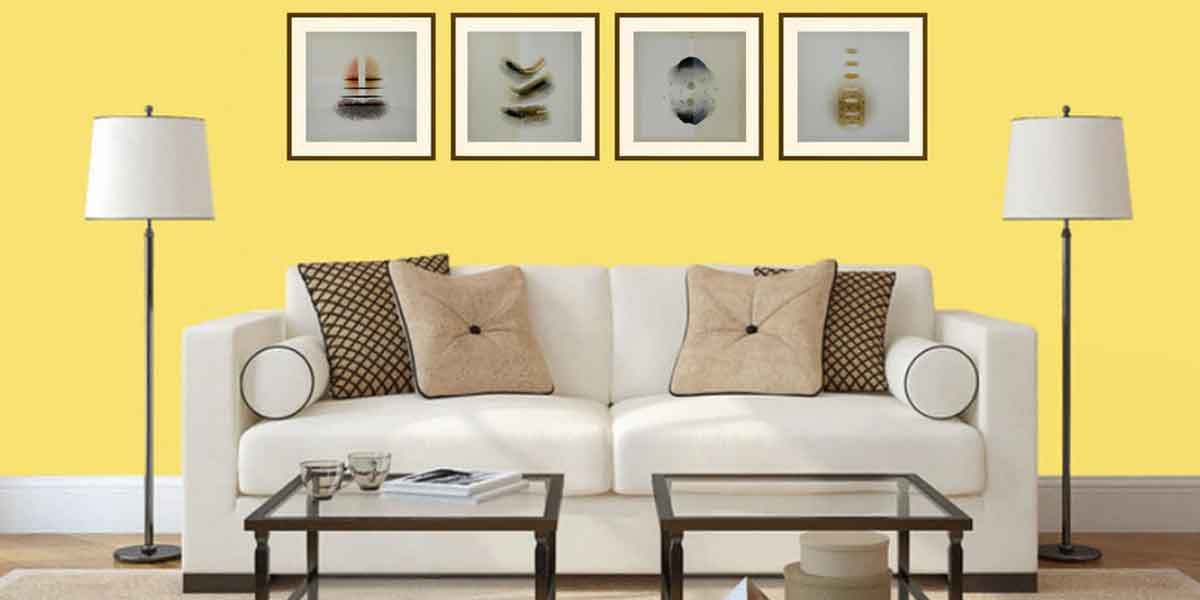
Gallery walls have a reputation for being tricky, but when done well, they can elevate a space more than almost any single piece. The secret is cohesion. That does not mean everything needs to match, but there should be a common thread, whether that is color palette, frame style, or subject matter.
Homes that pull this off tend to mix art styles with intention. A photograph next to a small painting, paired with a sketch or print, can feel collected over time rather than arranged all at once. Spacing matters more than perfection. When the layout feels relaxed and balanced, the wall reads as confident and personal. That sense of ease is what makes it feel elevated rather than overdesigned.
Sculptural and Three Dimensional Art That Breaks the Flatness
Walls are not the only place art can live. Sculptural pieces, whether freestanding or wall-mounted, add an unexpected layer to a room. Ceramic forms, carved objects, and metal sculptures introduce shape and shadow, which gives the space visual movement throughout the day.
These pieces often work best when given room to breathe. A single sculptural object on a console or shelf can carry more presence than several smaller items grouped together. Three dimensional art encourages the eye to move around it, which subtly energizes a room. That sense of motion and depth is part of what makes a space feel elevated and thoughtfully styled.
The Lasting Impression
Elevated homes rarely rely on one perfect piece. They feel cohesive because the art choices reflect intention, confidence, and a willingness to let fewer items do more work. Whether it is a large abstract, a meaningful original painting, or a tactile piece that adds depth, art earns its place when it contributes to how a space feels day to day. When you choose styles that resonate with you and give them the space they deserve, the result is a home that feels finished without ever feeling forced.