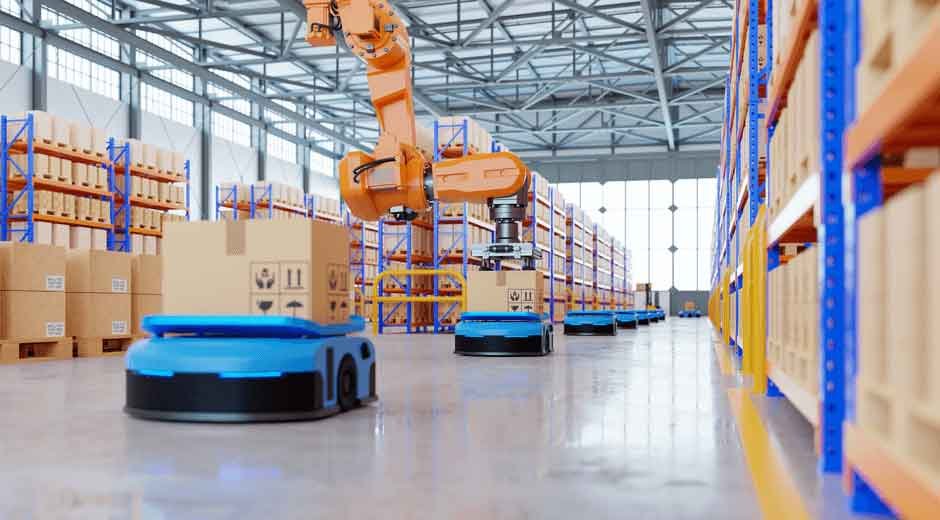
Warehouses have changed. They are no longer just storage spaces with shelves and forklifts. They are fast-moving hubs that depend on technology, safety systems, and efficient workflows to function well.
As demand rises and margins tighten, small upgrades can make a real difference. Not cosmetic changes. Practical improvements that reduce risk, improve productivity, and support workers every day.
This article looks at smart warehouse upgrades that go beyond the basics and focus on long-term performance.
Why “Good Enough” Warehouses Fall Behind
Many warehouses still rely on setups designed years ago. The layout works, but barely. Equipment functions, but slowly. Safety measures exist, but feel reactive.
The problem is not neglect. It is evolution. Warehouses now handle higher volumes, tighter delivery windows, and more complex inventory systems.
When systems lag, mistakes increase. Downtime grows. Injuries become more likely. Efficiency drops quietly, then all at once.
Upgrading with intention prevents that slide.
Visibility and Control Start With Better Displays
Warehouse operations rely on real-time information. Inventory levels. Order status. Equipment diagnostics. Routing instructions.
Standard office screens struggle in industrial settings. Glare, dust, vibration, and temperature swings shorten their lifespan and reduce visibility.
That is why many facilities are turning to rugged monitors designed for warehouse floors. These displays are built to handle impact, poor lighting, and constant use without failure.
Clear visibility reduces errors. Workers do not have to guess or walk back to terminals. Supervisors see issues as they happen, not after the fact.
Smarter Lighting Improves Accuracy and Safety
Lighting affects more than visibility. It affects mood, accuracy, and fatigue.
Many warehouses still rely on uneven or outdated lighting. Dark aisles. Glare near loading docks. Flicker that workers stop noticing but still feel.
Upgrading to consistent, high-efficiency LED lighting improves picking accuracy and reduces eye strain. Motion-sensor systems also reduce energy use in low-traffic areas.
Better lighting lowers the risk of slips, trips, and misreads. Those small improvements add up quickly.
Air Quality Is a Safety Issue, Not a Comfort Perk
Air quality is often overlooked in warehouses. Dust, fumes, and airborne particles build up slowly. Workers adapt, until they cannot.
Poor air quality affects focus, health, and long-term absenteeism. It also increases equipment wear and contamination risks.
According to the Occupational Safety and Health Administration, airborne contaminants contribute to thousands of workplace illnesses each year, especially in industrial environments.
Modern air cleaning systems address this directly. Solutions from companies like Zehnder are designed specifically for industrial spaces, helping remove particles before they circulate.
Cleaner air supports alertness and reduces respiratory strain. Over time, it also supports retention.
Floor Markings and Visual Guidance Matter
Warehouses are busy environments. People, machines, and goods move constantly.
Clear floor markings reduce confusion. They define walkways, equipment zones, and danger areas. Visual cues guide behavior without constant supervision.
High-contrast markings last longer and remain visible even under heavy use. When layouts change, modular systems allow updates without major downtime.
Clear guidance prevents accidents before they happen.
Ergonomic Upgrades Reduce Long-Term Costs
Injuries are expensive. Not just financially, but operationally.
Ergonomic improvements reduce strain on workers. Adjustable workstations. Lift assists. Proper material heights. Even small changes lower injury rates.
According to the Bureau of Labor Statistics, overexertion and repetitive motion injuries are among the leading causes of warehouse-related lost workdays.
Supporting the body supports productivity. Workers last longer. Training costs drop. Morale improves.
Smarter Layouts Improve Flow
Efficiency is often a layout problem, not a staffing problem.
Poor layouts force unnecessary movement. Workers walk too far. Equipment crosses paths. Bottlenecks form during peak hours.
Re-evaluating layout based on actual workflows helps. Place high-turn items closer to shipping. Separate pedestrian and equipment traffic. Reduce cross-aisle congestion.
Layout changes do not always require construction. Sometimes they require better data and fresh perspective.
Predictive Maintenance Prevents Downtime
Reactive maintenance costs more than planned maintenance. Equipment failures stop work at the worst moments.
Sensors and monitoring tools now allow predictive maintenance. Machines signal wear before failure. Alerts trigger service at the right time.
This approach extends equipment life and reduces emergency repairs. It also improves safety by preventing sudden breakdowns.
Predictability supports planning.
Digital Signage Improves Communication
Warehouses depend on communication. Shift changes. Safety alerts. Performance metrics.
Digital signage placed in common areas keeps everyone informed without meetings or paperwork. Messages update instantly. Metrics stay visible.
When communication improves, mistakes drop. Workers feel more connected to the operation.
Security Upgrades Protect People and Inventory
Security is not just about theft. It is about awareness.
Modern camera systems, access controls, and monitoring tools improve visibility across large spaces. They also help investigate incidents quickly and fairly.
Security upgrades protect assets and reduce liability. They also make workers feel safer.
Training and Technology Must Align
Technology alone does not improve operations. People must understand it.
Training should evolve with upgrades. Simple interfaces. Clear procedures. Ongoing refreshers.
When workers trust systems, they use them correctly. When systems feel confusing, people bypass them.
Alignment matters.
Small Upgrades Create Compound Gains
No single upgrade fixes everything. The power lies in combination.
Better displays reduce errors. Cleaner air improves focus. Lighting boosts accuracy. Ergonomics reduce injuries. Layouts improve flow.
Each improvement supports the next.
Over time, the warehouse becomes safer, faster, and easier to manage.
Final Thoughts
Smart warehouse upgrades are not about chasing trends. They are about solving real problems with practical tools.
When safety improves, efficiency follows. When systems support workers, performance improves naturally.
Warehouses that invest thoughtfully do more than keep up. They stay ahead.