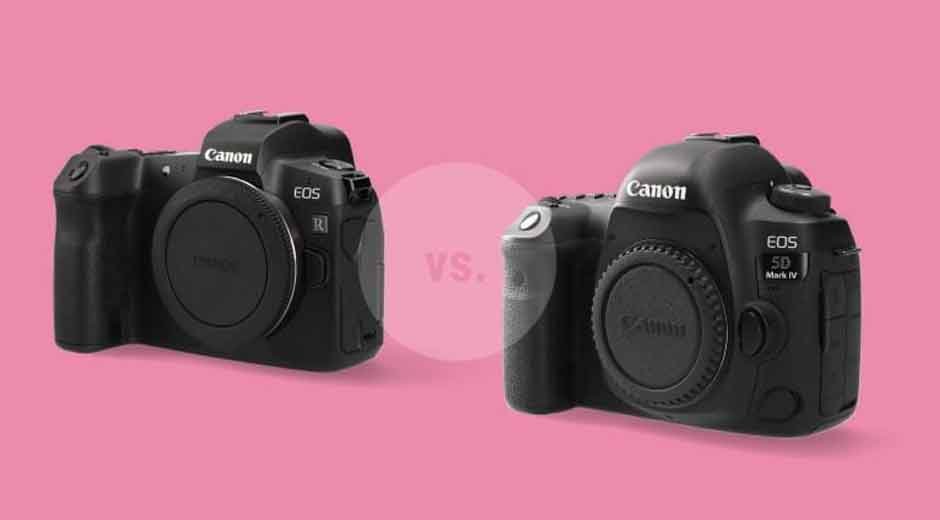
Photography has evolved dramatically over the last decade. And by 2025, the shift is clearer than ever: mirrorless cameras are rapidly becoming the preferred choice for creators, professionals, and even casual tech users.
But despite the trend, many people still wonder — Is mirrorless really better than a DSLR? And more importantly, which one makes the most sense for photographers in today’s fast-changing digital world?
Well, no doubt, DSLRs were once the industry standard. They dominated photography for years and earned the trust of professionals because of their durability, optical viewfinders, and reliable performance. But as technology advanced, camera makers started pushing the boundaries of speed, portability, autofocus, and video innovation — and that is where mirrorless models gained momentum.
In 2025, both options still exist, but camera manufacturers and users are now leaning heavily toward mirrorless systems. If you’re thinking of upgrading or choosing between the two, understanding the major differences can help you make the smartest, most future-proof decision. So, dive into the article!
1. Image Quality and Sensor Performance
One of the biggest reasons tech users are shifting toward mirrorless cameras is the major improvement in sensor quality and processing technology. This gives them the advantage in:
- Low-light performance,
- Color accuracy,
- Dynamic range, and
- Detail clarity.
Moreover, mirrorless technology has become far easier for users to explore today. Most tech enthusiasts begin comparing different systems by browsing mirrorless camera options on trusted retailers such as Adorama, where the selections are organized by features that matter in 2025. This helps users understand not just which model is better, but which one aligns with their style of shooting and long-term goals.
Meanwhile, DSLR development has slowed. Most brands are no longer releasing new DSLR bodies, and the latest improvements are happening almost exclusively in the mirrorless space. So, while DSLRs still produce excellent images, mirrorless models in 2025 simply offer more refined and future-ready performance.
2. Autofocus, Speed, and Tracking
Autofocus speed is one of the biggest game-changers of modern photography. Mirrorless cameras use advanced on-sensor phase detection, giving them:
- Faster autofocus.
- Better face and eye detection.
- Superior object tracking.
- More accuracy in low light.
DSLRs rely on separate autofocus modules, which, although reliable, are nowhere near as smart or fast as the AI-powered systems inside today’s mirrorless models. This matters especially for tech users who shoot:
- Street photography.
- Action or sports.
- Pets or wildlife.
- Events.
- Beauty content.
- Everyday vlogging.
The ability to lock onto subjects instantly means fewer missed moments and more consistent results.
3. Size, Weight, and Everyday Usability
One of the biggest advantages mirrorless models have always had is portability, and it remains true in 2025. Without the mirror and prism mechanism, the camera bodies are smaller, lighter, and easier to carry for long periods.
This makes mirrorless the preferred choice for:
- Travelers.
- Content creators.
- Students.
- Parents.
- Hobbyists.
- Anyone who doesn’t want a heavy bag.
DSLRs still feel solid and sturdy, but the weight can become a burden — especially when paired with large lenses. As more people create content daily, portability has become a major selling point.
Mirrorless systems are also more ergonomic and feature modern touches like:
- Fully articulating touchscreens.
- Larger electronic viewfinders.
- Improved stabilization.
- USB-C charging.
- Better connectivity (Wi-Fi 6, Bluetooth 5.3, cloud backups).
These small conveniences add up for tech users who value efficiency and flexibility.
4. Video Capabilities
If there is one area where mirrorless cameras dominate undeniably, it’s video. In 2025, most DSLRs cannot compete with the advanced video specs that mirrorless bodies now offer.
These cameras provide:
- 4K to 6K recording options.
- Higher frame rates.
- Cleaner slow-motion footage.
- Better in-body stabilization.
- Superior color profiles.
- Advanced autofocus during video.
- Wider lens compatibility for cinematic shots.
DSLRs were designed primarily for photography, and their video capabilities have not evolved at the same pace. On the other hand, the former are built with hybrid shooters in mind — perfect for creators who switch between photos and video frequently.
All in all, for beauty creators, vloggers, educators, and professionals, mirrorless video performance is unmatched.
Conclusion to Draw!
In a world where speed, clarity, portability, and video quality matter more than ever, mirrorless cameras stand clearly ahead of traditional DSLRs. They’re lighter, smarter, faster, and designed for the future of digital content creation.
If you’re a modern tech user ready to elevate your photography or want gear that’s built for the next decade, mirrorless is the smarter investment. With refined sensors, advanced autofocus, and ongoing innovation, such cameras continue to shape the future — one frame at a time.