Planning a wedding feels like crafting a story—one that reflects two people’s personalities, tastes, and dreams. Every color, flower, and song tells a piece of that story. But when it comes to the menu, the choices can feel more personal than ever, especially when trying to make sure the food complements the celebration perfectly.
Many couples spend hours choosing their theme, from rustic garden charm to timeless elegance. Yet, the menu often becomes an afterthought, even though it plays a central role in the guest experience. The right dishes can enhance the mood, tie the theme together, and create memories that last beyond the big day.
Whether the celebration is intimate or grand, couples in search of wedding catering in Singapore often discover that well-matched food elevates not only the event but also how guests remember the occasion. The secret lies in creating harmony between the visual and the flavorful—from the first toast to the final dessert.
Creating Harmony Between Theme and Taste
When the wedding theme and menu go hand in hand, the entire celebration feels seamless. It’s not only about serving delicious food but presenting it in a way that echoes the theme’s tone, color, and story.
Considering the Overall Mood
Every wedding theme carries a unique mood. A beach wedding calls for fresh, light flavors and breezy presentations, such as citrusy seafood or tropical fruits. In contrast, a formal ballroom affair fits better with elegant, plated meals and fine wines. The feelings that each theme evokes—joy, romance, nostalgia, or simplicity—can guide the food choices.
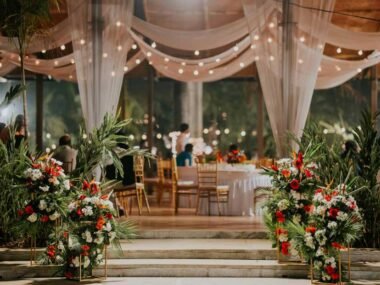
Couples can think of the menu as the soundtrack of their reception. It sets the pace and tone of the evening. A rustic countryside celebration with wooden décor and floral garlands might feel incomplete without hearty comfort food like roast meats and artisanal breads. Meanwhile, a modern minimalist style might shine best with a curated fusion menu and sleek plating.
Reflecting Cultural or Personal Significance
Food often carries emotional and cultural meaning, which makes the menu a natural extension of the couple’s story. If one partner has roots in a particular culture, weaving in those flavors adds authenticity and warmth. A multicultural celebration could alternate between cuisines, offering guests a symbolic taste of both sides of the family.
Even a small personal detail, such as a family recipe or a favorite late-night snack, can make the menu more meaningful. When guests taste something connected to shared memories, it becomes more than just food—it becomes part of the love story.
Balancing Presentation and Practicality
The presentation captures the theme visually, but practicality ensures guests enjoy every bite. While intricate plating looks stunning, overly complex dishes may lose their charm once served to a large crowd. The best approach is to find a middle ground between beauty and function.
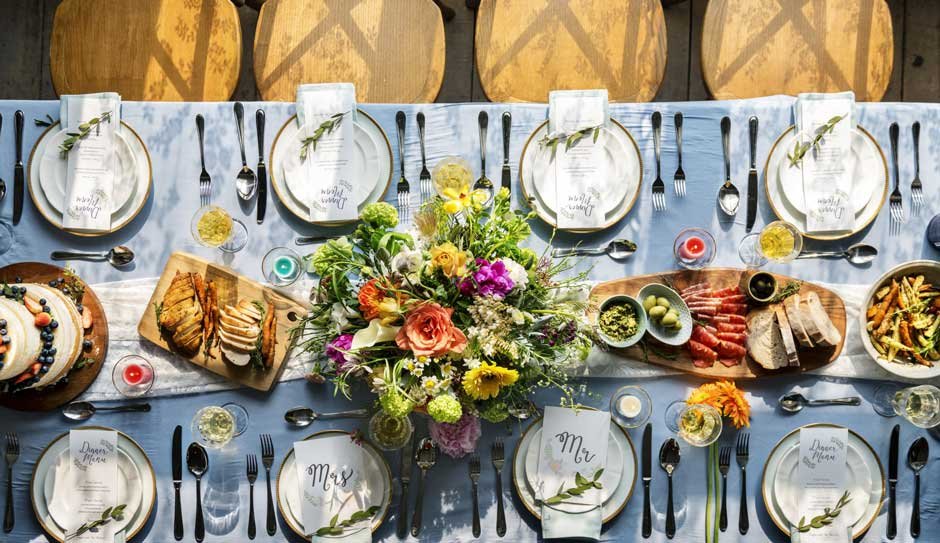
For example, buffet setups with themed décor can be just as polished as plated dinners. Wooden serving boards for rustic themes or marble displays for modern styles tie everything together effortlessly. The goal is to create a feast that pleases the eyes as much as the palate while keeping the experience smooth for both guests and caterers.
Pairing Food With Venue and Season
The venue and season often act as silent partners in shaping the perfect menu. When chosen wisely, they add depth to the theme and help avoid logistical slip-ups or mismatched dishes.
Matching Menu With Venue Atmosphere
Every venue carries its own personality. An outdoor garden wedding, with its fresh air and natural charm, naturally pairs well with light bites, salads, and grilled selections. These dishes suit the relaxed, joyful vibe and are easier to enjoy in the open air.
On the other hand, a ballroom reception calls for something more refined, like multi-course dinners or elegant canapés. The structure and ambiance of the venue influence not just what food tastes best there, but how it feels to eat it. When food complements the surroundings, guests experience the event as one harmonious moment rather than separate parts.
Adapting Menu to the Season
Seasons influence ingredient availability and guest preferences. A summer wedding might feature cool, refreshing dishes with fruits or seafood, while a winter celebration calls for comforting flavors and warm, hearty meals. Using seasonal ingredients not only ensures better taste but also aligns with sustainability and freshness.
In tropical climates, where the warmth lasts year-round, thoughtful menu planning focuses more on balancing light and rich flavors. Cold appetizers or beverages, for instance, can help guests stay comfortable while adding a festive touch. Thoughtful adjustments based on weather and timing show attention to detail that guests always remember.
Crafting a Cohesive Dining Experience
In the end, a wedding menu should do more than fill plates—it should complete the story the couple wants to tell. When every detail, from table décor to menu choices, comes together, the celebration feels cohesive and heartfelt.
Couples who work closely with their caterers often discover new possibilities that blend creativity with practicality. Professional guidance can transform ideas into experiences, ensuring every dish fits perfectly within the chosen theme. It becomes less about following trends and more about designing a menu that feels personal and timeless.
A thoughtful approach to food planning shows that love can be expressed in many ways—through taste, design, and genuine care for how others experience it. When the food resonates with the theme, guests leave not just full but touched by the meaning behind every bite.