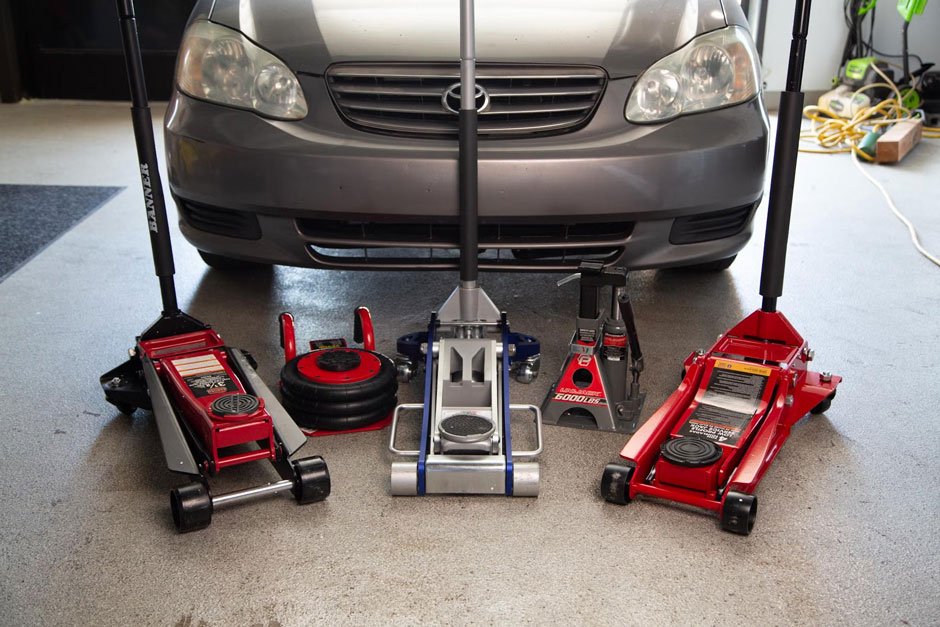
 Choosing the right car jack air makes vehicle maintenance faster, safer, and far less stressful. The best choice depends on weight capacity, lift range, and build quality that match the specific vehicle. A proper jack not only raises the car quickly but also provides the stability needed for safe work underneath.
Many drivers overlook the importance of matching a jack to their car’s size and clearance. A model with the wrong height range may not even fit under the frame, while one with too little lifting power can create safety risks. By focusing on the right specifications, anyone can avoid wasting money and gain a tool that works every time it is needed.
This guide explains the key factors to look at, compares air jacks with other types, and highlights how each feature affects performance. With the right information, the process of choosing becomes straightforward and practical.
Important Factors When Choosing a Car Jack Air
Selecting the right air jack depends on the vehicle’s weight, clearance needs, jack type, and safety features. Each factor directly affects how well the tool performs and how safe it is during use.
Vehicle Compatibility and Weight Capacity
A car jack must match the weight of the vehicle it will lift. Most passenger vehicles fall under 3 tons, but trucks and SUVs may require higher capacity. Choosing a jack with extra lifting power creates a margin of safety and prevents strain on the equipment.
For example, a heavy-duty car jack air can handle larger vehicles and frequent use in garages or workshops. Capacity ratings usually range from 2 to 3 tons for standard models, while stronger versions support up to 6,600 lbs.
Weight distribution also matters. A vehicle’s front or rear may be heavier, so the jack must support uneven loads without losing stability. Buyers should always compare the gross vehicle weight rating (GVWR) with the jack’s maximum capacity.
Lift Height and Clearance Requirements
Lift height determines how much access a person has under the vehicle. Most air jacks raise between 5.5 and 17.7 inches, which covers tire changes and brake work for most cars. Taller vehicles like SUVs may need greater lift range for suspension or exhaust repairs.
Minimum clearance is equally important. A jack that cannot slide under a low car is useless for that vehicle. Compact sedans often require a jack with a starting height under 6 inches, while trucks can accommodate taller models.
Owners should measure both the lowest point of their vehicle and the maximum clearance needed for planned maintenance. Matching these numbers with the jack’s specifications prevents wasted money on a tool that does not fit.
Air Jack Types and Mechanisms
Air jacks differ in design, and each type suits different needs. Triple-bag systems provide fast lifting with strong stability, while single-bag models are lighter but less steady. Some come with wheels or adjustable handles for easier positioning in tight spaces.
The operation depends on compressed air. Most models need 90–120 PSI, though some heavy-duty versions require more. Buyers should confirm their compressor can meet the pressure demands before purchase.
Durability also varies by material. High-strength steel and thick rubber bags last longer under frequent use.
Safety Features and Usage Best Practices
Safety features protect both the user and the vehicle. Non-slip rubber pads reduce movement, while built-in valves control inflation and descent. Some jacks also include stabilizers that balance weight across the base.
Even with these features, users should always support the vehicle with jack stands before working underneath. Air jacks are designed for lifting, not long-term holding.
Proper maintenance extends safety as well. Regular inspection for leaks, damaged seals, or worn rubber prevents accidents. Clear labeling of valves and controls also reduces mistakes during operation.
Comparing Car Jack Air With Other Jack Types
Air jacks use compressed air to lift vehicles quickly, but their design and function differ from other common jacks. Each type offers unique benefits and drawbacks depending on vehicle size, storage needs, and how often the jack will be used.
Air Jacks vs Hydraulic Jacks
Hydraulic jacks use fluid pressure to lift heavy loads. They usually provide smooth lifting and can hold weight steadily once raised. Air jacks, on the other hand, rely on compressed air to inflate a lifting bag or chamber.
Air jacks tend to raise vehicles faster than hydraulic models. However, they require an air compressor, which adds cost and limits use in remote locations. Hydraulic jacks can work independently without extra equipment.
Hydraulic jacks often support higher weight capacities. For heavy trucks or larger SUVs, a hydraulic jack may be more practical. Air jacks are lighter and easier to move, making them better for quick roadside jobs.
In terms of maintenance, hydraulic jacks may need fluid checks and seal replacements. Air jacks mainly need inspection for leaks or damage to the bag material.
Air Jacks vs Floor Jacks
Floor jacks are a type of hydraulic jack mounted on wheels with a long handle. They slide under vehicles easily and provide a wide lifting range. Many low-profile floor jacks fit under cars with limited clearance, something air jacks may struggle with if they have a larger base.
Air jacks usually lift faster, often in seconds, while floor jacks require pumping the handle. For frequent shop use, a floor jack offers more stability and precision. Air jacks are better for speed and portability.
Floor jacks can weigh more and take up more storage space. Air jacks are lighter and easier to transport, but they depend on an air source. For garage work, a floor jack may be more practical. For roadside use, an air jack can save time.
Air Jacks vs Bottle Jacks and Scissor Jacks
Bottle jacks use hydraulic pressure in a compact cylinder. They can lift heavy loads and reach higher lift points, but they need more clearance under the vehicle. Air jacks work better for cars with low ground clearance because they inflate quickly under the frame.
Scissor jacks are common in spare tire kits. They use a screw mechanism that requires manual effort. While they are small and easy to store, they take more time and strength to operate. Air jacks reduce physical effort and lift much faster.
Bottle jacks are stable on flat surfaces but less safe on uneven ground. Scissor jacks are mainly for emergencies and not frequent repairs. Air jacks balance speed and ease of use, though they are less precise than hydraulic options.
Each type has a place depending on the situation. Air jacks focus on speed and convenience, while bottle and scissor jacks focus on compact size and basic lifting needs.
Conclusion
Choosing the right air jack depends on matching the tool’s weight capacity, lift range, and safety features to the vehicle’s needs. A jack that supports more than the car’s weight and reaches the proper height will provide safer and more efficient use.
It also helps to consider ease of use, such as handle design or mobility features, since these details affect how practical the jack feels in everyday situations.
By comparing load limits, lift ranges, and build quality, drivers can select a model that fits both their vehicle and their repair habits. This approach makes the purchase more useful and dependable over time.