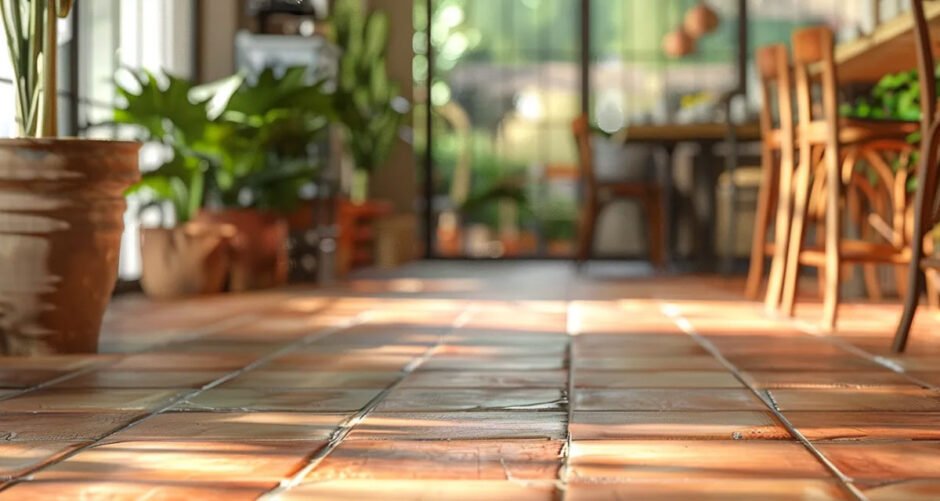
Choosing the right tile for flooring can significantly impact the overall look and durability of your space. Both terracotta and ceramic tiles offer unique advantages and challenges that can influence this decision. Understanding their differences will help you make a more informed choice.
In this article, we will compare these two popular tile options across several key factors, including durability, maintenance, design versatility, cost, and installation. This will guide you in choosing the most suitable option for your needs.
Terracotta vs Ceramic: A Flooring Comparison
Terracotta tiles are known for their earthy and natural appearance, making them a popular choice for rustic or traditional home interiors. Meanwhile, ceramic tiles offer a broader range of colors and patterns, providing greater design flexibility. Terracotta tiles are cherished for their unique aesthetic and charm.
One of the main differences lies in their composition. Terracotta is made from natural clay, often with no additional glazing, whereas ceramic tiles are made from refined clay and typically have a glazed surface, adding an extra layer of protection and color. The production process results in ceramic tiles being less porous and more water-resistant than terracotta.
When choosing between these two, consider the overall aesthetic and environment of the intended space. For areas prone to moisture, such as bathrooms and kitchens, ceramic tiles may be more suitable due to their water-resistant properties.
Durability and Maintenance of Tile Options
Durability is a critical factor when selecting flooring tiles. Ceramic tiles are typically more durable than terracotta and can withstand heavy foot traffic without significant wear and tear. Terracotta, while charming, can chip more easily and is more susceptible to damage over time.
Terracotta tiles require regular sealing to maintain their appearance and resist water damage. Without proper maintenance, they can darken or stain more easily. In contrast, ceramic tiles require less frequent maintenance, and simple cleaning with mild detergent is often sufficient.
For long-term investment, ceramic tiles might be a better choice because they offer longevity with minimal maintenance effort. Prioritizing durability and care will ensure your flooring remains attractive and functional for years. Check out this home maintenance guide for more tips on tile care.
Design Versatility in Floor Tile Choices
Design versatility is another aspect where ceramic tiles excel. With endless styles, colors, and finishes available, they can suit a wide range of aesthetic preferences and architectural styles. Terracotta tiles, while more limited in range, exude a rustic charm that is hard to replicate.
The wide array of ceramic tile designs makes them an excellent choice for various spaces, from contemporary lofts to minimalist offices. These tiles can mimic natural stone, wood, and even traditional patterns, offering great flexibility without compromising durability.
For those looking to achieve a certain aesthetic, exploring options from various manufacturers will provide inspiration and ideas for your unique project. Explore home remodeling ideas for more insights into design options.

Cost and Installation Considerations for Tiles
Cost is often a deciding factor, and ceramic tiles generally offer a more budget-friendly option compared to the often higher price of terracotta tiles. The production process of ceramic tiles is more streamlined, which can reduce overall costs.
Installation processes differ too. Terracotta tiles usually require expert installation due to their porous nature and the need for sealing, potentially increasing labor costs. Meanwhile, ceramic tiles, being more user-friendly, can often be installed by confident DIYers, further saving on expenses.
Weighing the overall cost against the expected lifespan and maintenance requirements can influence your decision. While upfront costs for terracotta might be higher, some may find the unique aesthetic and texture worth the investment.
Overall, deciding between terracotta and ceramic tiles depends on various factors such as durability, maintenance, design options, and cost. By thoroughly evaluating each aspect, you can select the flooring that best fits your needs and style.