There’s a moment when a backyard stops feeling cohesive.
Not because anything is obviously wrong—but because something doesn’t quite fit.
The furniture is in place. The lighting works. The layout makes sense. But the pool, instead of blending into the environment, starts to feel like something separate. Something that needs attention before it can be enjoyed.
That subtle disconnect is where most people start to notice the problem.
Why Pools Often Interrupt the Flow of a Space
Good outdoor spaces are designed to feel continuous.
You move from indoors to outdoors without thinking about it. From seating to water, from shade to sunlight. Everything feels connected.
But maintenance disrupts that flow.
A quick skim here. A check there. A moment where you stop and decide whether the water is “ready enough.”
That interruption—small as it seems—breaks the rhythm.
Instead of stepping into the space, you pause at the edge of it.
The Creative Problem Nobody Talks About
For people who care about how a space feels—not just how it functions—this becomes more than a maintenance issue.
It becomes a design problem.
The pool isn’t just a feature. It’s part of the visual language of the space. When it’s not consistently clean, the entire environment feels slightly off.
Edges lose their clarity. Reflections become dull. Surfaces stop looking intentional.
You can adjust everything else, but if the water isn’t right, the space doesn’t hold together.
Why Traditional Cleaning Breaks the Illusion
Most cleaning methods are reactive.
You notice something, and then you fix it.
But that means the space is always one step behind.
There’s always a moment—before cleaning, before guests arrive, before you sit down—when the pool isn’t aligned with the rest of the environment.
That gap is what creates the disconnect.
Even if it’s temporary, it’s enough to change how the space feels.
When Consistency Becomes More Important Than Effort
The shift isn’t about making cleaning easier.
It’s about making it invisible.
Instead of responding to problems, some systems maintain conditions continuously, keeping the pool aligned with the space at all times.
This doesn’t mean every pool needs that level of automation.
In smaller or low-use environments, occasional manual cleaning can still work. If conditions stay stable, the traditional approach can feel sufficient.
But once the environment becomes less predictable—more use, more debris, more variation—that approach starts to fall apart.
That’s when consistency becomes more valuable than effort.
Where Systems Start to Fit Into the Design
At a certain point, maintenance stops being a separate task and becomes part of how the space functions.
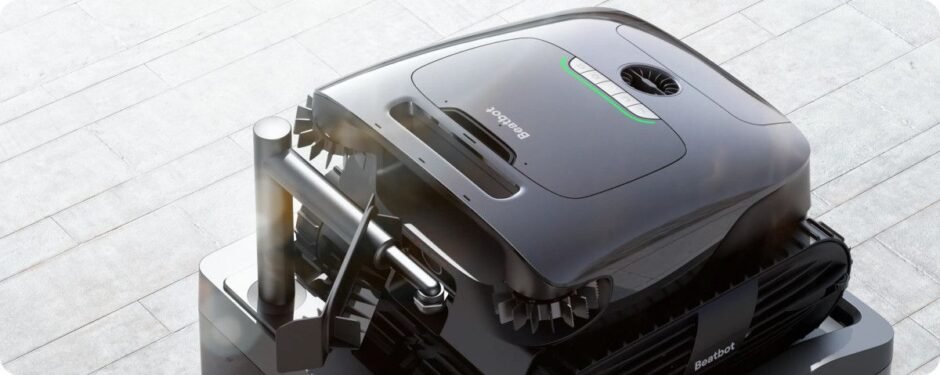
This is where systems like the Beatbot AquaSense X begin to make sense—not as an upgrade, but as something that allows the environment to stay visually consistent without interruption.
Rather than cleaning in moments, the system maintains surfaces, adjusts to conditions, and operates in the background.
The goal isn’t to improve the pool.
It’s to remove the moments where the pool doesn’t match the space.
Why Structure Matters More in Certain Pools
Not all pools behave the same.
Inground pools, especially those with steps, slopes, or more complex layouts, tend to amplify inconsistencies. Debris collects in specific areas. Certain sections require more attention than others.
Without consistent coverage, those differences become visible.
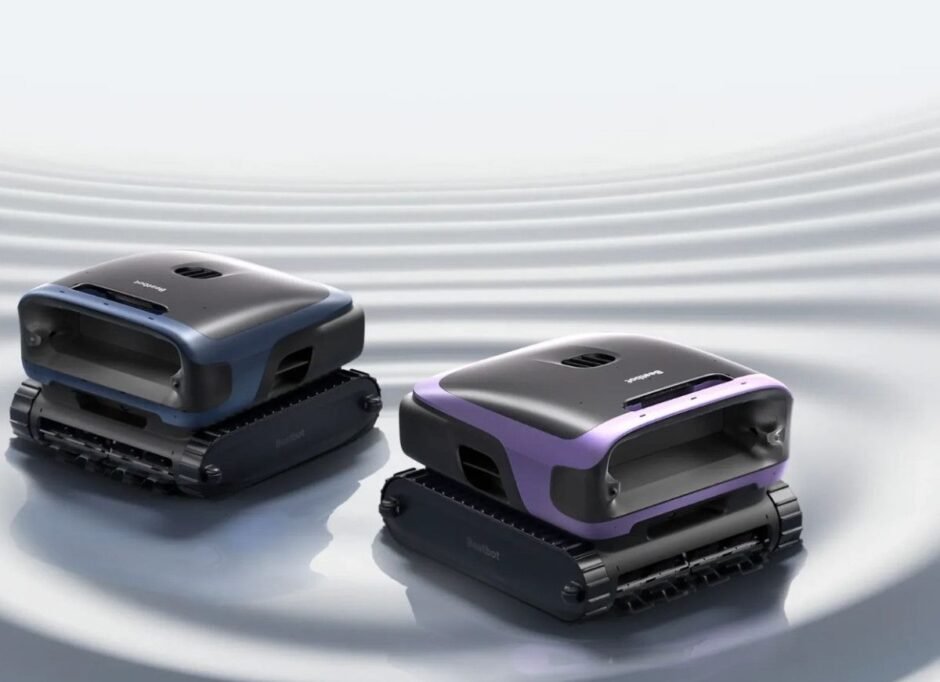
This is where a system like the Beatbot Sora 70 In-ground pool cleaner becomes relevant—not because it replaces effort entirely, but because it handles variation more evenly.
Instead of leaving certain areas behind, it maintains a balanced condition across the entire pool.
That balance is what keeps the space visually stable.
When You Stop Thinking About It
The most noticeable change isn’t what you see.
It’s what you stop noticing.
You stop checking the water before sitting down. You stop thinking about whether something needs to be done. You stop adjusting your use of the space based on the pool’s condition.
The pool simply fits again.
And when it does, the space feels complete.
Conclusion
The issue with most pool maintenance isn’t that it’s difficult.
It’s that it interrupts something that was meant to feel seamless.
When that interruption disappears, the change is subtle—but significant.
The pool stops feeling like something separate.
And starts feeling like it was always meant to be part of the space.