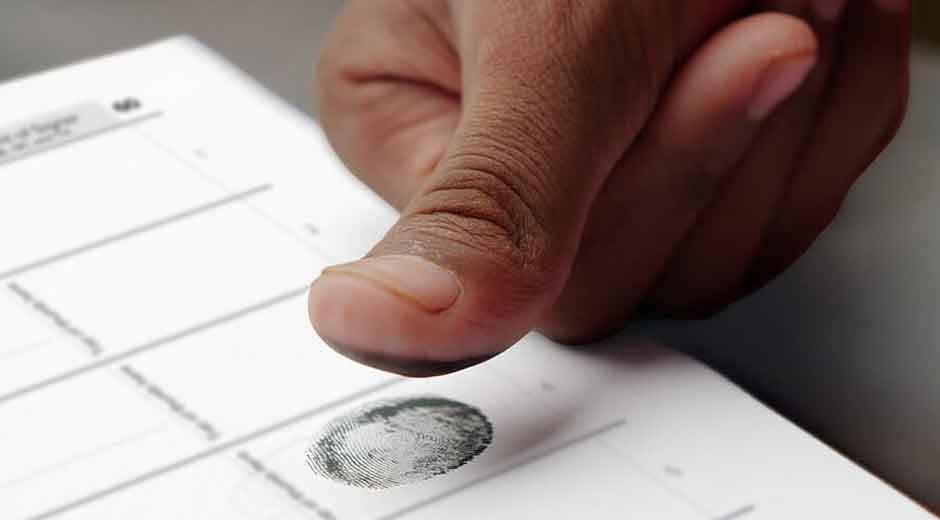
For many, getting something notarized is about someone watching you sign a document. However, beyond what’s visible to the average client is a world of best practices meant to protect them from fraud, ensure their legal rights and responsibilities are upheld, and that documents are reliable when they need to be.
When you learn what’s involved, it also makes more sense.
The Process is Not Just for Paperwork
Identity verification is not just an arbitrary process for the sake of crossing t’s and dotting i’s. It’s meant to protect everyone involved—from clients to notaries—to have a professional document through which they can prove they’ve gone through the steps. It’s not enough to look at an ID; it’s about what’s involved thereafter.
For example, a notary will ask for a government-issued form of ID. The typical answer would be a driver’s license or passport. The notary should also assess that the ID is legitimate without it being out of date. But they’re also looking for specific features like comparing the photo to the person’s face, assessing the signature—if applicable—and ensuring it’s current.
Notaries will ask security questions or request additional identification if something doesn’t quite seem right. It may not seem right at the time, but it’s protecting everyone. The notary ultimately has a legal document that says, “Yes, I’ve seen this person at this moment and verified they are who they say they are.” But people often don’t realize the weight of what that ultimately does for a notary, especially if there’s ever a question down the line about whether someone signed off on something; the notary can prove they verified that.
Why International Documents Rely on Such Verification
And when these documents go overseas, life becomes even more complicated. Foreign officials and institutions do not know you; they definitely don’t trust any random signature or print from half a world away.
Notary Public Adelaide professionals operate effectively because they understand both what’s needed from verification processes and what international documents require; they can save you time in the long run because they know what’s expected of foreign agencies and implement those requests from the get-go.
Every country is different; however, they all want the same expectation that whatever’s being sent has been signed legitimately by someone who actually exists, signified by the verified notary in international terms.
Where Fraud Prevention Comes Into Play
It’s also worth noting that your notary is trained to be a fraud prevention specialist as well, even though most people would overlook their verification process as ever preventing such nonsense from happening.
When property is bought or sold to avoid intercompany transfers or when an LLC wants its articles of organization restructured for new regulations, no one wants to find out later that someone was trying to sell property they didn’t own.
However, by attempting to forge identity recognition through a notary who’s trained in recognizing fake IDs and suspicious activity from their side would make it difficult for anyone to engage in such a scheme unless they were masterful. That’s ultimately what fraud prevention is going to avoid; it’s impossible for an unlikely scammer to get away with this type of offense without being 1 in 10,000 people.
The same applies to powers of attorney where one gives another legal authority over someone or something else; without effort like identity verification, someone could draft and present such items illegitimately—but the notary can recognize through proper verification that the person was there and acting in their best interest.
Business contracts operate similarly; when large sums of money are involved or significant obligations exist through documentation, it’s safe to assume all involved want to know that all parties actually exist and agreed upon such terms. But when notarized, it’s ensured.
The Legal Legitimacy of Verification
Which brings us to legal standing why you can better rely upon notarized documents versus signed documents. One reason is because they’ve gone through an identity verification process.
Without even getting into courts where notarization is often given preference over general signatures by government agencies who do not want to approve something easily forged (and get called out for it because they tried to conduct their own verification), it’s simply easier, quicker and a less challenging approach to receive when you can go this route.
If you ever need your notarization for litigation purposes, where one party vehemently challenges the document’s integrity, they’re going to need to prove the signature was illegitimate and that the notary failed in their assessments or was actively complicit in fraud. That’s a heavy reliance and added legitimacy against any challenger.
This approach also proves effective through practical purposes. Government agencies are quicker at processing effective submissions because they don’t need to conduct their own verification; banks are willing to accept documents without additional action and foreign agencies legitimately believe their information doesn’t require in-depth exploration.
It’s What Notaries Actually Look For Beyond
Often there are components of the verification process that people never think about but they’re actually part of what’s done—so much so that notaries are trained to look for situations of duress where someone may forcibly sign on behalf of someone else or doesn’t fully comprehend what’s happening.
People often take note with these conveniences; if someone can’t answer basic questions about their document or seems pressured into it, a good notary will stop the proceedings and ask more questions to protect someone who could later decide against what they’ve chosen.
Notaries are also there to recognize if someone’s clearly making a mistake or needs assistance either with mental capacity (especially with the elderly) or complicated legal/financial documents.
A record is kept every time a transaction is made. Notaries keep journals/registers which denote when documents are signed—who signed them, at what time—for future reference at any point needed down the line.
It’s an operational expense for both parties; for anyone concerned with legitimacy—they have a record. If questions come up years down the line about whether something legitimately occurred, that’s your answer—and a time/date stamped, verified interaction.
For the person who signed it, it can help say they didn’t sign something they’re accused of. For others accepting it, it says process went effectively and for the notary themselves, it protects otherwise pointless claims against them—and it happens almost every time.
Why You Should Not Roll Your Eyes
Yes, it takes a few extra minutes. Yes, you should always come prepared with identification in case your notary doesn’t have any stamps on hand—sometimes with travel if that’s their only job for that day—and that means answering questions and waiting while everything plays out.
But those minutes could save you months/years into your process down the line—for anything requiring notarization—from property issues/acts/separation agreements to critical legalities required for international efforts/powers of attorney.
This way you aren’t kicked back a million times without recourse because someone found fault—and your inclusion could significantly ease any hurdles that would otherwise bog you down when time isn’t on your side.
The effort is worth every additional step—which includes minor inconveniences because that’s practical security for your credibility. It makes sense for everyone involved that things that could otherwise be contested are stricter, more credibly established and guaranteed unless fraud happens by genuinely playing off how good an operation might be run without frills; that’s unlikely. Ultimately, it’s just easier this way without the nuance of professional identity verification working in your favor.