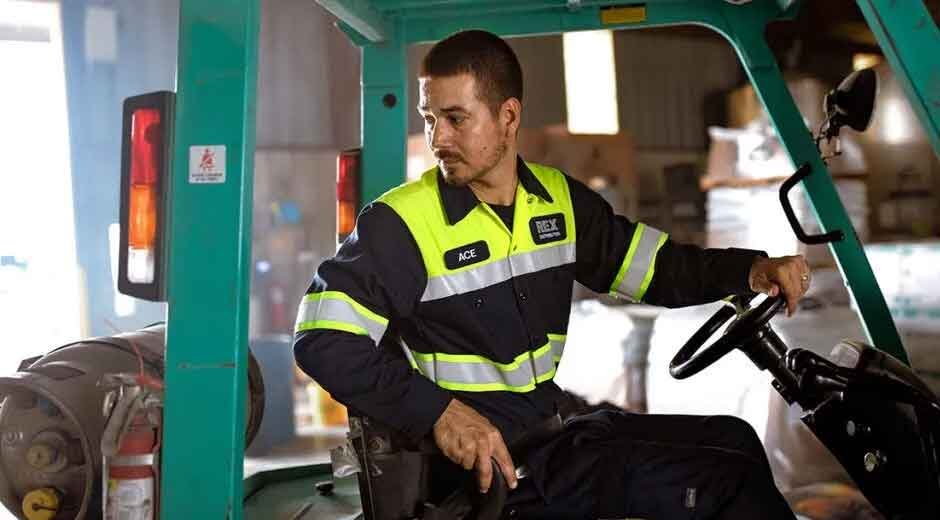
Uniforms are not just about appearance. For security professionals, law enforcement officers, and survival enthusiasts, clothing and gear are part of a working system. Each item serves a purpose. Protection. Mobility. Identification. Durability.
The right uniform setup supports performance under stress. The wrong one creates friction, fatigue, and risk. This article breaks down the essential uniform components that matter most in high-risk, high-demand environments.
Why Uniform Design Matters in High-Stakes Roles
People working in security or law enforcement operate in unpredictable conditions. Weather changes. Environments vary. Threat levels shift quickly.
Uniforms must support movement and protection without slowing the wearer down. They also signal authority and role clarity. In survival or preparedness settings, uniforms serve a similar function by providing reliability when resources are limited.
A uniform should never be an afterthought. It is part of operational readiness.
Protective Gear as the Foundation
Protection starts with armor. For professionals facing ballistic threats, body armor is not optional. It is a baseline requirement.
Modern armor systems balance protection and weight. Plate carriers allow users to scale coverage depending on the mission. In higher-risk scenarios, level 4 plates are used to stop armor-piercing rifle rounds. These plates are heavier, but they offer the highest level of ballistic protection available to civilians and professionals.
According to the National Institute of Justice, body armor has saved more than 3,600 law enforcement officers’ lives since it was introduced for regular duty use. That statistic underscores why armor remains central to uniform planning.
Durable Apparel for Movement and Endurance
Uniform clothing takes constant abuse. Kneeling. Sprinting. Climbing. Carrying weight. Cheap materials fail fast under these conditions.
Quality uniforms use reinforced seams, abrasion-resistant fabrics, and stretch panels where movement matters. Pants and shirts must handle friction without tearing. Breathability matters just as much as toughness, especially during long shifts or outdoor operations.
Moisture management is critical. Sweat buildup leads to discomfort and distraction. Good fabrics wick moisture and dry quickly, keeping the wearer focused.
Footwear That Supports Long Hours
Footwear is often underestimated. It should not be.
Security and law enforcement professionals spend hours on their feet. Survival enthusiasts cover uneven terrain. Poor footwear causes fatigue, joint pain, and injury.
Boots should offer ankle support, traction, and breathability. They must be broken in before use. A uniform fails if the wearer cannot move comfortably.
Load-Bearing and Storage Systems
Uniforms rarely work alone. They integrate with belts, vests, and carriers that distribute weight.
Duty belts hold essential tools. Plate carriers hold armor and pouches. Chest rigs support survival gear. These systems must balance accessibility and comfort.
Weight distribution matters. Poor balance strains the back and shoulders. Modular systems allow users to adjust setups as roles change.
Identification and Professional Visibility
Clear identification is important in both professional and preparedness contexts. It prevents confusion and improves coordination.
Uniforms often use patches, name tapes, and insignia to identify role, unit, or affiliation. Durable woven patches are commonly used because they hold detail well and withstand repeated wear, washing, and exposure.
Visibility also matters. In some roles, high-visibility elements improve safety. In others, subdued markings reduce attention. Uniform design must reflect the environment.
Weather and Environmental Protection
Uniforms must adapt to conditions. Cold. Heat. Rain. Wind. Dust.
Layering systems allow flexibility. Base layers regulate temperature. Mid-layers insulate. Outer layers protect against the elements.
Survival enthusiasts especially rely on clothing that performs in multiple climates. Cotton-heavy gear fails in wet or cold conditions. Technical fabrics perform better when conditions turn harsh.
Preparation reduces risk.
Uniforms for Survival and Preparedness
Survival enthusiasts often borrow from professional uniform design for a reason. Tactical clothing evolved under real-world stress.
Pockets are placed intentionally. Fabrics are tested under load. Designs prioritize function over fashion.
In survival contexts, uniforms support self-reliance. They allow the wearer to carry tools, move efficiently, and stay protected when systems fail.
Uniforms become part of a broader preparedness strategy.
Balancing Protection and Mobility
More protection often means more weight. More weight reduces speed and endurance.
The best uniform setups strike a balance. Protection should match realistic threats. Mobility should match expected tasks.
Overbuilding creates fatigue. Underbuilding creates risk. Smart planning sits in the middle.
Maintenance and Longevity
Uniforms are investments. Maintenance extends their life.
Regular inspection catches wear early. Cleaning removes grit that breaks down fabric. Proper storage prevents unnecessary damage.
A well-maintained uniform performs better and lasts longer.
Psychological Impact of Proper Gear
Uniforms also affect mindset. Wearing reliable gear increases confidence. Confidence improves decision-making under pressure.
When equipment works as expected, mental energy stays focused on the task, not discomfort or failure.
That psychological edge matters in high-stakes environments.
Final Thoughts
Uniform essentials are about more than appearance. They support safety, efficiency, and readiness across security, law enforcement, and survival roles.
From ballistic protection and durable apparel to footwear, storage systems, and identification, every component matters. Uniforms should evolve with needs, environments, and experience.
The right setup does not guarantee safety, but it improves odds. In high-risk situations, preparation and reliability make all the difference.