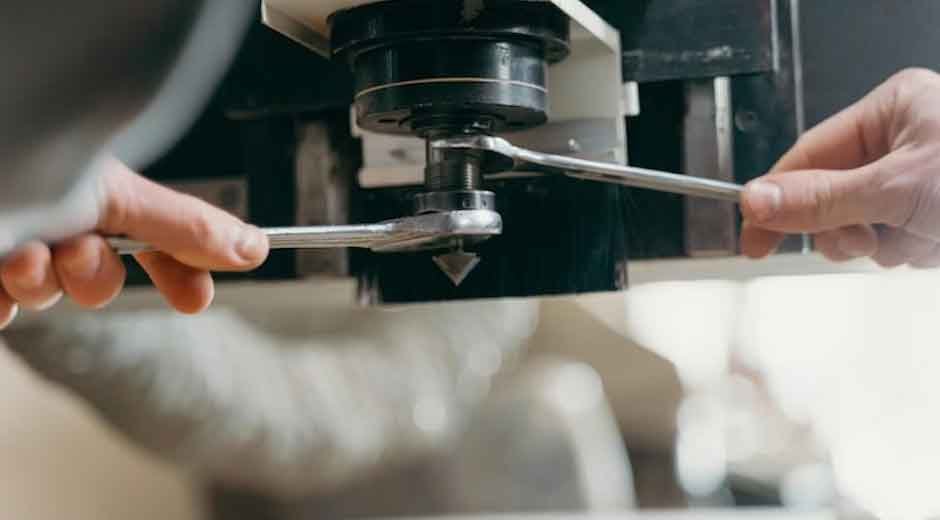
When a critical piece of equipment goes down in an industrial facility, the immediate reaction focuses on getting it fixed. Call the technicians, assess the damage, get a repair quote, and get production back online. That repair invoice becomes the tangible cost everyone sees and tracks.
But the actual financial impact of equipment failure extends far beyond what shows up on the repair bill. The downstream effects ripple through operations in ways that are harder to measure but often dwarf the direct repair costs. For facilities running tight margins, these hidden costs can turn a manageable equipment issue into a serious financial problem.
Production Losses Add Up Fast
The most obvious hidden cost is lost production. When a pump, compressor, or processing unit stops working, whatever that equipment was supporting also stops. In continuous operations like refineries or mining facilities, even short downtimes translate to significant revenue losses.
The math on this gets ugly quickly. If a facility generates $50,000 in revenue per hour and a pump failure causes a six-hour shutdown, that’s $300,000 in lost production. The repair itself might cost $15,000, but the production loss is twenty times that amount. And that’s assuming the repair can be completed quickly with parts on hand.
Extended downtimes make these numbers worse. If specialized parts need to be ordered or if the failure caused secondary damage to connected systems, what should have been a quick fix stretches into days. Each additional day of downtime compounds the production losses while fixed costs like labor, facility overhead, and equipment financing continue regardless of whether anything is being produced.
The Cascade Effect on Operations
Equipment doesn’t operate in isolation. When one piece of machinery fails, it affects everything connected to it in the process flow. A pump failure might shut down an entire production line. A compressor going offline could force multiple systems into standby mode. What starts as a single equipment issue cascades into a facility-wide operational disruption.
This is where operations managers face tough decisions. Do they shut down related equipment to prevent damage, losing more production but protecting other assets? Do they try to work around the failure, potentially putting stress on systems not designed to handle the load? Either choice carries costs and risks that wouldn’t exist if the original equipment hadn’t failed.
Facilities that rely on industrial pump repair services and other critical equipment maintenance know these cascade effects well. The faster reliable repairs can be arranged, the less time operations spend dealing with these secondary complications.
Safety Risks Nobody Budgets For
Equipment failures create safety hazards that organizations may not immediately recognize as costs until something goes wrong. When machinery breaks down unexpectedly, the failure itself can be dangerous. Pressure releases, fluid leaks, mechanical component failures, all of these present immediate risks to nearby workers.
The response to equipment failure also creates safety concerns. Rushing repairs to minimize downtime can lead to shortcuts or mistakes. Bringing in unfamiliar contractors who don’t know the facility increases accident risk. Workers operating backup equipment or modified processes face unfamiliar conditions where standard safety procedures might not fully apply.
Even when no injuries occur, the safety impact carries costs. Incident investigations take time and resources. Near-misses require documentation and analysis. Worker stress increases when they’re operating in degraded or emergency conditions. And if an injury does occur during or because of an equipment failure, the costs multiply dramatically through workers compensation, potential regulatory penalties, and the human toll that can’t be measured in dollars alone.
Supply Chain Disruptions
Industrial facilities typically operate as links in larger supply chains. When equipment failure stops or slows production, it doesn’t just affect that facility. Downstream customers who depend on that output face their own disruptions. They might need to find alternative suppliers at higher costs, adjust their own production schedules, or deal with their customers’ dissatisfaction.
These supply chain impacts damage business relationships. Customers who can’t rely on consistent delivery start looking for alternative suppliers. Even after equipment is repaired and production resumes, rebuilding trust and recovering lost business takes time and often requires price concessions or other accommodations that reduce margins.
Upstream effects matter too. Suppliers might have already shipped materials that now sit unused while equipment is down. Production schedules get thrown off, creating inventory management problems. Just-in-time operations that depend on precise coordination fall apart when unexpected downtime occurs.
Long-Term Equipment Degradation
Equipment failures rarely happen in isolation. A pump that fails catastrophically probably showed warning signs beforehand. Ignoring those early indicators often means other equipment in the facility is similarly neglected and approaching its own failure points.
The emergency response to one equipment failure can also accelerate degradation elsewhere. Running backup equipment harder than designed, modifying systems to work around the failure, or bringing equipment back online before proper testing, all of these stress other components and shorten their operational life.
This creates a vicious cycle. One failure leads to emergency repairs and operational stress, which causes additional failures, requiring more emergency responses. Facilities that fall into this pattern spend increasing amounts on repairs while production reliability decreases. Breaking out of the cycle requires not just fixing the immediate failure but addressing the systemic issues that allowed it to happen.
Lost Efficiency and Quality Issues
Even after repairs are complete and equipment is back online, operations often don’t immediately return to previous performance levels. Repaired equipment might run at reduced capacity while operators verify everything is functioning correctly. Quality control requirements typically increase after equipment failures to ensure product specifications are still being met.
Workers who dealt with the emergency repair and operational disruption are tired and stressed, which affects their performance. The facility rhythm that existed before the failure takes time to reestablish. These efficiency losses might seem minor day to day but add up over weeks as operations slowly return to normal.
Product quality can also suffer during and after equipment failures. Processes that were interrupted and restarted might produce off-spec material. Equipment that was repaired but not fully tested to original specifications might not maintain the same precision. Customers receiving these products may reject them or demand discounts, creating additional costs.
The Real Bottom Line
When industrial facilities track equipment failure costs, the repair invoice is just the beginning. Production losses, safety incidents, supply chain disruptions, accelerated equipment degradation, and efficiency losses often total five to ten times the direct repair costs. For major failures, the multiplier can be even higher.
Understanding these hidden costs changes how organizations think about equipment maintenance and reliability. Preventive maintenance programs that seemed expensive when compared only to repair costs look much more attractive when measured against total failure impacts. Investing in monitoring systems, maintaining parts inventory, and building relationships with reliable service providers makes economic sense once the full cost picture is clear.
The facilities that minimize these hidden costs aren’t necessarily the ones spending least on maintenance. They’re the ones that recognize equipment reliability as a core operational requirement and invest accordingly to prevent failures rather than just responding to them after they occur.