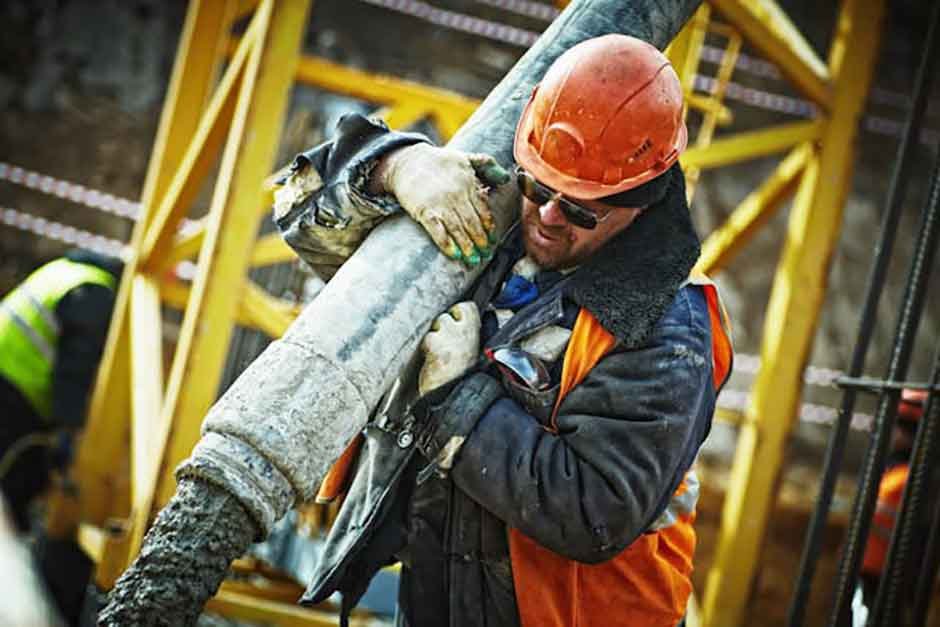
Construction sites are loud, busy, and unpredictable, which is exactly why even a routine lift can go wrong fast if the basics aren’t followed. Most injuries don’t occur during dramatic hoisting operations, but rather during everyday tasks where someone rushed, skipped a step, or assumed the load was stable. Safe lifting isn’t paperwork, it’s what keeps people uninjured and working steadily through the season.
Plan the Lift and Walk the Route First
A quick walk-through can prevent a serious setback, so crews should treat it as a required step. The planning phase is where most hazards are removed before a lift even begins. Crews need to walk the path the load will travel, note any obstacles, and decide how much clearance they have. This is where workers catch the things that ruin lifts: muddy patches, freshly delivered pallets blocking the turn, or low temporary wiring.
Once the route is clear, everyone involved needs to know their role. The signaler, the rigger, the operator, and the spotter must understand what the lift involves and the cues used to communicate. Short, clear radio calls or agreed-upon hand signals work best. When everyone understands the plan, the lift stops being guesswork and becomes controlled execution.
Use Cribbing Block Kits for Stable Support
Whenever equipment needs to be stabilized or a load needs to be raised slightly, using cribbing blocks matters more than most crews admit. They distribute weight evenly, create predictable support, and prevent equipment from sinking into soft or shifting ground. A cribbing block kit is far more reliable than scrap wood stacks, which crack or tilt under uneven pressure.
Think of a mobile crane setting up on a patch of soil after a night of rain. When cribbing blocks are stacked correctly, the crane stays level and the lift stays safe. These blocks are engineered for construction loads, interlock securely, and give crews a stable working platform every time.
Keep the Base Level and Identify Weak Ground
A lift is only as secure as the ground supporting the equipment. If the surface under a hoist, forklift, or crane shifts, the entire operation becomes unstable. Crews should check for soft spots, recent backfill, cracked pavement, or any area where heavy weight might cause unexpected settling. A level base is vital for preventing sudden shifts or dangerous tilts.
When a site is uneven, crews can improve the surface with mats, plates, or compacted fill before setting machinery. Even the best operators can’t compensate for sinking ground once the load is suspended. Addressing the base early prevents the load from swinging, drifting, or putting unexpected strain on the rigging system.
Secure the Load Using Proper Rigging Techniques
Before lifting anything substantial, crews must be certain the rigging is appropriate, rated correctly, and attached in a way that keeps the load balanced. Slings that are too long, hooks that aren’t locked, or uneven attachment points cause shifts mid-lift. A balanced load is safer to guide, easier to control, and less likely to swing into surrounding structures.
A reliable technique is to do a small test lift: raise the load a few inches, watch how it settles, and correct the sling angles or attachment points if needed. This is where crews catch problems like uneven centers of gravity or slipping chains. Spending one extra minute at this stage saves far more time and risk once the lift is in motion.
Protect Workers with Safe Body Mechanics
Heavy machinery handles the big lifts, but crews still move plenty of awkward items by hand. Poor lifting habits are a direct path to back injuries, strained shoulders, and long downtime. Workers should keep the load close to the body and lift with their legs instead of their spine. A stable stance keeps the body aligned and helps prevent twisting while carrying.
For example, someone loading power tools into the back of a truck shouldn’t twist from the ground and swing the load into place. A safer option is to step toward the truck, place one foot slightly forward, and lift in a straight, controlled motion. These small changes prevent cumulative strain, especially on long jobs that require repetitive lifting.
Turning Safe Lifting into the Daily Routine
Safe lifting isn’t a single skill. It’s a blend of planning, communication, equipment checks, and good judgment. They’re practical, field-tested, and meant to reduce mistakes on jobs where conditions shift constantly. These habits protect workers, reduce downtime, and help every lift finish as safely as it started.