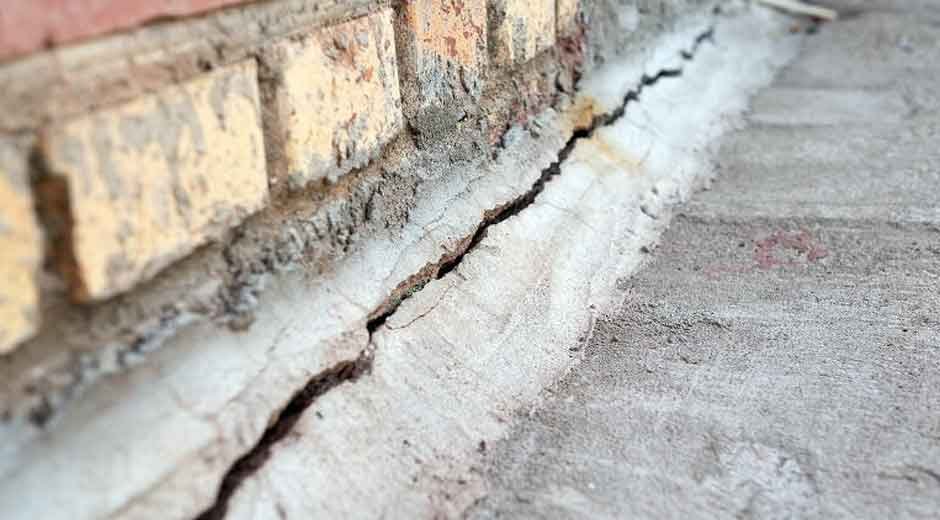
Cold weather may seem like a time to cozy up indoors, but it can also be one of the harshest seasons for your home’s foundation. As temperatures drop and snow begins to fall, your foundation can face serious pressure. Ice, frost, and shifting soil can all lead to cracks or make existing ones worse. Ignoring these problems during winter could lead to costly damage in the months ahead.
Homeowners looking for foundation crack repair in Massachusetts should pay close attention during winter. With the state’s harsh climate, foundations are under more stress than in many other parts of the country. This article will explain why winter matters, what signs to watch for, and how early action can protect your home’s structure and value.
How Cold Weather Makes Cracks Worse
Massachusetts winters are cold, wet, and unpredictable. These conditions put your home’s foundation at risk. As the ground freezes, it expands. This frozen soil can push against your foundation, adding pressure that worsens any small cracks. When the ground begins to thaw, it shrinks back. That back-and-forth movement shifts the soil and can lead to even more cracking. If moisture seeps into these cracks and freezes again, it will expand and make the gaps bigger. The result is a cycle of damage that grows worse if left unchecked.
Warning Signs You Shouldn’t Ignore
Some cracks may seem minor, but they can grow quickly during winter. Watch for the following signs:
- Cracks measuring more than a quarter-inch across
- Floors that tilt or are no longer level
- Gaps around windows or doors
- Musty smells in the basement
- Water leaks after the snow melts
If you notice any of these signs, don’t wait for spring. The earlier you take action, the better you can protect your home.
Why Winter Repairs Can Save You Money
Many people in Massachusetts assume that repairs should wait until the weather gets warmer. But waiting can lead to more damage. Winter repairs help stop cracks from growing and prevent water from entering your basement or crawl space. Contractors may also be more available in the winter months. With fewer home improvement projects happening, scheduling may be quicker, and service can be more focused. Plus, catching issues early means lower repair costs later.
Preparing Your Home for Repairs
Before any work begins, make sure your home is ready. Simple steps can make the process smoother and help the repairs last longer.
- Clear snow and ice from the base of your home
- Maintain gutters clean to control water from pooling
- Check for signs of moisture inside your basement
- Move any stored items away from the repair area
These steps don’t just make it easier for professionals to do the job; they also help reduce new stress on your foundation.
What Makes Massachusetts Homes More Vulnerable
Homes in Massachusetts face some of the toughest winters in the Northeast. With heavy snow, freezing rain, and strong winds, foundations are constantly under pressure. The freeze-thaw cycle is more intense here, especially in older homes with aged materials. Many homes were built with different standards than recent construction. While that gives character, it also means extra care is needed. Local weather and soil conditions combine to create the perfect storm for foundation problems, especially when temperatures drop.
Taking care of your foundation is not just a seasonal task; it’s a year-round responsibility. However, the winter months in Massachusetts create the most strain. That’s why foundation crack repair in Massachusetts should be considered before things get worse. Addressing small cracks now can save you thousands later and help keep your home dry, safe, and sturdy through the snowy season.