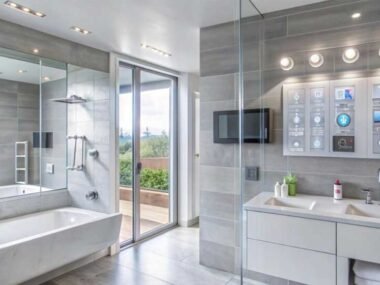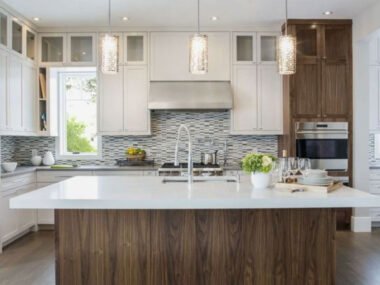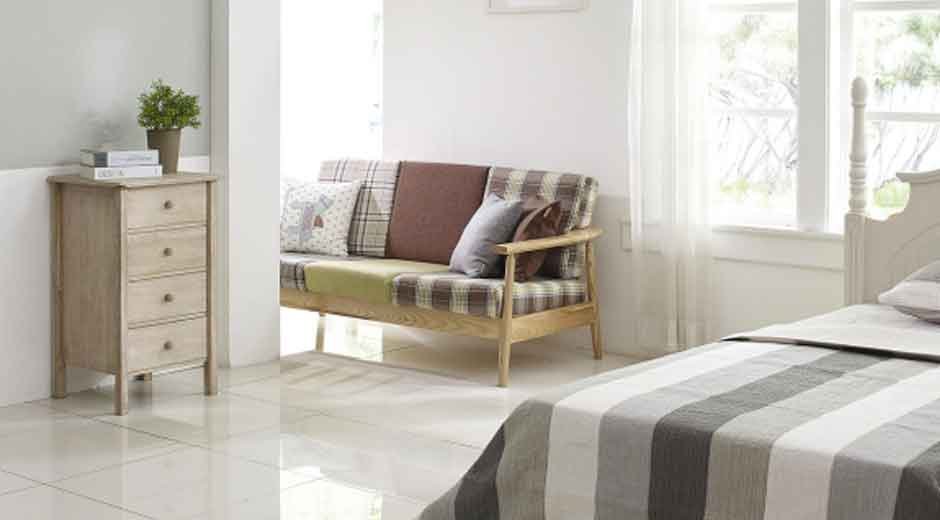
Natural light does more than brighten a room. It lifts your mood, supports energy levels, and makes any space feel more open and welcoming. It is also one of the easiest ways to reduce energy costs while creating a healthier and more beautiful home.
Whether you have large windows or tighter corners, there are practical ways to let the light in. From choosing the right window treatments to using mirrors and reflective finishes, small adjustments can transform the atmosphere of a room.
If you want to refresh your space without a full renovation, here are smart ideas to maximise natural light.
Use Timber Shutters to Control and Reflect Light
Timber shutters are an excellent choice when you want both beauty and function. They give you control over privacy and light. You can flip the louvres to block glare or open them just enough to brighten a dim corner. Their natural wood tones add warmth, texture, and character to any space.
By adjusting louvre angles throughout the day, sunlight can be directed deeper into a room without overwhelming it. This is especially useful in areas that struggle for daylight. Quality shutters also block UV rays, protect interiors, and improve insulation.
Timber shutters vary slightly across regions, reflecting differences in climate and design. In the United States, custom plantation shutters made from basswood or hardwood are a popular choice. Canada favours similar designs, with added emphasis on moisture resistance. In Australia, the climate demands greater durability, so timber shutters are often treated to withstand heat, pests, and humidity.
If you are in Newcastle and considering a lighting upgrade, explore timber shutters in newcastle for designs suited to the local style and conditions.
Choose Light-Reflecting Colours for Walls and Decor
Light-reflecting colours can make a dim room feel bright and inviting. Soft whites, pale creams, and neutral shades bounce sunlight instead of absorbing it. Designers often prefer yellow-based whites in north-facing rooms to enhance light reflection.
Reflective finishes also make a difference. Mirrors, metallic accents, and glossy surfaces scatter sunlight further into the space. A well-placed mirror opposite a window can dramatically increase brightness.
In contrast, dark and heavy tones absorb light and make rooms feel smaller. In spaces with limited natural light, it is best to avoid deep colours and instead choose light hues combined with reflective accents for an open and airy effect.
Keep Windows Unblocked and Clean
Natural light can only enter freely if your windows are unobstructed. Avoid placing bulky furniture, heavy drapes, or large plants in front of them. Trim outdoor foliage that casts shadows indoors, and choose lightweight window treatments that allow light to pass through.
Clean glass is equally important. Dirt and grime reduce the amount of sunlight that filters inside. Regular cleaning ensures brighter rooms and an uplifting atmosphere. For flexibility, consider layering sheer curtains with blackout drapes. This combination gives you natural light during the day and privacy or darkness at night.
Add Mirrors and Reflective Decor Strategically
Mirrors and reflective décor are clever tools for brightening your home. A mirror positioned opposite a window captures sunlight and bounces it into the room, creating the effect of a second light source.
You do not have to rely on full mirrors alone. Glass and metallic accents, such as vases, lamps, or picture frames, can also reflect light. Even a mirrored coffee table or wall panel helps extend brightness into corners.
Be thoughtful with placement. Reflect pleasant views or natural light, not clutter. Also avoid overusing mirrors, as too many reflective surfaces can make a space feel cold. When balanced carefully, mirrors and reflective décor create inviting and light-filled rooms.
Consider Skylights or Solar Tubes
Skylights and solar tubes are effective ways to bring daylight into darker areas of the home. Skylights are roof windows that provide strong direct light and often ventilation. Solar tubes, also called light tunnels, use a dome and reflective tubing to channel sunlight into interior spaces.
Solar tubes are smaller and require less structural change, so they are usually more affordable. They typically cost between $600 and $1,000, compared to skylights that often exceed $2,000.
Both options can add value to a home. Buyers often appreciate natural light as an energy-efficient and attractive feature. Use skylights when you want dramatic light and a view of the sky. Choose solar tubes when you need practical illumination in narrow or enclosed areas. Either choice makes the home brighter and more comfortable.
Bright Spaces Start with Smart Choices
Bringing more natural light into your home does not need to be complicated. From timber shutters to mirrors, skylights, and carefully chosen colours, even small changes can make a remarkable impact. By focusing on simple and light-friendly choices that suit your home, you can enjoy a brighter, healthier, and more welcoming space every day.