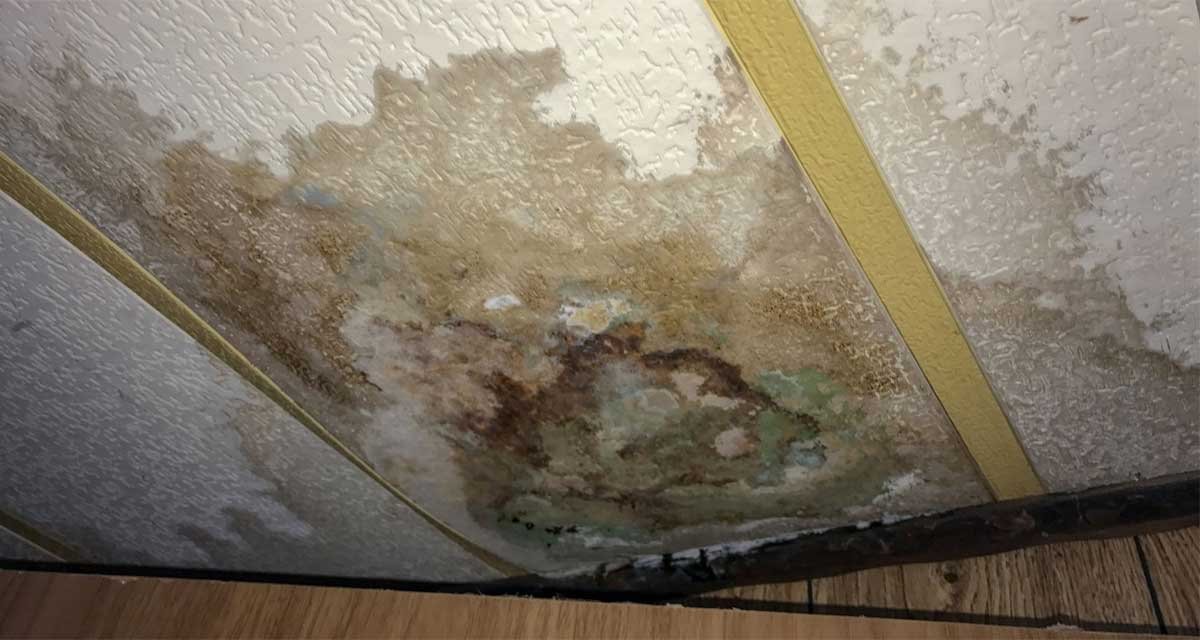
Water damage is stressful on its own, but one of the most serious problems it can trigger is black mold growth. Many homeowners are surprised to discover mold days or weeks after a leak, flood, or burst pipe, sometimes even when everything looks dry on the surface.
So why does black mold show up after water damage? The answer lies in how mold grows, how homes are built, and how quickly moisture can become trapped. Understanding the connection can help you act faster, protect your health, and prevent costly repairs.
What Is Black Mold?
“Black mold” is a common term used to describe Stachybotrys chartarum, a type of mold that thrives in damp, cellulose-rich environments. While not all black-colored molds are toxic, Stachybotrys is known for producing mycotoxins, which can pose health risks with prolonged exposure.
Black mold is commonly found on:
- Drywall and sheetrock
- Wood framing
- Ceiling tiles
- Insulation
- Carpet backing
Because these materials are found throughout homes, black mold can spread quietly after water damage if moisture is not fully removed.
How Water Damage Creates the Perfect Environment for Mold
Excess Moisture and Humidity
Mold spores are always present in the air, both indoors and outdoors. They become a problem only when moisture activates them. Water damage introduces excessive moisture into materials that are normally dry, giving mold exactly what it needs to grow.
Even humidity levels above 60% can support mold growth, especially in enclosed or poorly ventilated spaces.
Organic Materials Mold Feeds On
Mold does not just need water, it also needs food. Unfortunately, many building materials are ideal food sources, including:
- Paper backing on drywall
- Wood studs and subfloors
- Dust and debris
- Carpet fibers and padding
Once these materials become wet, mold can begin feeding almost immediately.
Improper or Incomplete Drying
One of the biggest reasons black mold appears after water damage is incomplete drying. Surfaces may feel dry to the touch while moisture remains trapped:
- Behind walls
- Under flooring
- Above ceilings
- Inside insulation
Without professional-grade drying equipment and moisture testing, hidden moisture often goes unnoticed until mold becomes visible or starts causing health symptoms.
How Fast Does Black Mold Grow After Water Damage?
Black mold can begin growing within 24 to 48 hours of water exposure. In warm, humid conditions, growth can happen even faster.
A typical timeline looks like this:
- 0–24 hours:Materials absorb moisture
- 24–48 hours:Mold spores activate and begin growing
- 3–7 days:Visible mold colonies may form
- 1–2 weeks:Mold spreads behind walls and structural materials
This is why delaying cleanup after water damage significantly increases the risk of mold infestation.
Common Types of Water Damage That Lead to Black Mold
Flooding and Storm Damage
Floodwater saturates building materials and often contains contaminants. Even after visible water is removed, moisture remains deep inside walls and floors.
Plumbing Leaks and Burst Pipes
Slow leaks under sinks, behind toilets, or inside walls can go unnoticed for weeks, creating ideal conditions for black mold growth.
Roof Leaks
Water entering from the roof often travels along beams and insulation, spreading moisture far from the original leak.
HVAC and Condensation Issues
Poorly maintained HVAC systems can create excess condensation, especially in attics and crawl spaces.
Sewage Backups
Sewage water not only causes mold but also introduces bacteria and pathogens, making professional remediation essential.
Health Risks Associated With Black Mold Exposure
Exposure to black mold can affect people differently, but common health effects include:
- Chronic coughing or sneezing
- Nasal congestion and sinus infections
- Asthma flare-ups
- Eye, skin, and throat irritation
- Headaches and fatigue
Infants, elderly individuals, and people with compromised immune systems are especially vulnerable. Long-term exposure may worsen existing respiratory conditions.
Signs Black Mold May Be Present After Water Damage
You don’t always see black mold right away. Warning signs include:
- Persistent musty or earthy odors
- Dark spots or staining on walls or ceilings
- Peeling paint or bubbling drywall
- Warped floors or soft spots
- Increased allergy symptoms indoors
If you’ve had water damage and notice any of these signs, mold may already be growing out of sight.
Why DIY Cleanup Often Makes Black Mold Worse
Many homeowners attempt to clean mold with bleach or household cleaners. While this may remove surface stains, it often fails to eliminate mold roots embedded in porous materials.
DIY cleanup can also:
- Spread mold spores to other areas
- Increase airborne contamination
- Exposing occupants to harmful spores without proper protection
Professional mold remediation uses containment, air filtration, moisture control, and safe removal methods to prevent further spread.
How to Prevent Black Mold After Water Damage
Act Immediately
The faster water is removed, the lower the risk of mold. Standing water should be extracted as soon as possible.
Proper Drying and Dehumidification
Industrial air movers and dehumidifiers are often necessary to dry materials completely, especially in hidden spaces.
Professional Water Damage Restoration
Certified water damage professionals use moisture meters and thermal imaging to detect trapped water and ensure thorough drying.
Ongoing Moisture Monitoring
After restoration, continued monitoring helps prevent mold from returning.
When to Call a Mold Remediation Professional
You should contact a professional if:
- Mold covers more than 10 square feet
- Mold is present in HVAC systems
- Water damage involved sewage or flooding
- Mold keeps returning despite cleanup
- Occupants experience health symptoms
Professionals can safely assess, contain, and remove mold while addressing the moisture source.
Conclusion
Black mold commonly shows up after water damage because moisture, organic materials, and time create the perfect conditions for growth. What starts as a simple leak can quickly turn into a serious health and structural issue if not addressed properly.
Acting quickly, drying thoroughly, and seeking professional help when needed are the best ways to prevent black mold and protect your home.