Have you ever thought about the air you breathe inside your home? You clean your floors, wipe your counters, and wash your clothes—but do you ever check the quality of the air? It may not be visible, but air pollution inside your house can quietly affect your health and well-being. In places like Wylie, TX, where temperatures vary and homes often stay sealed for months, indoor air can get stuffy and even unhealthy. You might not notice the effects right away, but poor air quality builds up over time, and it matters more than you think.
In this blog, we will share why air quality should be a top priority for every household and how small changes can make a big difference.
Health Starts with Clean Air
Clean air isn’t just about comfort. It’s about protecting your health every day. Poor indoor air quality can lead to problems like allergies, headaches, coughing, fatigue, and even asthma flare-ups. Dust, mold, pollen, and pet dander can circulate in your home’s air without you realizing it. When you breathe in these particles, they irritate your nose, throat, and lungs. For children, seniors, or anyone with existing health conditions, these effects are even more noticeable.
Over time, breathing poor air can weaken your immune system and reduce your energy. You might notice you get sick more often or feel tired even when you sleep enough. Clean air supports stronger lungs and clearer thinking. Your home should be a safe place—not a source of health issues.
Your HVAC System Plays a Major Role
Your home’s HVAC system does more than just keep the temperature comfortable. It also helps control airflow and filters out harmful particles. A system that’s not well-maintained can blow dust, mold, and allergens into every room. That’s why it’s important to work with a trusted professional, like an HVAC contractor in Wylie, TX. They can inspect your system, replace dirty filters, and clean out any build-up inside the vents.
Regular maintenance can keep your air cleaner and your system working better for longer. When your HVAC runs smoothly, it uses less energy, too. That means lower bills and fewer surprises down the road. Plus, good airflow reduces stuffiness and helps you breathe easier. With Texas weather being unpredictable, it’s even more important to have a reliable system that keeps your indoor air fresh all year round.
Everyday Products Affect Your Air
You might be surprised at how many common household items release harmful chemicals into the air. Things like cleaning sprays, air fresheners, candles, and even furniture can contain volatile organic compounds (VOCs). These VOCs evaporate into the air and lower your indoor air quality over time. You may love that new car smell or the scent of a fresh candle, but those pleasant scents could be masking chemicals that aren’t so good for your lungs.
Switching to natural or fragrance-free products is a simple way to improve air quality. Look for labels that say “low-VOC” or “non-toxic.” Open windows when you clean, paint, or bring in new furniture. Giving your home a chance to air out helps get rid of trapped pollutants and makes a big difference in how the air feels and smells.
Humidity Matters More Than You Think
Maintaining the right humidity levels in your home can impact your air quality in big ways. When it’s too humid, mold and dust mites thrive. When it’s too dry, your skin, eyes, and throat can get irritated. The ideal indoor humidity range is between 30% and 50%. In a place like Wylie, TX, where summer can get muggy and winter can be dry, your home might swing between both extremes.
Using a humidifier or dehumidifier when needed can help balance the air. This makes your home more comfortable and safer, especially for people with asthma or allergies. You can also reduce moisture by running fans in the bathroom and kitchen, fixing leaks quickly, and keeping your HVAC system in good shape. Balanced humidity helps your air feel fresh—not stuffy or dry.
Air Purifiers Add Extra Protection
Even with a clean home and a good HVAC system, air purifiers can give you an extra layer of protection. These devices remove fine particles from the air, like pollen, smoke, and pet hair. If someone in your house has allergies or asthma, an air purifier can help reduce flare-ups. Some models even trap bacteria and viruses, which makes them helpful during cold and flu season.
You don’t need to place a purifier in every room. Start with the rooms where you spend the most time, like the bedroom or living room. Look for one with a HEPA filter and a quiet fan. Over time, you might notice fewer allergy symptoms, better sleep, and less dust on your furniture. It’s a small investment that can lead to big health benefits.
Kids and Pets Breathe More, So Take Extra Care
Kids and pets spend a lot of time indoors, and they breathe more air per pound of body weight than adults. That means they’re more affected by poor indoor air quality. Children’s lungs are still developing, and pets are close to the ground where dust and particles settle. If your home has carpeting, pet hair, or older furniture, it can hold onto allergens and chemicals for years.
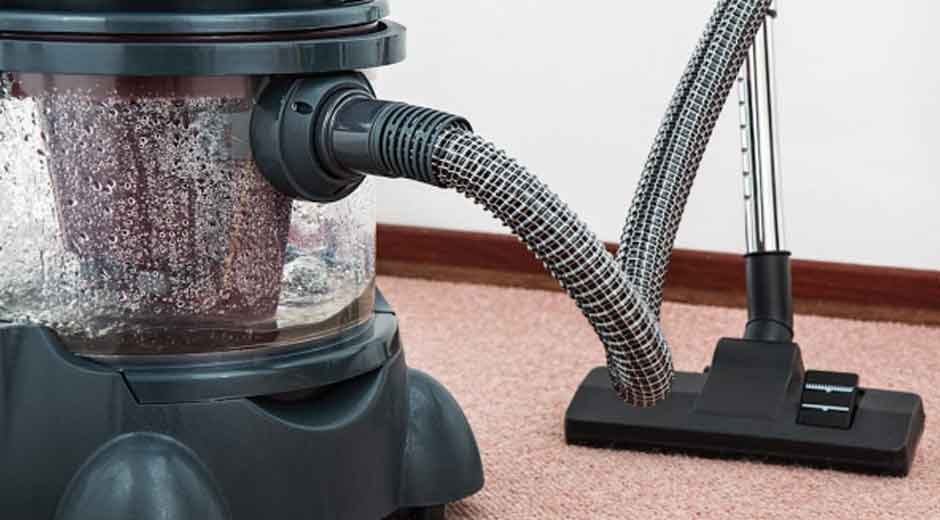
Vacuum often using a machine with a HEPA filter, and mop hard floors to pick up fine particles. Wash your pet’s bedding and toys regularly. If you have a baby or young child, be extra cautious about the products you use and how often you clean. Making air quality a priority now can help them grow up healthier and happier.
In conclusion, air quality isn’t something we can see, but it deeply affects how we live. From our energy levels to how well we sleep and even how our kids grow, clean indoor air plays a huge role. With the right steps, like maintaining your HVAC system, reducing indoor chemicals, and keeping humidity balanced, you can create a home that feels as good as it looks. Think of it as investing in your future comfort and health. Make air quality a daily priority—not an afterthought—and your whole household will feel the difference.