Window wrapping is a crucial process that enhances the appearance and durability of windows in both residential and commercial settings. Experts in the field understand that the right materials are essential for achieving long-lasting results and a polished finish. These materials protect the window films from external elements and add a layer of aesthetic appeal to the structure.
The selection of materials used for decorative window film depends on various factors, including durability, aesthetic goals, and the weather conditions to which the window will be exposed. Understanding which materials offer the best protection and visual appeal can significantly impact the final outcome. So, what materials do professionals prefer for wrapping windows?
1. Vinyl Film
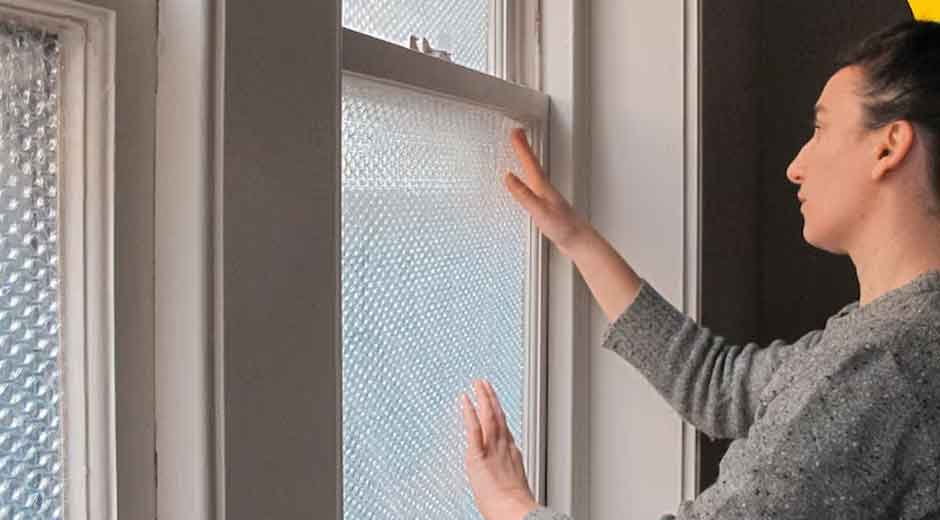
Vinyl film is one of the most preferred materials for window wrapping. It is known for its versatility, offering both functional and decorative benefits. Vinyl is available in numerous finishes, including glossy, matte, and textured, providing a wide range of customization options to suit various design preferences. The material is highly resistant to UV rays, preventing fading and ensuring the window trim stays vibrant even when exposed to sunlight. Furthermore, vinyl film is easy to apply and maintain, which makes it a popular choice for both interior and exterior applications.
2. Aluminum Sheets
Aluminum is a popular choice for wrapping windows, especially for those seeking a more robust and long-lasting solution. The material is naturally resistant to corrosion and rust, making it an ideal option for regions with high humidity or extreme weather conditions. Aluminum offers superior protection against the elements, helping maintain the window trim’s integrity over time.
- Durability:Aluminum is durable and can withstand the wear and tear of harsh weather conditions.
- Low Maintenance:Once installed, aluminum requires little upkeep, ensuring the window trim remains in excellent condition with minimal effort.
3. PVC Trim
Polyvinyl chloride (PVC) is another material that experts rely on for decorative window film. Known for its lightweight and durable qualities, PVC is resistant to rot, mold, and mildew, making it ideal for both interior and exterior applications. The material is also highly resistant to moisture, ensuring that it does not degrade or weaken in humid environments. PVC can be painted in various colors to match the existing design, making it an adaptable option for any home or building.
4. Wood Laminate Films
For those looking to achieve the look of wood without the maintenance, wood laminate films offer a perfect solution. These films are designed to mimic the texture and appearance of real wood, providing the warmth and natural aesthetic of wood without the associated upkeep. The laminate is made from a durable material that offers a more affordable alternative to solid wood. Wood laminate films come in various finishes, such as oak, cherry, and walnut, allowing for a wide range of design possibilities. They are easy to apply and maintain, making them an attractive choice for window wrapping projects that require a touch of elegance and sophistication.
5. Fabric-based Wrapping Materials
While less common, fabric-based wrapping materials can be used for specialized or decorative window projects. These materials provide flexibility and can be customized with different patterns and designs to suit the desired style. Fabric wraps often feature a vinyl or polyester coating, offering the durability of synthetic materials along with the soft texture of fabric.
Experts prefer various materials for window wrapping, each offering specific advantages based on the project’s needs. From the versatility and durability of vinyl and aluminum to the elegance of wood laminate films, each material brings unique benefits. By carefully selecting the appropriate material, professionals can ensure that window trims not only look great but also stand the test of time.