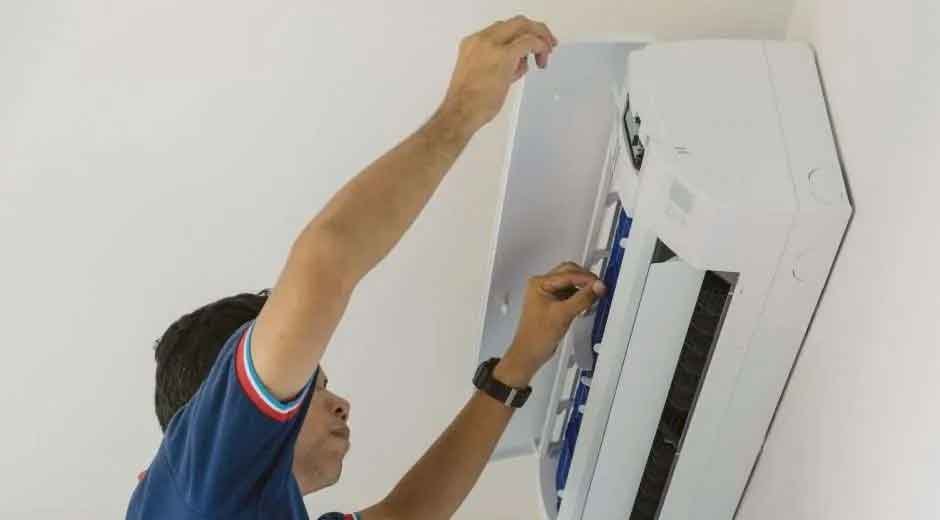
When an air conditioner constantly turns on and off without completing a full cooling cycle, it can be both frustrating and concerning. This issue, often referred to as short cycling, not only disrupts comfort but can also increase energy bills and cause unnecessary wear on the system. Instead of ignoring the problem or assuming it will go away, homeowners should recognize that short cycling is often a symptom of an underlying issue that requires attention. We will explore several possible causes and solutions, helping you understand why your AC might be behaving this way and what steps you can take to restore efficiency and comfort in your home.
Common Reasons Your AC Turns On and Off Repeatedly
- Thermostat Issues
A malfunctioning thermostat is one of the most common reasons an air conditioner starts short-cycling. Since the thermostat acts as the brain of your cooling system, any miscalibration, poor placement, or low battery can cause it to send incorrect signals to the unit, resulting in improper cooling. For instance, if your thermostat is installed too close to a window, direct sunlight may cause it to think your home is warmer than it actually is, leading to rapid on-and-off cycles. Likewise, if it’s placed near vents, the sudden flow of cool air may trick it into believing the desired temperature has already been reached.
To address this, ensure your thermostat is placed in a central location, away from heat sources or drafts. Replace its batteries if needed, and consider upgrading to a programmable or smart thermostat that provides more accurate control. Regular thermostat checks, especially when maintaining systems for heating and cooling in Tulsa, can help keep your AC functioning smoothly without unnecessary disruptions.
- Clogged Air Filters
Airflow restrictions are another frequent cause of short cycling, and dirty filters are usually the culprit. When filters become clogged with dust, dirt, and debris, they force your AC to work harder to pull air through. This strain can cause the system to overheat, triggering automatic shutdowns as a protective measure. Once it cools, the system restarts, creating the frustrating cycle of rapid on-and-off operation. Beyond affecting performance, dirty filters also degrade indoor air quality and increase energy consumption. Checking and replacing filters regularly—ideally every one to three months depending on usage—can prevent this problem. For homes with pets or occupants with allergies, more frequent changes may be necessary. Clean filters not only stop short cycling but also extend the lifespan of your air conditioning unit by reducing overall wear.
- Refrigerant Problems
Low refrigerant levels can also cause your AC to short-cycle. Refrigerant is essential for absorbing heat from your home and releasing it outside. When there isn’t enough refrigerant due to a leak or improper charge, the system struggles to complete its cooling cycle. This can cause it to turn on and off rapidly as it fails to regulate temperature effectively. Signs of low refrigerant include warm air blowing from vents, ice forming on the evaporator coils, and a noticeable hissing or bubbling sound from the unit. Addressing refrigerant issues requires professional repair, as handling refrigerants involves specific procedures and regulations. Ignoring the problem can lead to severe compressor damage, which is one of the costliest AC repairs. If you suspect a refrigerant issue, it’s important to schedule a service visit promptly to restore proper functionality and avoid further damage.
- Improperly Sized Unit
An oversized air conditioning system is another hidden cause of short cycling. While it might seem like a bigger unit would cool your home faster and more efficiently, it actually does the opposite. An AC that is too large for the space cools the air so quickly that it shuts off before completing a full cycle. This leads to uneven cooling, higher humidity levels, and continuous on-and-off cycling. Over time, this constant cycling not only increases wear but also shortens the system’s lifespan. On the other hand, an undersized unit may run constantly without providing adequate cooling. The only solution for a poorly sized AC unit is to replace it with one that matches your home’s square footage and insulation levels. A professional load calculation ensures you select the right system for your home, avoiding the pitfalls of both oversized and undersized equipment.
- Dirty or Frozen Evaporator Coils
The evaporator coils in your AC play a vital role in absorbing heat from indoor air. However, when these coils become dirty or frozen, they disrupt the cooling process and cause the system to cycle improperly. A frozen coil may prevent the unit from cooling at all, leading to rapid shut-offs to prevent further damage. Common causes of frozen coils include low refrigerant, poor airflow, or dirt buildup. If you notice ice on your unit or water leaks around the system, it’s a clear sign of coil issues. While you can check for airflow problems and replace filters, coil cleaning and repair often require professional servicing. Preventive maintenance, such as scheduling seasonal tune-ups, can keep coils clean and ensure your AC runs efficiently without falling into a short cycling pattern.
When your air conditioner keeps turning on and off repeatedly, it’s a sign that something is wrong and requires attention. From thermostat problems and dirty filters to refrigerant leaks and improperly sized systems, there are multiple possible causes behind short cycling. The good news is that many of these problems can be prevented with regular care, simple inspections, and timely servicing. Paying attention to early warning signs and taking proactive measures can save you from more expensive repairs and extend the life of your system. By staying informed and acting promptly, you can maintain a comfortable home and keep your AC running efficiently throughout the hottest months of the year.