Open-plan layouts have become increasingly popular, celebrated for their spaciousness, flexibility, and the way they encourage interaction and light. However, with fewer structural boundaries, designing a cohesive interior that feels both functional and harmonious can be challenging. The key lies in unifying the design elements without compromising the character of each distinct area. Here are practical and expert-backed tips to help you master the art of cohesion in your open-plan home.
Define Zones with Purpose
In an open-plan space, zoning is critical. Rather than relying on walls, use visual and spatial cues to establish defined areas for living, dining, and cooking. Area rugs, pendant lights, or variations in ceiling treatment can subtly signal different zones while maintaining overall flow.
Careful space planning allows for better furniture placement and movement, ensuring that each zone supports its intended function without feeling disconnected from the rest of the home.
Stick to a Unified Colour Palette
One of the most effective ways to tie an open-plan area together is by choosing a consistent colour palette. Begin with a base of neutral tones like warm greys, whites, or taupes, and build layers of colour through furnishings and accessories. Limit the number of accent colours to maintain a cohesive visual rhythm.
A consistent palette doesn’t mean monotony. Instead, incorporate various textures and materials in your chosen colours to add depth and interest without disrupting harmony.
Repeat Materials and Textures
Using the same or complementary materials across zones helps maintain a visual link. For example, if your dining table features natural timber, consider using that same timber in open shelving or a feature wall in the living area.
This repetition is not just aesthetic – it fosters a sense of continuity. Texture plays an important role too; repeating elements such as linen, concrete, or brushed brass can unify a space even when used sparingly. This approach aligns well with the principles of wabi-sabi, where imperfect finishes and organic materials are embraced to create spaces that feel grounded and cohesive.
Curate a Consistent Lighting Scheme
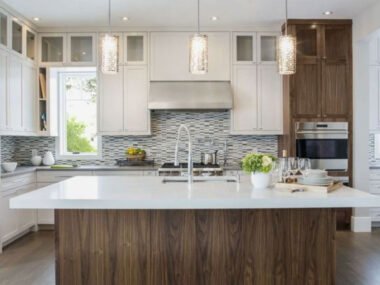
Lighting can do more than brighten a room – it shapes how spaces feel and function. Choose a unified lighting style across the zones, even as the function of the lights varies. Pendant lights above the dining table, wall sconces near the living area, and task lighting in the kitchen can all share similar finishes or forms to maintain design consistency.
Layering different types of lighting ensures practicality without sacrificing cohesion. Keep in mind that similar tones in metal finishes (like matte black or brushed nickel) contribute significantly to visual unity.
Select Furniture That Echoes Design Themes
Furniture selection in an open-plan home should balance comfort with continuity. Try to avoid a mix of dramatically different styles across zones. Instead, choose items that speak a common design language – whether that’s clean lines, mid-century curves, or coastal textures.
This doesn’t mean identical sets, but pieces should feel like they belong to the same story. In fact, it’s often helpful to draw inspiration from professionally designed interiors, such as those seen on novaricollective.com.au, where deliberate furniture choices contribute to a cohesive yet dynamic space.
Use Art and Accessories Thoughtfully
Accessories are where personal style shines, but restraint is key. Choose art that resonates with the overall palette and style, and consider using similar frames or consistent placement heights to help unify the visual field. Incorporating natural elements or handcrafted details can further tie spaces together in a subtle but effective way.
Soft furnishings like cushions, throws, and ceramics should also reflect your base tones or echo materials used elsewhere. Avoid over-accessorising; instead, aim for pieces that have both aesthetic and functional value, helping maintain a clean, harmonious atmosphere.
Bringing Harmony to Open-Plan Living
Designing a cohesive open-plan home is all about balance – blending separate functions with a unified visual experience. By defining purposeful zones, repeating key elements, and maintaining stylistic consistency, your space can feel connected without being uniform. With attention to detail and thoughtful choices, open-plan living can achieve both beauty and comfort, tailored perfectly to modern Australian lifestyles.