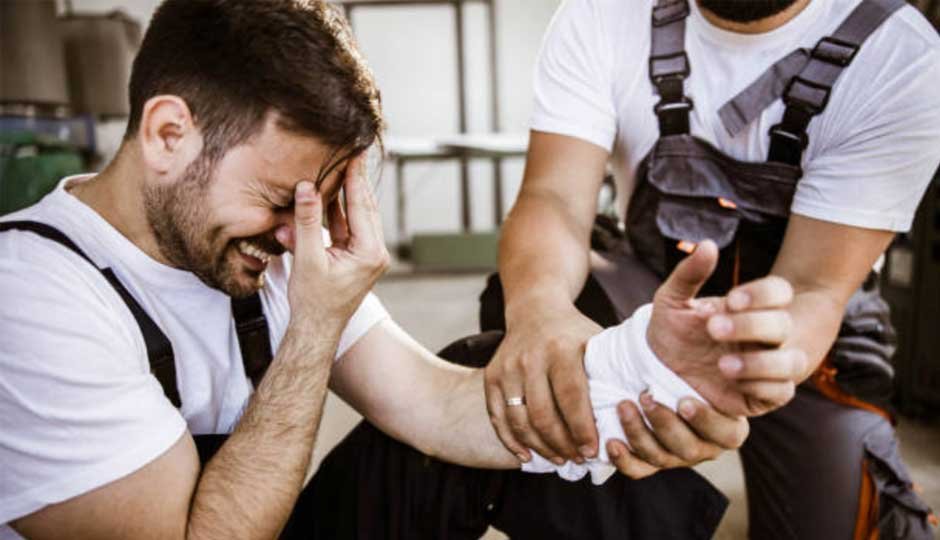
After an accident, you might initially feel fine due to adrenaline and shock masking the pain. However, many people start experiencing delayed pain after an accident, which may come hours or even days later. This delayed pain may range from mild inflammation to extreme pain, indicating underlying injuries that should be addressed.
It may be stiffness, pain, or even headaches, but they should not be neglected. Knowing how to manage this delayed pain effectively will be helpful in making sure that the recovery process is faster and safer and that long-term complications that otherwise would remain unnoticed in the immediate aftermath of a collision are avoided.
1. Understand Why Pain Appears Later
Delayed pain after an accident is a normal occurrence in the victims since the natural response of the body to stress emits adrenaline and endorphins that temporarily block pain. After the expiry of these hormones, latent traumas, whiplash, internal bruising, or even damage to the soft tissues will be noticeable. Medical professionals note that in some cases, delayed symptoms may be signs of some severe complications, such as spinal or nerve damage.
So, although you might be fine immediately after the accident, you need to be aware of any physical or emotional changes that may occur in the days after because they may be signs of injuries that need to be treated in an emergency.
2. Seek Medical Evaluation Promptly
When you see new or increasing pain, you should immediately seek professional medical attention. Proper assessment would expose injuries, that are not observed on the surface, like concussions, herniated discs, or internal bleeding. These hidden conditions can be detected using diagnostic equipment such as X-rays, MRIs, and CT scans.
Delayed symptoms are not to be ignored because they can result in chronic pain or irreversible damage. Early diagnosis provides treatment in time and avoids additional complications. In addition, medical records may act as the key evidence in case you want to claim compensation due to injuries caused by accidents in the future.
3. Follow Recommended Treatments
After a healthcare professional has discovered your injuries, you should adhere to the treatment plan. This may involve rest, physical therapy, pain medication, or rehabilitation exercises. Treatment consistency assists in the mitigation of inflammation, restoring force, and improving mobility. Never self-diagnose or miss therapy sessions, because this will delay healing.
If the pain does not go away with medication, inform your doctor at once, as this may mean that you have to change the drug or have extra diagnostic measures. It should be remembered that all people have different rates of recovery based on the nature and severity of the injury.
4. Manage Pain Naturally and Safely
Besides treatment, there are various home-based remedies that may be used to treat discomfort. It is necessary to use ice packs or warm compresses, have a balanced diet with anti-inflammatory foods, and rest. You can also alleviate the tension of the muscles and enhance circulation by gentle stretching and relaxation methods (yoga or deep breathing).
Hydration aids in the healing of tissues and general healing. Nevertheless, do not overexert yourself by lifting heavy during this time, because this may either aggravate the injuries that are hidden or slow down the healing process considerably.
5. Keep Track of Symptoms and Progress
Keeping a daily journal about your symptoms and the level of pain, mobility, or mood is also useful to you and your medical practitioner. The record helps doctors in making amendments to your treatment regime, and it also enables the identification of patterns in pain or recovery. Also, maintaining a detailed note can be used to back any legal or insurance claims involving your accident.
In case the pain abruptly becomes worse or you have some other symptoms, immediately get in touch with your doctor to have an additional check-up. Being proactive regarding your health will guarantee that it becomes safer and quicker to heal after having sustained an injury.
Conclusion
- The manifestation of pain several days after the accident is an alarm bell that should not be overlooked.
- Timely diagnosis, clinical assessment, regular treatment, and self-management play critical roles in full recovery.
- Prevention of chronic pain and permanent harm is possible by keeping track of your symptoms and following medical recommendations.