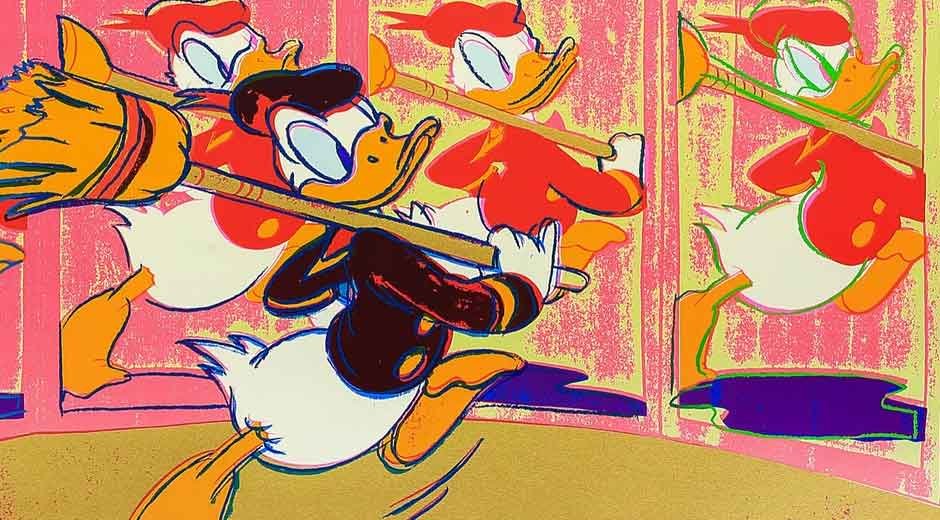
The world of limited-edition pop art prints is vibrant and full of excitement. For anyone looking to add a piece of this dynamic art movement to their collection, the journey can be just as thrilling as the artwork itself. However, making a smart purchase involves more than just falling in love with bold colors and iconic images. To ensure a rewarding experience, collectors should keep several important factors in mind before making a decision.
Edition Size and Numbering
One of the first things to notice when considering a limited-edition print, including Andy Warhol prints, is the edition size and its numbering. Each print usually features a fraction, such as 15/100, which tells you it is the fifteenth print in a run of one hundred. A smaller edition size often makes a piece more exclusive and potentially more valuable. Checking this detail helps buyers understand how rare it is, which can add an extra layer of excitement to the purchase.
Signature Authenticity and Placement
- A signature from the artist can transform a print into a cherished treasure.
- It is important to see if the signature is hand-signed or simply printed.
- Hand-signed editions are generally more prized by collectors.
- The signature’s location, often in the lower margin, should match the artist’s usual style.
- Comparing the signature to verified examples can help confirm its authenticity.
Consider the Type of Print Used
Knowing exactly what type of print is being considered is essential. Limited-edition prints, such as lithographs or screenprints, are made with special care and high-quality materials. Posters, while visually appealing, are usually mass-produced and less valuable. Reading the description carefully and understanding the printing method can help buyers make informed choices.
Condition and Quality of the Print
The condition of a print can make a big difference in both its enjoyment and value. Before buying, it is wise to look for any signs of damage, such as creases, fading, or stains. Even small flaws can affect how desirable the product is. High-quality images or an in-person inspection can reveal details that might not be obvious at first glance. Prints that have been well cared for, especially those framed with archival materials, are more likely to stand the test of time.
Presence of Certificates or Documentation
- Certificates of authenticity and other documentation provide peace of mind.
- These papers confirm the print’s origin and legitimacy, making it easier to insure or resell in the future.
- Collectors should ask for any available certificates, gallery receipts, or letters from trusted sources.
- Having the right paperwork can make a world of difference, especially when it comes to verifying the print’s history.
Print Provenance and Ownership History
Every piece of art has a story, and knowing where a print has been can add to its charm. Provenance refers to the print’s ownership history. A well-documented provenance can boost a print’s value and offer reassurance about its authenticity. Collectors are encouraged to ask about previous owners, exhibition history, and any notable sales.
Bringing a limited-edition pop art print, including Andy Warhol prints, into a collection is an exciting step for any art lover. By paying close attention to edition numbers, signatures, print types, condition, documentation, provenance, and production details, collectors can make choices that are both enjoyable and wise. A little research and careful observation go a long way toward building a collection that is both meaningful and valuable.