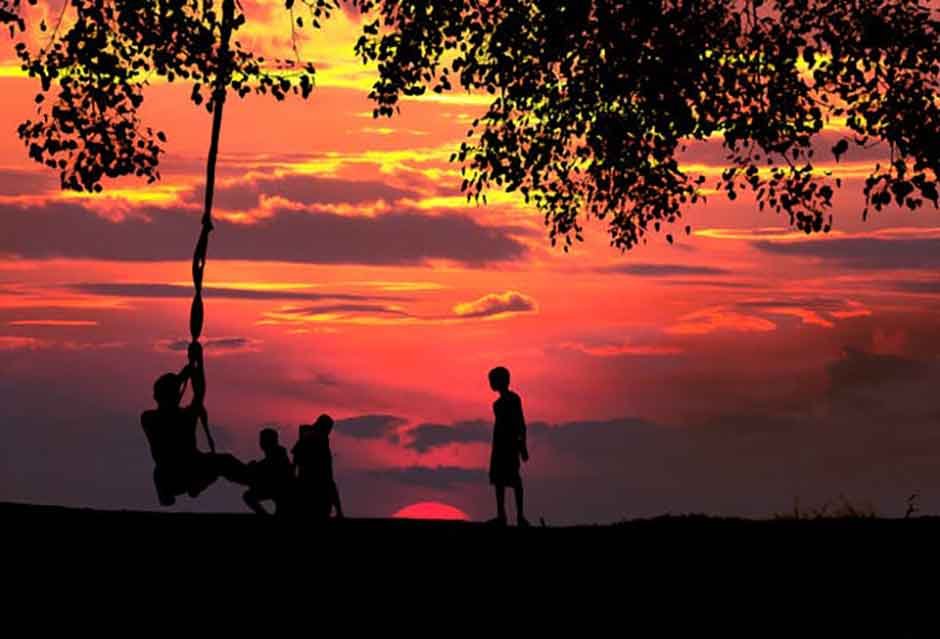
Outdoor play is much more than a fun break from the classroom. It’s a vital part of how children learn about themselves and their surroundings. They’re building confidence, independence, and awareness through every small discovery. Holistic early learning means nurturing the whole child, their physical abilities, emotions, creativity, and cognitive skills, and few environments support that balance better than the outdoors.
Developing Physical Strength and Coordination
Climbing, jumping, running, and balancing challenge children’s bodies in ways that indoor activities can’t match. Outdoor settings demand coordination, motor control, and agility, helping muscles and reflexes develop through movement that feels playful rather than forced. For example, when a child learns to balance on a fallen log or catch a ball midair, they’re not just exercising – they’re practicing control and persistence.
These experiences build both physical strength and internal confidence. As children test their limits, they learn to assess risk, trust their instincts, and recover from small setbacks. Each achievement, no matter how simple, reinforces self-belief and resilience.
Fostering Curiosity and Exploration
Children are natural explorers who learn best when given the freedom to investigate, test, and observe. For example, a walk outside can lead to dozens of questions: Why are some leaves bigger than others? How do ants find food? This approach helps children see learning as something that grows naturally from the world around them, not just from books or structured lessons.
For example, childcare in Dubbo, Australia, often emphasizes discovery through nature rather than rigid lesson plans. Educators there make use of open, light-filled spaces and nearby natural settings to encourage children to explore at their own pace. Observing insects, collecting leaves, or watching light shift across the playground teaches patience, focus, and problem-solving.
Encouraging Social Interaction and Teamwork
Outside, social learning happens naturally and without adult orchestration. The open environment invites cooperation: children share tools, invent games, and work toward common goals. When a group decides to build a fort, they negotiate who collects branches, who arranges them, and who decides when it’s finished.
Through these interactions, children develop social awareness, such as learning to listen, compromise, and empathize. Outdoor environments level the playing field by removing many of the rigid rules of indoor spaces. Children of different ages, backgrounds, and abilities find ways to connect and collaborate on their own terms.
Boosting Emotional Well-Being
Fresh air and movement are powerful for mental health. Being outdoors reduces anxiety, releases energy, and helps children reset their focus. A few minutes of free play in the garden after lunch can make the transition back to quiet indoor learning smoother and more productive.
Nature supports emotional balance by giving children time and space to process their feelings. Watching a bird build a nest or listening to rustling leaves provides calm, grounding experiences that teach patience and mindfulness. Over time, these small moments contribute to emotional resilience and better self-regulation.
Enhancing Cognitive and Academic Skills
Outdoor environments stimulate the brain in ways that formal settings sometimes can’t. When children count stones, compare the height of plants, or predict how long it will take for rain puddles to dry, they’re engaging in early scientific thinking without realizing it. A child who observes that wet soil is heavier than dry soil is applying basic principles of cause and effect.
Hands-on learning strengthens memory and problem-solving because it ties abstract ideas to real experiences. Concepts like measurement, sequencing, and observation become intuitive rather than theoretical. The more children connect learning to action, the deeper their understanding becomes.
Connecting Children to Nature and Sustainability
Spending time outdoors nurtures respect for the environment from an early age. Simple activities like planting seeds, composting food scraps, or caring for class pets teach responsibility and empathy. For instance, when children see a sprout emerge from the seed they planted weeks earlier, they begin to understand growth as a process that requires patience and care.
Outdoor learning also introduces the idea of sustainability in everyday terms. Children start noticing seasonal changes, how water is used, and why animals depend on plants. These early lessons in observation form the basis for environmental awareness that will influence their choices as adults.
Supporting Creativity and Imagination
A natural setting invites imagination in ways few other spaces can. A stick becomes a fishing rod, a pile of leaves turns into treasure, and a garden path becomes an adventure trail. These kinds of imaginative transformations help children develop flexible thinking – the ability to see new possibilities in familiar things.
When adults allow space for self-directed play, creativity thrives. Unstructured outdoor time encourages children to make decisions, experiment, and invent their own systems of meaning. These experiences teach adaptability, originality, and confidence in their own ideas, skills that will serve them far beyond early learning.
Strengthening the Home-School Connection
Learning outdoors can also strengthen relationships between families and educators. For example, community gardens, weekend nature walks, or outdoor art sessions bring parents into the learning process. These shared experiences help families see how exploration and play contribute to their child’s growth.
Collaboration between home and school creates a consistent foundation. When children see that both parents and teachers value curiosity, independence, and connection with nature, they feel supported in exploring the world around them.
On Building a Foundation for Lifelong Growth
Moments spent outside teach children far more than physical coordination or basic facts – they build the mindset needed for lifelong learning. Curiosity, problem-solving, teamwork, and self-regulation all take root through lived experiences in nature.
Parents and educators provide more than fresh air and exercise by giving outdoor play a central role in early education. They help children grow into capable, confident individuals who approach the world with awareness, adaptability, and care.