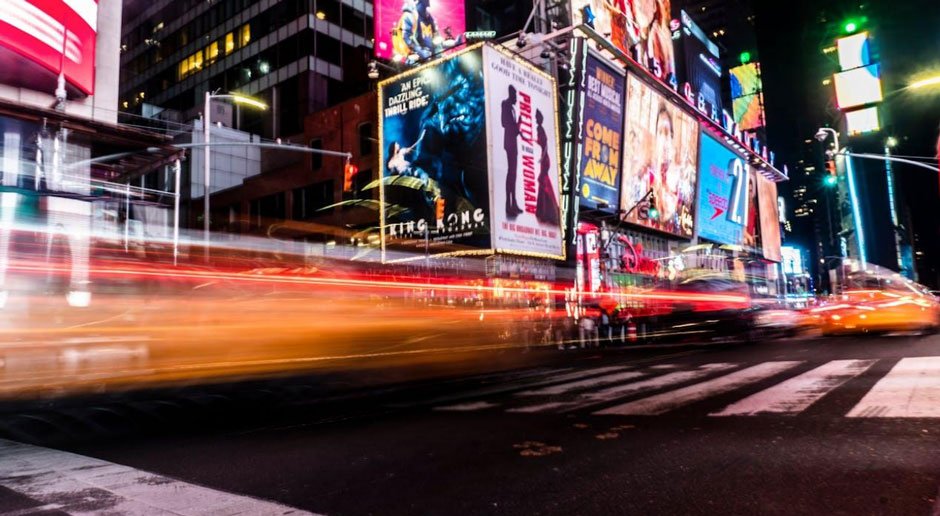
 New York City sells a quiet fantasy: that somewhere between the brownstones and bodegas, there exists a perfect neighborhood. One where the subway behaves, the rent feels vaguely reasonable, the noise stops at a polite hour, and your local coffee shop somehow knows your order by day three. People chase this idea intensely, scrolling listings like gamblers pulling a lever with the hope it will be this one. But spending any real time in NYC reveals a different truth. The city isn’t built around permanence; it’s built around motion. People arrive, adapt, grow restless, leave, return, relocate five subway stops away, and start the cycle again. The so-called “perfect neighborhood” isn’t elusive because you haven’t found it yet; it’s elusive because it doesn’t exist in the way you’ve been taught to expect. So, let’s look over the reasons why NYC is designed for you to keep moving.
Neighborhoods Change Faster Than People Do
What complicates the search for perfection is how quickly neighborhoods shift here. A block you loved two years ago may suddenly feel off. Not worse, just different. New buildings replace familiar corners. Stores change hands. Rent spikes quietly and then aggressively. The people you bonded with move to Brooklyn, then Queens, then “upstate,” wherever that line begins in their mind.
New Yorkers like to talk about neighborhoods as if they have fixed identities: artsy, corporate, family-friendly, “still cool but not like before.” But those identities are fluid and often outdated by the time you adopt them. That’s why NYC is designed for you to keep moving. You move somewhere for what it was, only to realize you’ve arrived at mid-transition. That’s not failure. That’s the city working as intended.
The City Is Structured Around Transitions
NYC’s housing stock, transit system, and even social rhythms reflect movement. Leases turn over in predictable cycles. Subways carry people not just to work, but to entirely different lives depending on the borough. Friend groups fracture and reform around geography more than intention. Few people live near their first NYC job forever. Or their second. Or their third. Careers shift here fast, often requiring you to be closer to a new office, client base, or industry cluster. What felt central one year suddenly feels remote the next.
The city doesn’t encourage you to pause and settle; it quietly nudges you to adjust and become more flexible in things like that. And when you resist that instinct, when you cling to the idea that this apartment must be the final version, you suffer more than necessary.
Why Moving to NYC Almost Guarantees Moving Again
When people move to NYC for the first time, they often think the goal is to “get it right.” The right borough and the right building. The right vibe. There’s pressure to choose wisely because moving is expensive, stressful, and emotionally draining. But this pressure overlooks something essential: moving within NYC is a normal stage of living here. NYC is designed for you to keep moving. Most long-term New Yorkers didn’t land where they belong on the first try. They learned through discomfort, through loud neighbors, long commutes, overidealized apartments, and neighborhoods that looked better on Instagram than in February.
This is where common mistakes when moving in NYC tend to surface. People underestimate commute fatigue. They overvalue amenities they never use. Then, they assume neighborhood energy will match their own forever. They ignore how dramatically work schedules, finances, and relationships can change in a single year. Shortly after that realization usually comes another one: preparation makes all the difference. Knowing you may move again changes how you choose an apartment, sign a lease, furnish a space, and even emotionally invest in a neighborhood. You stop chasing permanence and start planning flexibility. And ironically, that mindset makes the city feel far more livable.
Nostalgia Fuels the Myth
Part of why the “perfect neighborhood” myth persists is nostalgia. People remember versions of places that aligned with who they were at the time. That first apartment after college. That walk-up where everything felt possible. That street where friendships formed easily because no one had kids yet, or money yet, or real exhaustion yet. They confuse emotional timing with geographic perfection. You weren’t happier because the neighborhood was ideal. You were happier because your life fit inside it then. When life shifts, the neighborhood often can’t stretch fast enough to keep up. So you move, not because the place fails you, but because you outgrew one another.
Staying Mobile Is a Survival Skill
There’s a quiet skill New Yorkers develop: the ability to detach without bitterness. To appreciate a place for what it gave you, then leave without narrating it as a loss. This is why locals sound oddly calm when discussing moves that would overwhelm outsiders. Mobility here isn’t instability. It’s an adaptation.
Knowing how to pack efficiently and how to unpack in a way that saves time and space. It also helps to know which furniture isn’t worth hauling upstairs again. Knowing how to search for apartments without emotional spirals. It is better if you know which compromises matter and which ones won’t register after a month. These are learned competencies, not signs you haven’t “arrived.” In many ways, the city designs its residents this way: resilient, alert, less attached to illusions of permanence.
The Illusion of “Once It’s Right, Everything Settles”
Another trap is believing that once you find the right neighborhood, life will quiet down. That stress will reduce, relationships will stabilize, and routines will feel effortless. Research shows NYC doesn’t operate like that, but continually involves itself over time. Even when something fits well, it rarely stays still. Your building changes. Your block changes. You change. What once felt energizing became draining, or vice versa. The city isn’t meant to be conquered or solved. It’s intended to be navigated. People who thrive here tend to stop asking, “Is this the perfect place?” and start asking, “Does this work for now?” That subtle shift removes a lot of unnecessary pressure.
Belonging Isn’t Anchored to an Address
One of the hardest adjustments, especially for people moving from smaller cities, is realizing that belonging in NYC has very little to do with where you live. The community here is portable. It attaches to routines, cafes, gyms, jobs, shared exhaustion, or countless community organizations for improving the city in general. You might feel more at home ten stops away than on your own block. You might move and keep the same social world. Sometimes, you might stay put and watch your community silently disperse. The neighborhood isn’t the container for your life. It’s one variable among many.
Freedom Comes When You Stop Idealizing the Map
Once you release the idea that there’s a “right” neighborhood waiting to be discovered, something opens up. When you find out why NYC is designed for you to keep moving, moves feel less like admissions of error and more like planned adjustments. You evaluate spaces more realistically. You size your expectations to the season of life you’re in. NYC becomes less of a test and more of a long negotiation, with yourself, mostly.