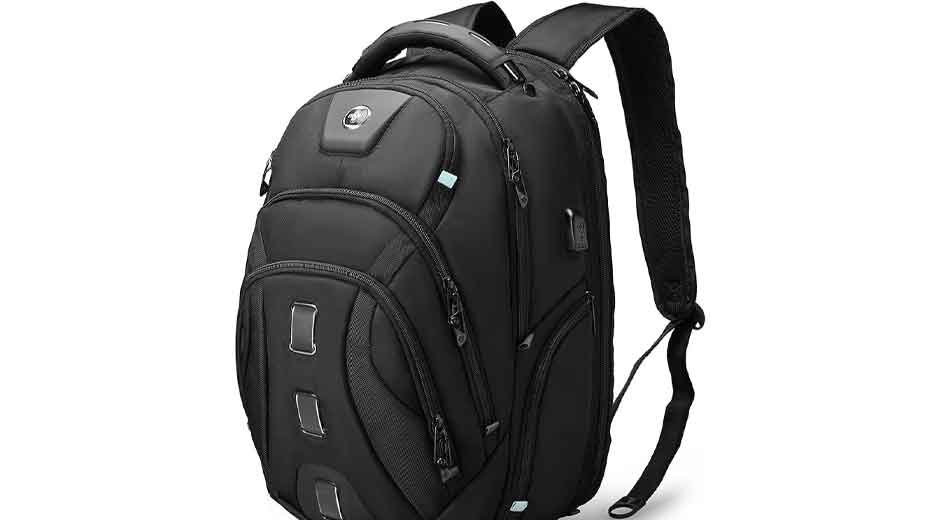
Travel today is different. You still pack clothes, toiletries, and documents, but there is another layer that matters just as much. Your digital backpack. It holds the tools that protect your data, keep you connected, and help you move confidently through a connected world.
Ignoring digital preparation can turn a smooth trip into a stressful one. Lost data. Hacked accounts. Blocked access. Small oversights can cause big problems. Planning ahead makes all the difference.
This guide breaks down the essential digital items every traveler should carry, and how to use them wisely.
Why Digital Safety Matters More Than Ever
Modern travel depends on technology. Boarding passes live on phones. Payments happen through apps. Navigation, bookings, and communication all rely on internet access.
At the same time, risks have increased. Public Wi-Fi is everywhere. So are data breaches and surveillance. Travelers are often more vulnerable because they use unfamiliar networks and devices.
According to IBM’s 2023 Cost of a Data Breach Report, the average cost of a data breach reached $4.45 million globally, the highest figure recorded to date. While that figure focuses on organizations, individuals feel the impact through identity theft and financial loss.
Preparation reduces exposure.
Secure Connectivity Is the Foundation
Internet access is essential, but not all connections are safe.
Public Wi-Fi in airports, hotels, and cafés is convenient but risky. These networks are often unsecured, making it easier for attackers to intercept data.
A trusted VPN adds a layer of protection by encrypting your connection. This matters even more in countries with restricted internet access. Many travelers research tools like ExpressVPN China before arrival to ensure they can access essential services safely.
Secure connectivity protects logins, messages, and financial information. It also provides peace of mind.
Device Hygiene Starts Before You Leave
Your devices should be travel-ready before you pack them.
Update operating systems and apps. Install security patches. Remove unused software. These steps reduce vulnerabilities.
Enable device encryption and strong passcodes. Biometric access helps, but a solid backup passcode matters too.
Consider backing up important data before departure. Cloud backups protect against loss, theft, or damage.
Preparation saves time and stress later.
Password Management Reduces Risk
Travel increases account usage. Email. Banking. Booking platforms. Social media.
Reusing passwords increases risk. A password manager helps generate and store strong, unique passwords. It also reduces the temptation to use simple logins while on the move.
Two-factor authentication adds another layer. Even if a password is compromised, access remains blocked.
Security should feel seamless, not burdensome.
Payment Tools Need Extra Attention
Digital payments are convenient, but they require caution.
Notify banks before international travel to avoid card blocks. Use virtual cards where possible. Avoid entering payment details on public networks.
Mobile wallets offer added security because they do not expose actual card numbers. They also reduce the need to carry multiple physical cards.
Balance convenience with control.
Cloud Storage Keeps Documents Accessible
Travel documents should exist in more than one place.
Store copies of passports, visas, insurance, and itineraries in secure cloud storage. Access them from any device if needed.
Offline access matters too. Download key documents in case connectivity drops.
Redundancy prevents small issues from becoming emergencies.
Smart Use of Social Media While Traveling
Sharing experiences is part of modern travel, but timing matters.
Posting in real time can expose your location. It can also signal that your home is empty.
Consider sharing highlights after you move on. Keep privacy settings updated. Be selective about what you post publicly.
Digital awareness protects both your trip and your home.
Digital Memories Deserve Thoughtful Care
Travel creates thousands of photos. Most stay buried in cloud folders.
Curating memories matters. Selecting meaningful images. Telling a story. Preserving experiences beyond screens.
Some travelers turn their favorite moments into physical keepsakes using a photo book maker. Tangible memories offer a different kind of connection. They last without batteries or updates.
Digital tools capture the moment. Thoughtful curation keeps it alive.
Local Regulations and Digital Awareness
Different countries handle data and internet access differently.
Some restrict websites or apps. Others monitor online activity more closely. Research local digital norms before arrival.
Knowing what to expect helps you prepare legally and ethically. It also avoids frustration.
Respect local laws while protecting your privacy.
Battery and Power Planning
A digital backpack fails if devices run out of power.
Carry a reliable power bank. Bring the correct adapters. Know voltage requirements.
Battery anxiety disrupts travel. Planning prevents it.
Emergency Digital Preparedness
Emergencies happen. Phones get lost. Accounts get locked.
Write down important contact numbers. Store them offline. Know how to access backups quickly.
Preparedness turns chaos into manageable inconvenience.
Balancing Convenience and Caution
The goal is not paranoia. It is balance.
Use technology to enhance travel, not complicate it. Stay aware without becoming anxious. Build habits that travel with you naturally.
Digital safety works best when it fits into routine.
Final Thoughts
The digital backpack is now as important as the physical one. It protects your data, your finances, and your peace of mind.
Secure connectivity, strong passwords, thoughtful sharing, and proper backups form the foundation. Add power planning and digital awareness, and you travel smarter.
In a connected world, preparation is freedom. When your digital tools work quietly in the background, you are free to focus on what matters most. The experience itself.